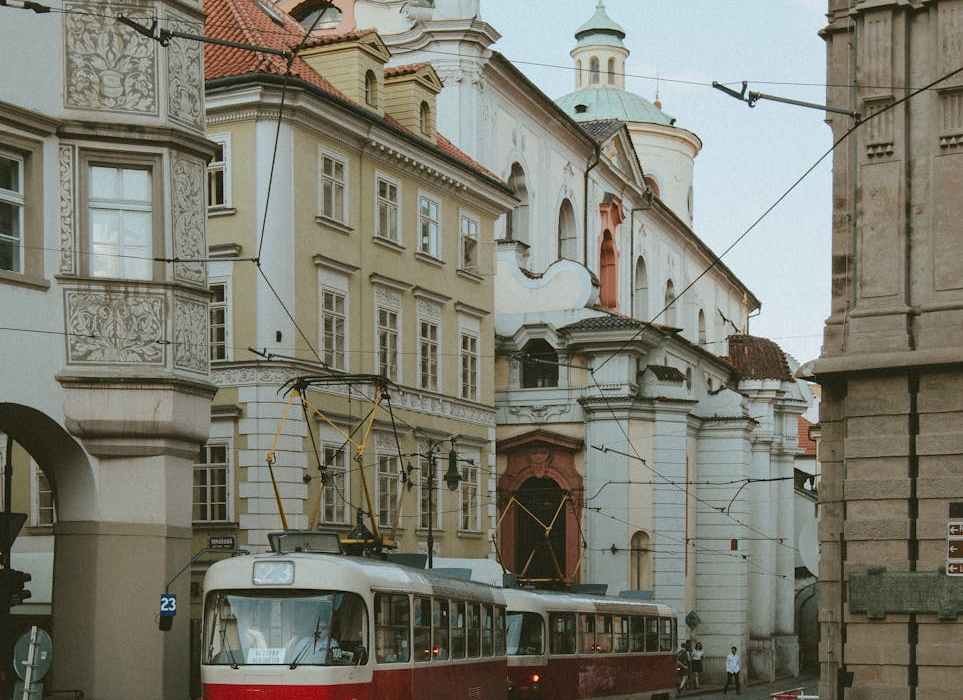
The Scamp in Prague, Czech Republic

One of my favourite things to do when I visit any new country is visit the Jewish Quarter.

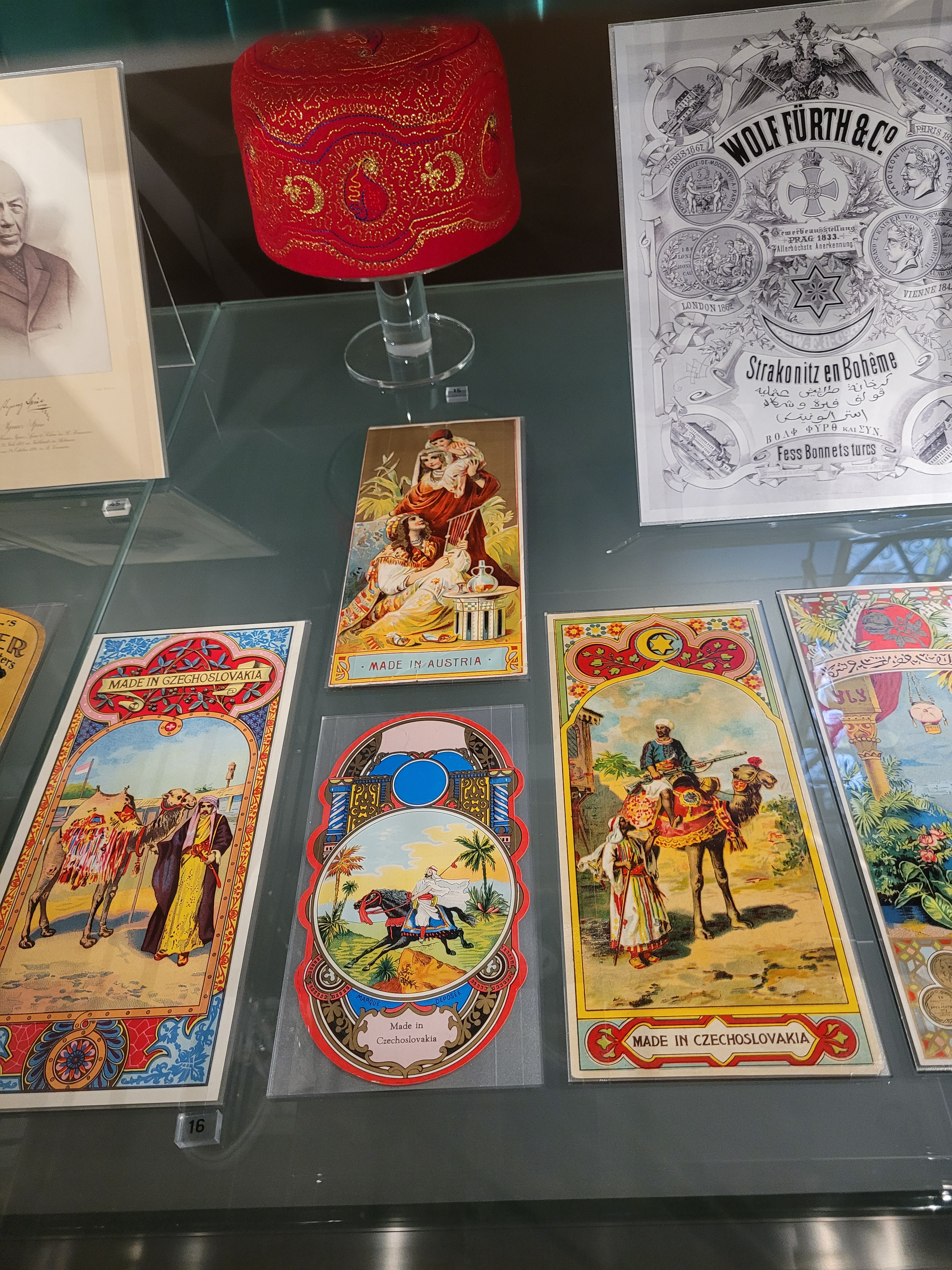
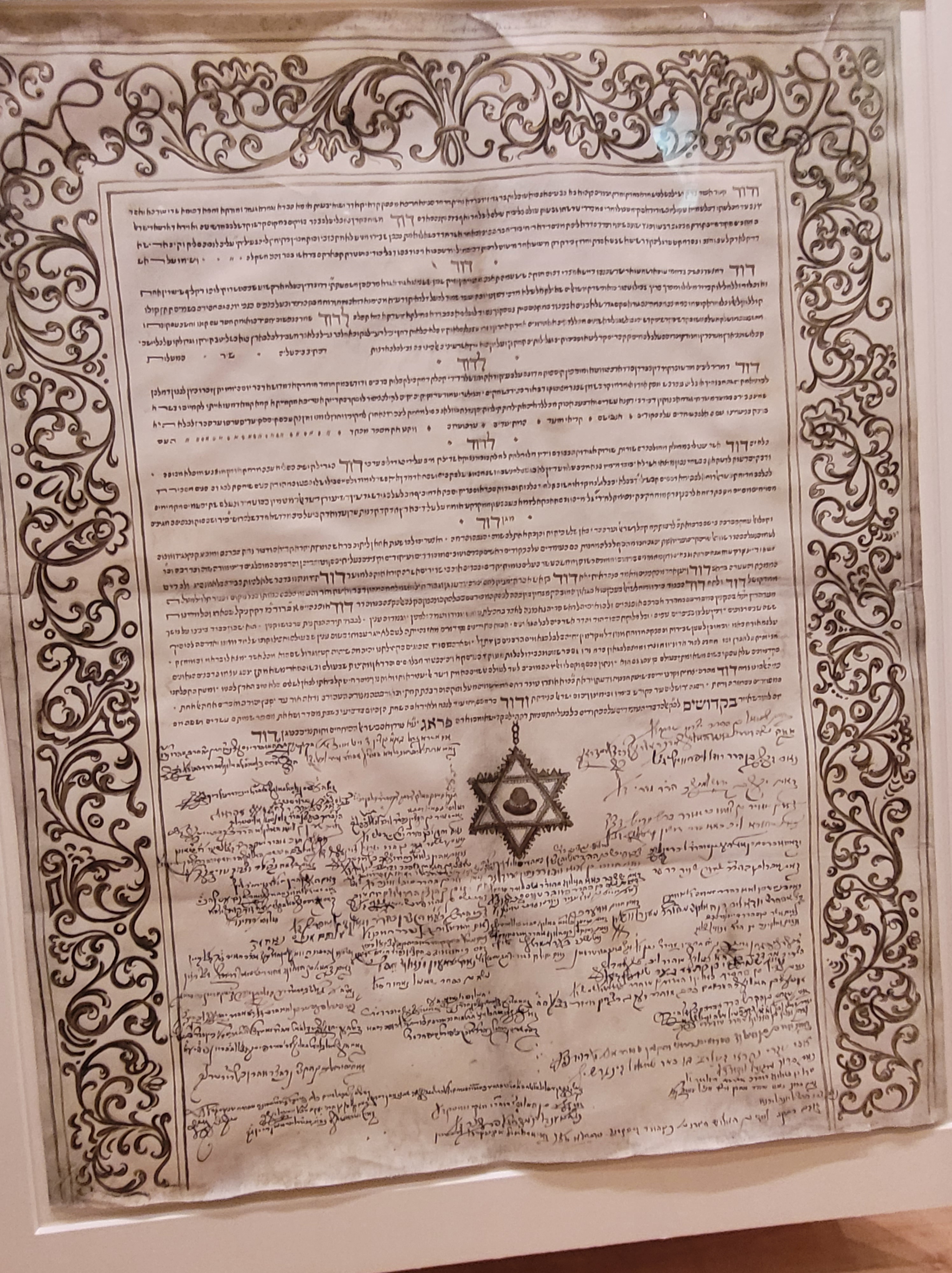
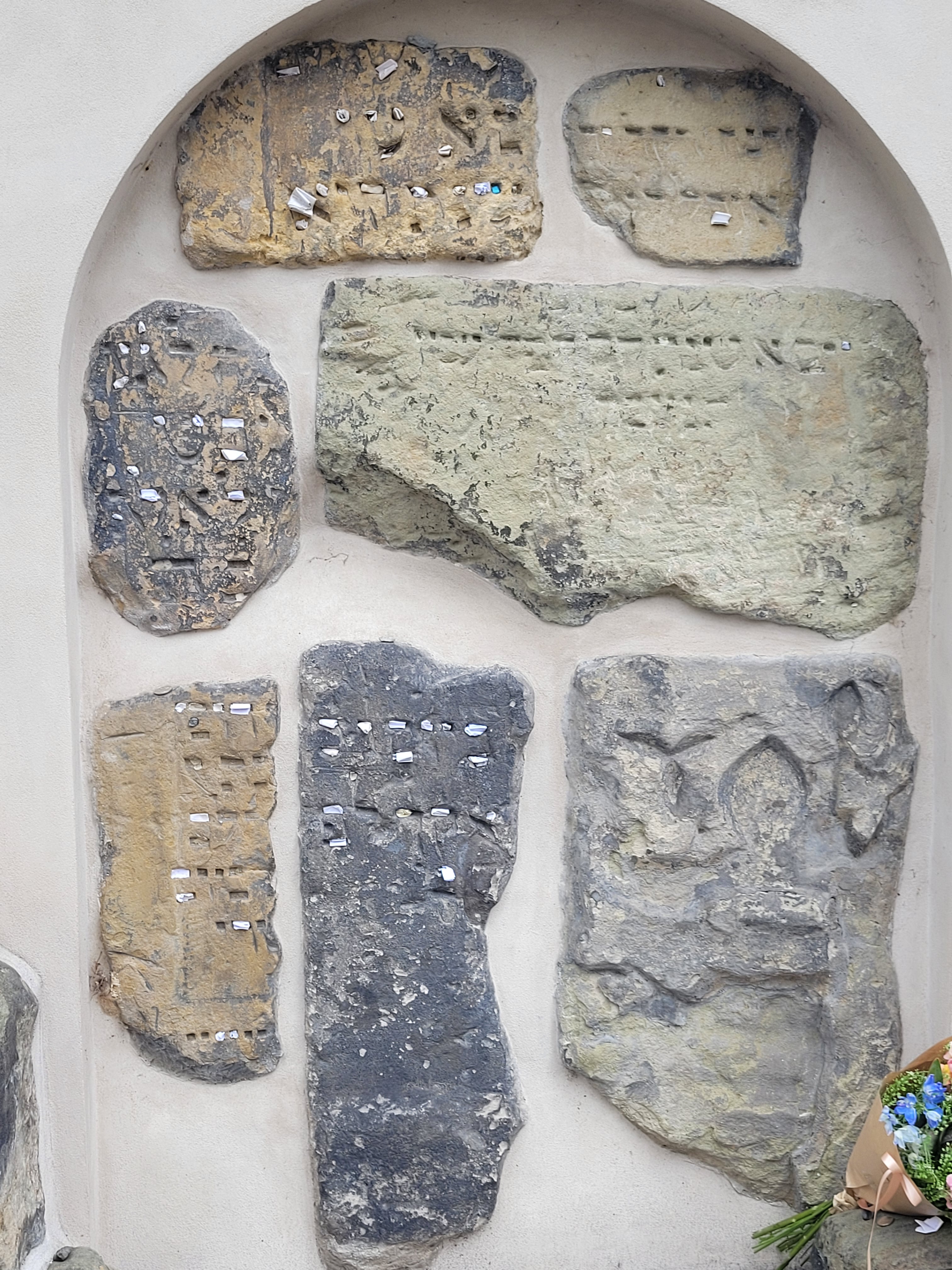
Prague has a rich history of Jewish culture and a really nice Jewish Quarter to visit. I spent the entire day visiting the different Synagogues. Each one comes with its own unique history and stunning architecture. The quarter has been declared a UNESCO World Heritage Site since 1992, and is home to one of the oldest operating temples in Europe. I spent the day just enjoying the architecture and although I have notes about all the facts for each one, I have no idea where I put them. One day I’ll come back to this if I ever find those notes.

The first on the list was the Old/New Synagogue. It was built in 1270 and according to prague.eu/en/objevujte/old-new-synagogue-staronova-synagoga:

Legend says that the ancestors of the Prague Jews built the Old New Synagogue as long as two thousand years ago, after the destruction of the so called Second Temple in Jerusalem (which happened in the year 70 A.D.) Hewn blocks from the shattered Jerusalem sanctuary were brought to Prague by heavenly angels, who built a beautiful chapel here. When the Messiah comes to gather the children of Israel, the angels will bring the blocks back to Jerusalem to build a new Jerusalem sanctuary, the third already.

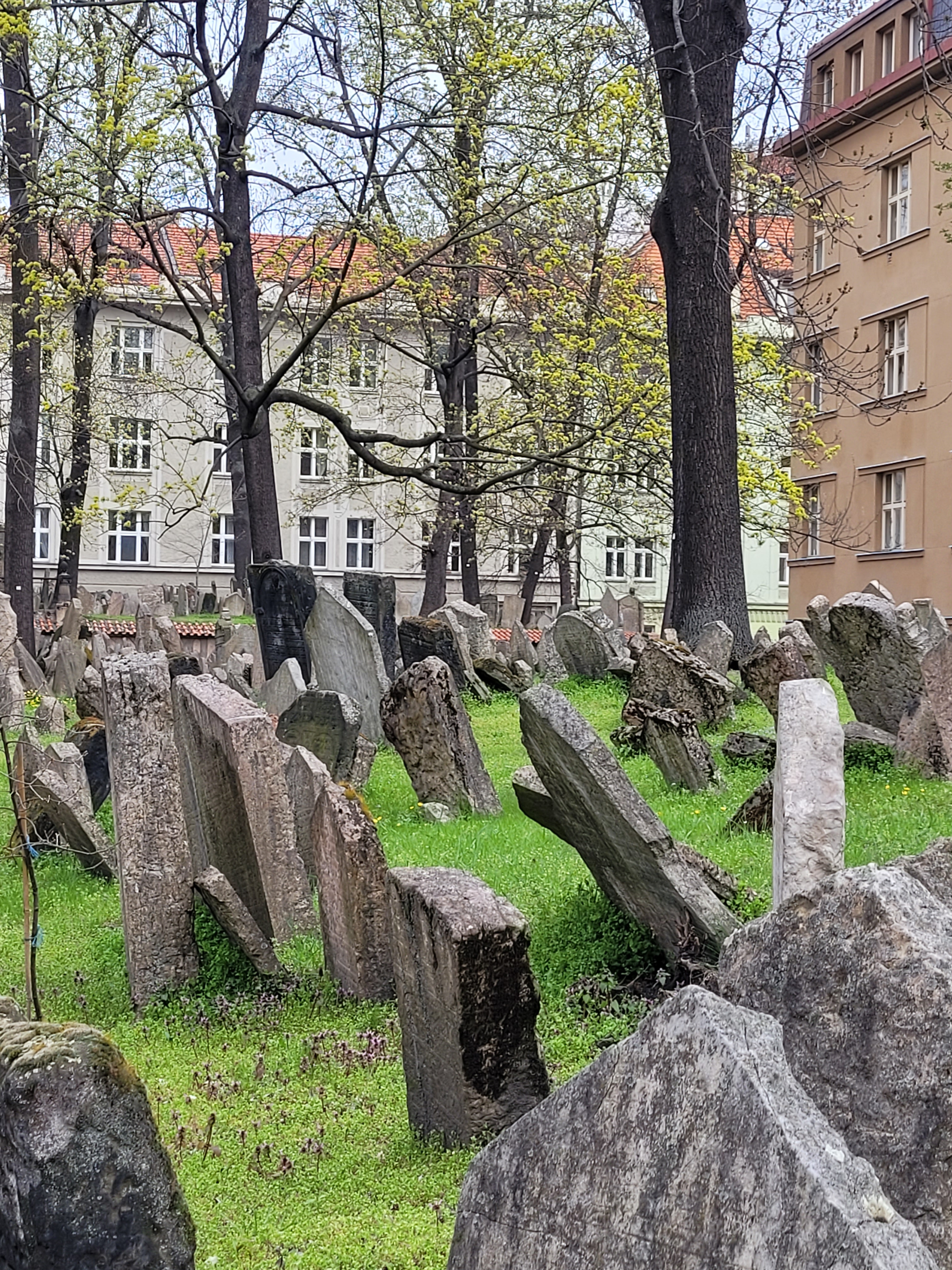
The next Synagogue I visited was the Pinkas Synagogue. It was built in 1479 and is the entrance to the cemetery. This Synagogue has been turned into a memorial for the 77,297 Jews who died in the Holocaust. The names of all the victims cover the walls of the temple as a reminder that their memory will always be a blessing.

I continued the tour and wandered to the Maisel Synagogue. This one was built in the 16th century. It is now a museum and collection of all things Jewish culture.

The next on the list was the Klausen Synagogue, which is the largest of the collection in the quarter. It was built in 1694, and focused on Jewish cultures and traditions.

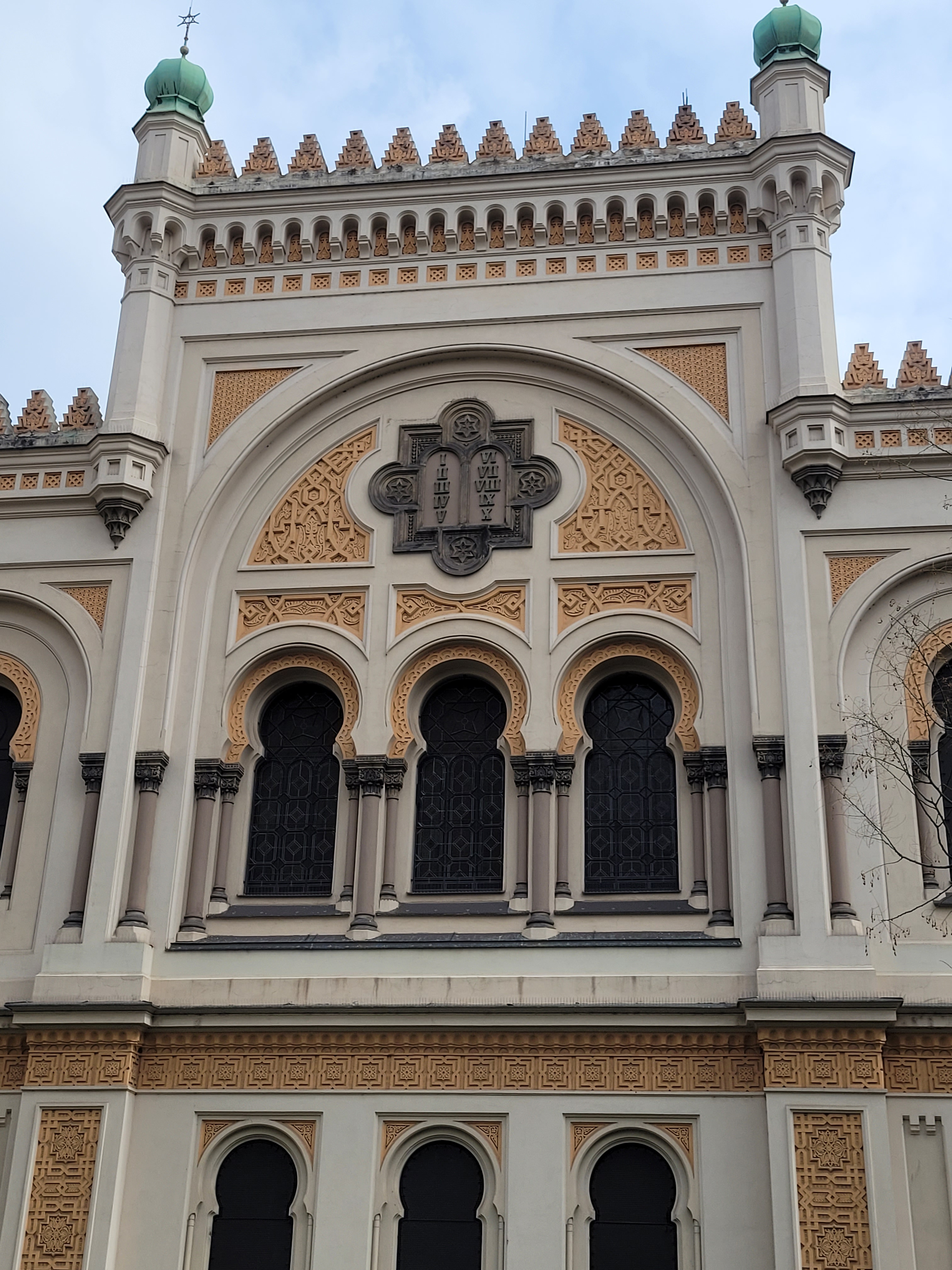
I followed this by a walk to the Spanish Synagogue, which was built in 1868 and looks a lot like the Alhambra in Spain.

I enjoyed the tour of the quarter and spending some time with the culture. It was nice to see people actually taking in all of the names of the people who died and seeing how important the culture is to the city.

It was a great way to end the trip. I highly recommend that people visit Prague. The food is good, the people are lovely and the city is easy to navigate with no shortage of history.

The Scamp in Siem Reap, Cambodia

While my time in Vietnam was short, my time in Cambodia was shorter. On December 26th I took a short flight from Ho Chi Minh City to Siem Reap.

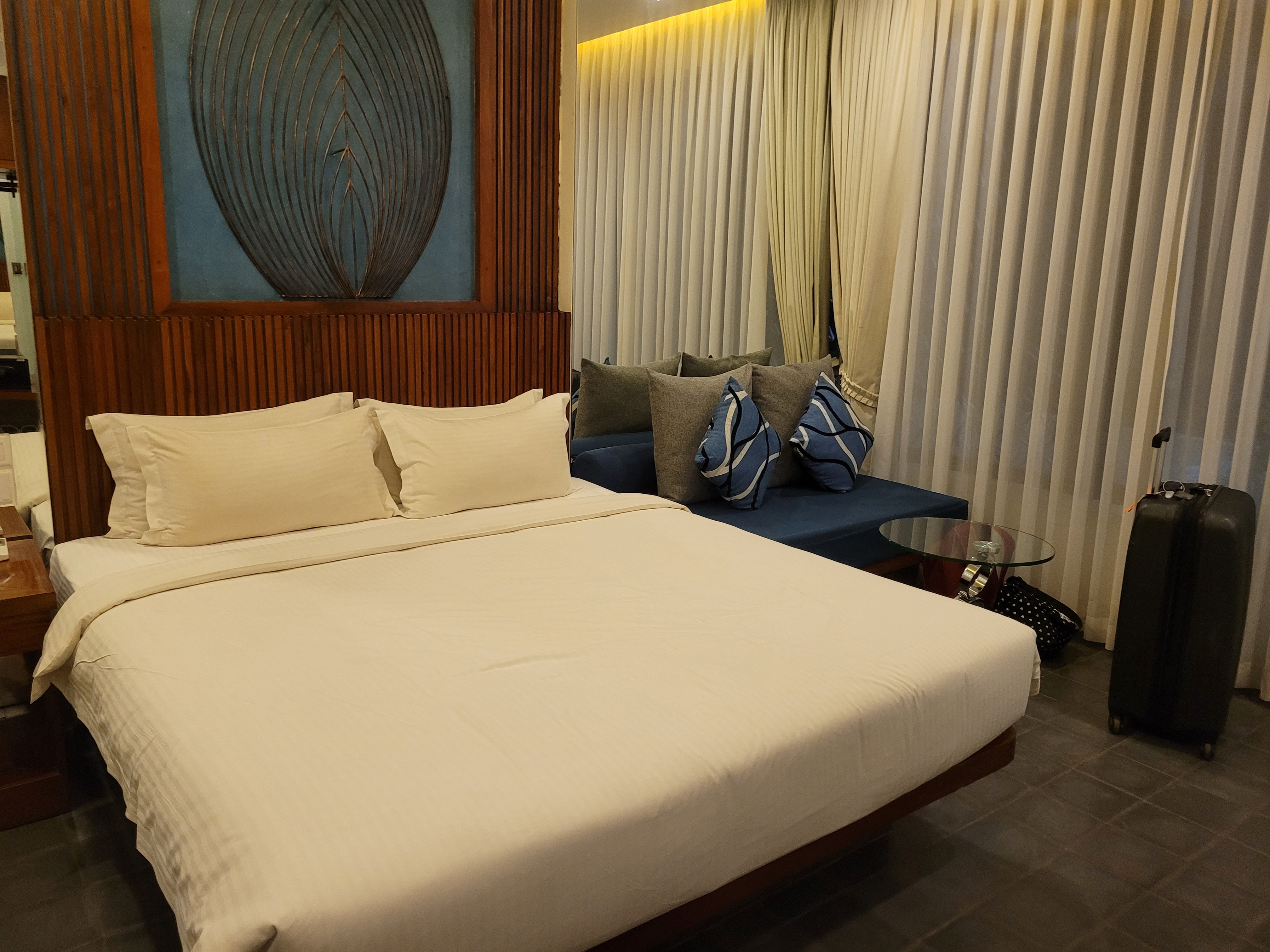
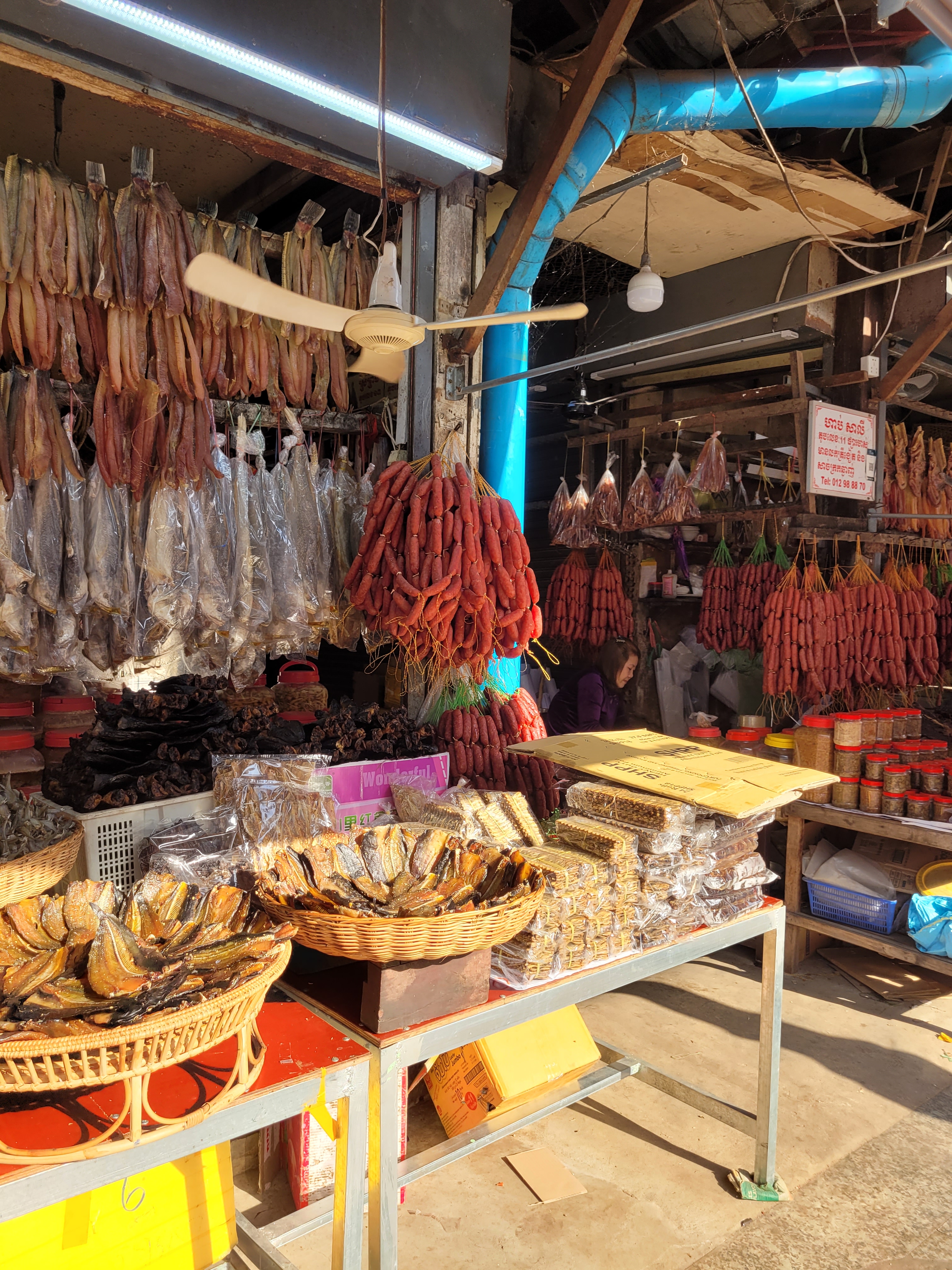
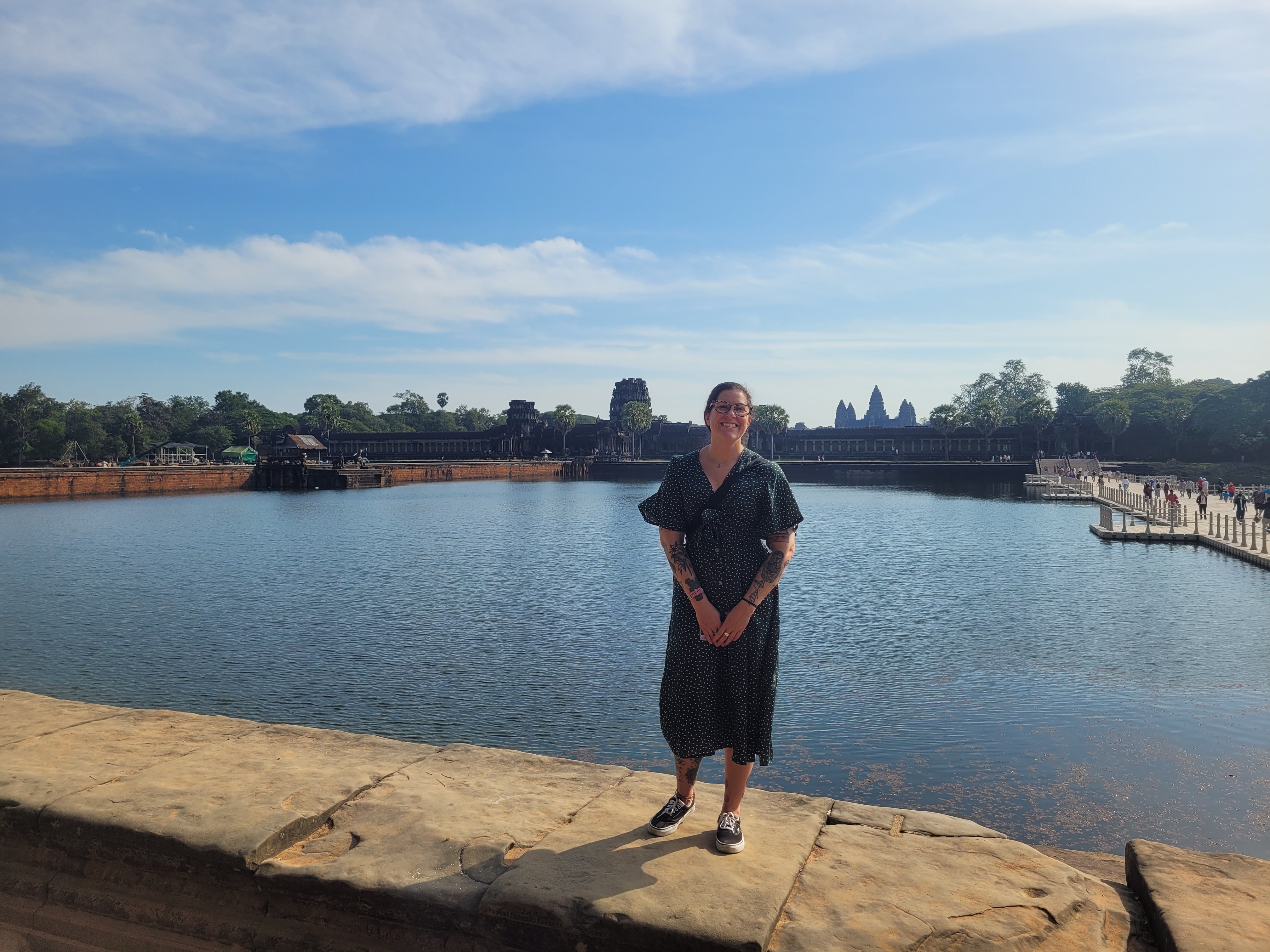
Siem Reap is the second largest city in Cambodia and is known for its proximity to Angkor Wat. I got there in the afternoon and was greeted at the airport by my private guide and driver. They took me to the Hari Residence, a luxury spa and resort just a short walk from the main market. I spent some time relaxing by the pool and wandered to the market. In true Kim fashion, I got a bit lost on the way to the market, but it let me see a bit of the city that was off the tourist path.

The hotel room was super luxurious and had the best bathtub I’ve ever seen. The room service was amazing and the food was perfection. Cambodia was the part of the trip that I was most looking forward to. I really wanted to visit Angkor Wat, and when I was looking on Tour Radar for trips to this part of the world, the visit to Angkor Wat was part of what sold me on the booking.

After the best bath and a good night’s sleep in a massive comfy bed, my guide picked me up for a day at the Angkor complex. The day started off a bit rocky because my phone was not fully charged, which meant that my phone and my mini charger were not fully charged. I was a bit panicked that I wouldn’t be able to get as many photos as I wanted, but by some miracle, my phone lasted the whole day. And what a day it was.

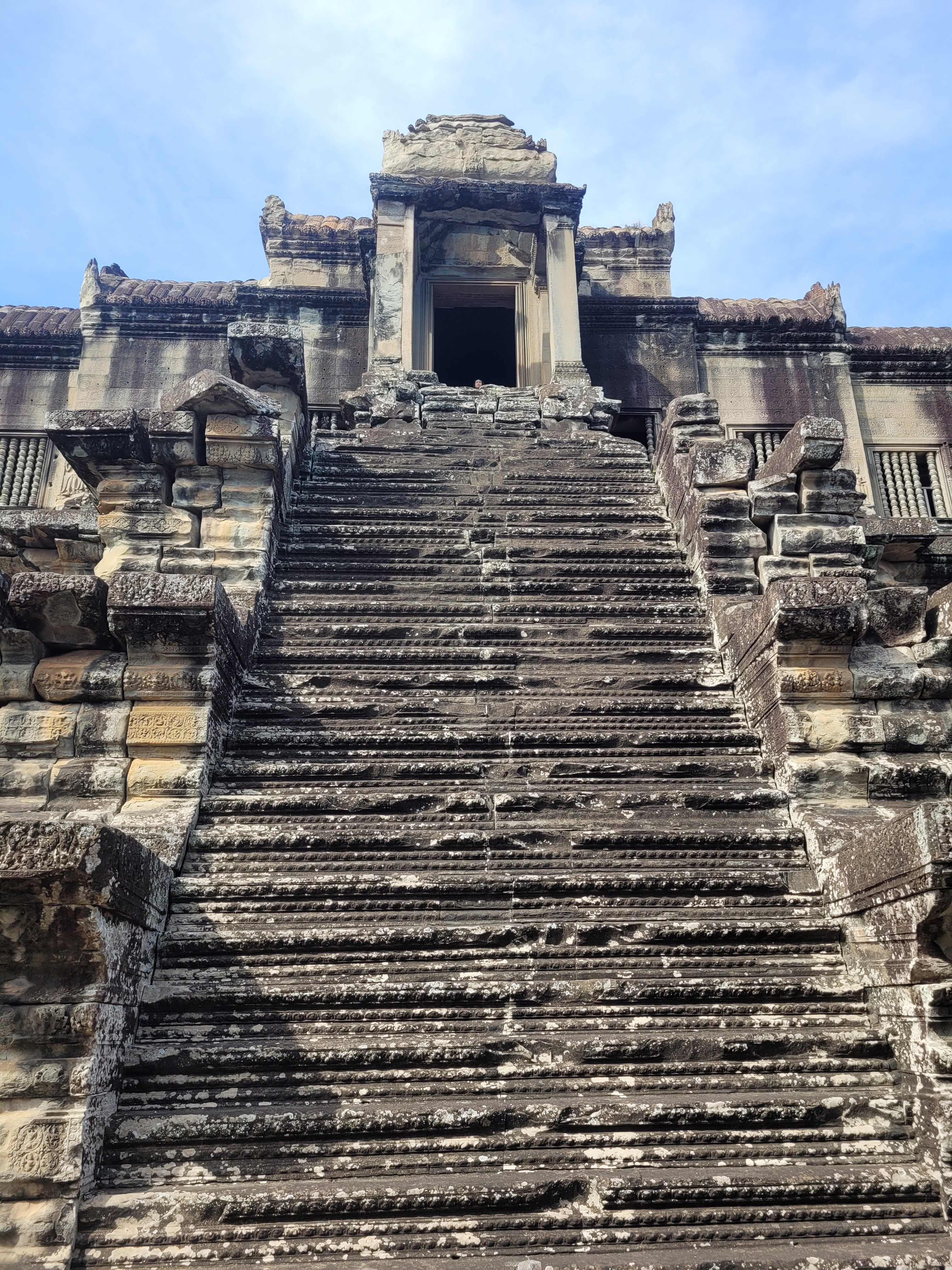
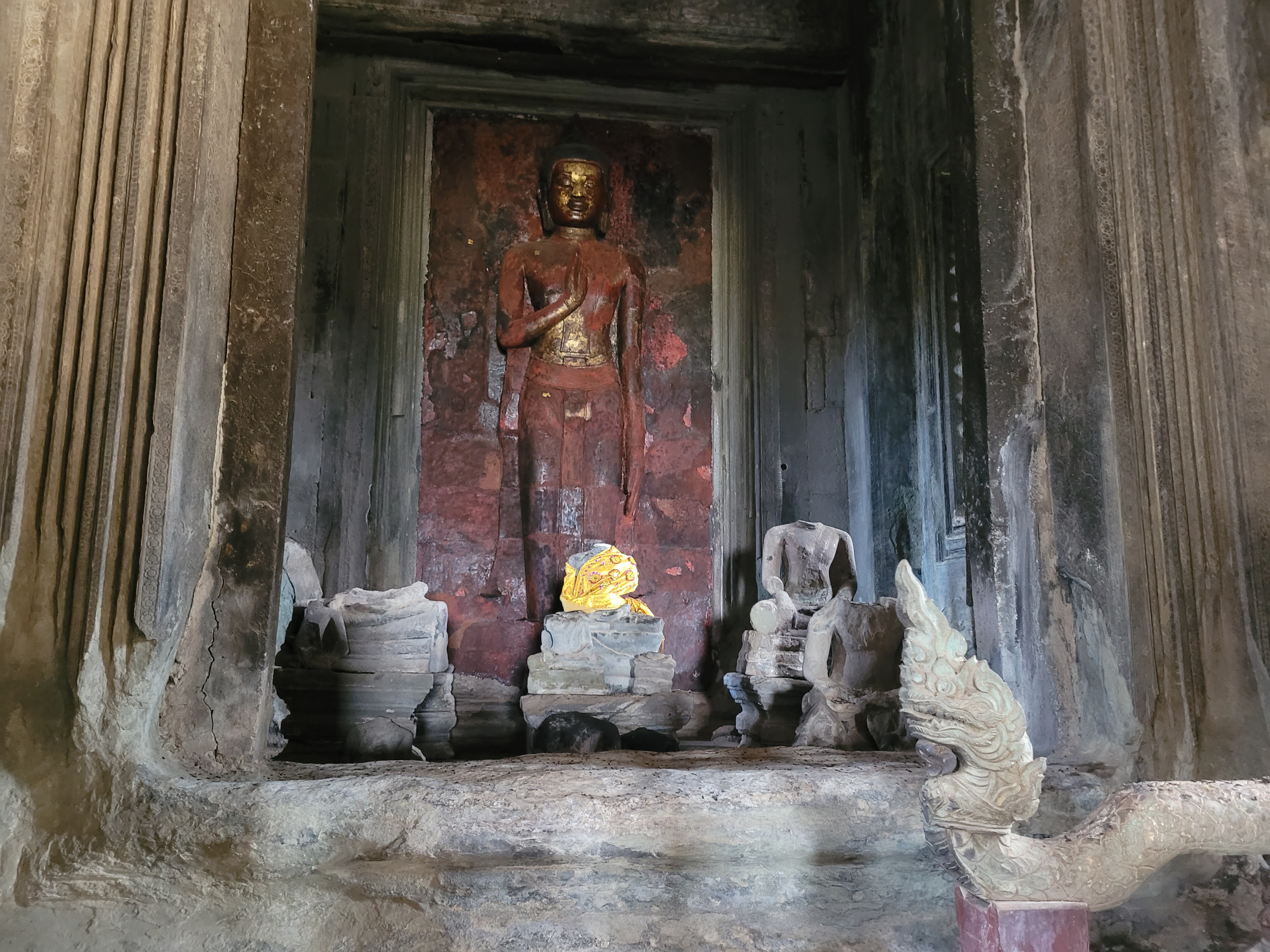
Angkor Wat is a Hindu-Buddist temple first built in 1150 and sits on over 400 acres. It is considered the largest religious structure in the world by the Guinness Book of World Records, and is on the official flag of Cambodia. The temple is a representation of Mount Meru, which is considered to be the centre of the spiritual and physical universe in the Hindu religion.

and I had a private tour. Yes, a private tour of the amazing structure. I wish I could remember the name of my guide. He was a soft-spoken man in his 40s who had been in the army. He was tall and had a weathered look about him, like he’d spent his life in the harsh sun. He talked to me the whole time we were in the temple and he was an endless font of knowledge. I was enthralled as we walked past the walls of stories etched into them. The etchings are beautiful and there are so many things to look at as you move through the galleries. I wish I had taken better notes and written down some of the things that my guide said, but because I was so absorbed in just being there, a Wikipedia explanation of the decoration will have to do.

Integrated with the architecture of the building, one of the causes for its fame is Angkor Wat’s extensive decoration, which predominantly takes the form of bas-relief friezes. The inner walls of the outer gallery bear a series of large-scale scenes mainly depicting episodes from the Hindu epics the Ramayana and the Mahabharata. Higham has called these “the greatest known linear arrangement of stone carving”.[71] From the north-west corner anti-clockwise, the western gallery shows the Battle of Lanka from the Ramayana, in which Rama defeats Ravana; and the Kurukshetra War from the Mahabharata, depicting the mutual annihilation of the Kaurava and Pandava armies. On the southern gallery, the only historical scene, a procession of Suryavarman II is depicted along with the 32 hells and 37 heavens of Hinduism.[72]

On the eastern gallery is one of the most celebrated scenes, the Churning of the Sea of Milk, showing 92 asuras and 88 devas using the serpent Vasuki to churn the sea of milk under Vishnu’s direction. Mannikka counts only 91 asuras and explains the asymmetrical numbers as representing the number of days from the winter solstice to the spring equinox, and from the equinox to the summer solstice.[73] It is followed by reliefs showing Vishnu defeating asuras, which was a 16th-century addition. The northern gallery shows Krishna’s victory over Bana.[74]

Angkor Wat is decorated with depictions of apsaras and devatas with more than 1,796 documented depictions of devatas in the research inventory.[75] The architects also used small apsara images (30–40 cm or 12–16 in) as decorative motifs on pillars and walls. They incorporated larger devata images (full-body portraits measuring approximately 95–110 cm or 37–43 in) more prominently at every level of the temple from the entry pavilion to the tops of the high towers. In 1927, Sappho Marchal published a study cataloging the remarkable diversity of their hair, headdresses, garments, stance, jewellery, and decorative flowers depicted in the reliefs, which Marchal concluded were based on actual practices of the Angkor period.[76]

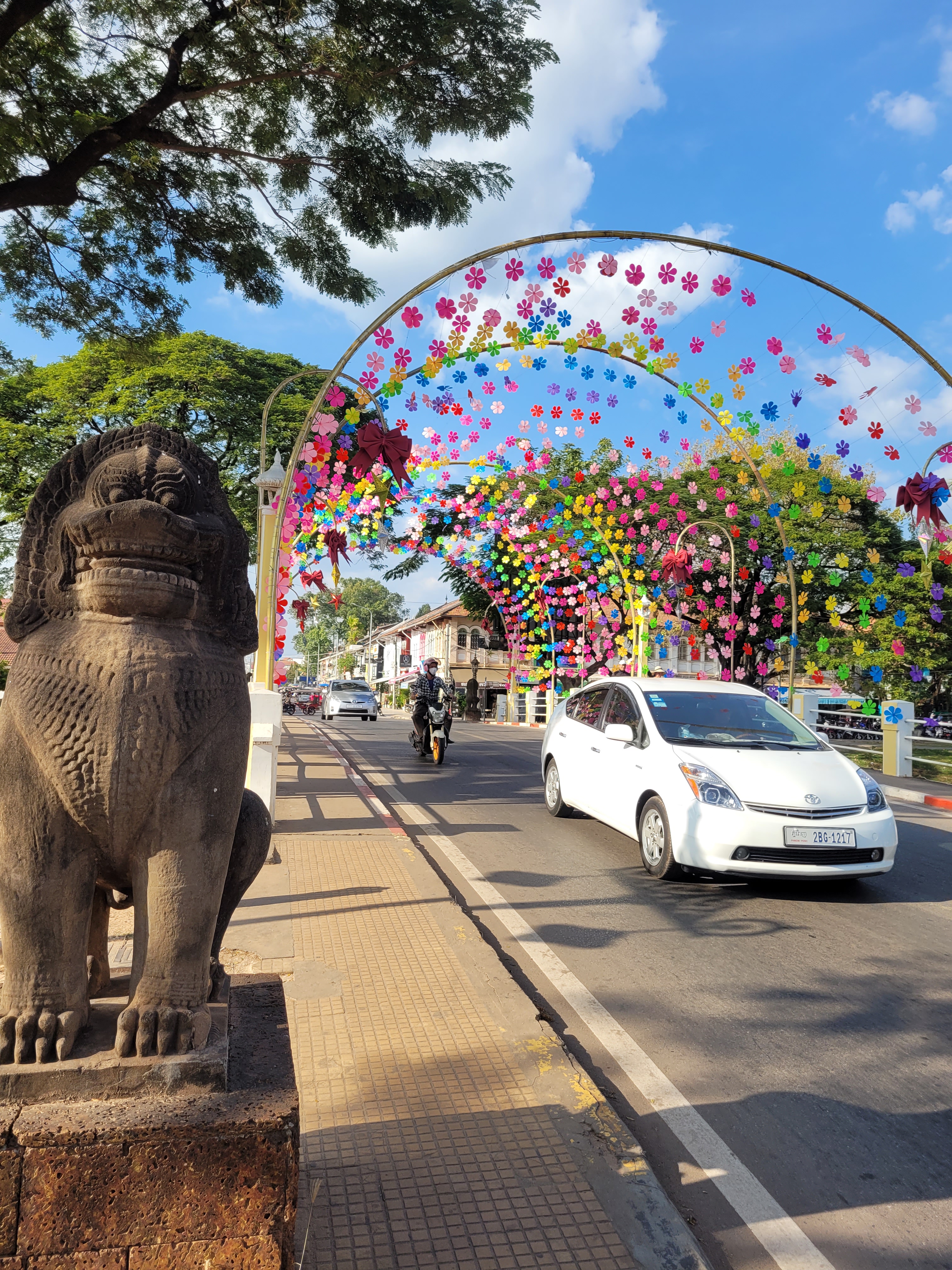
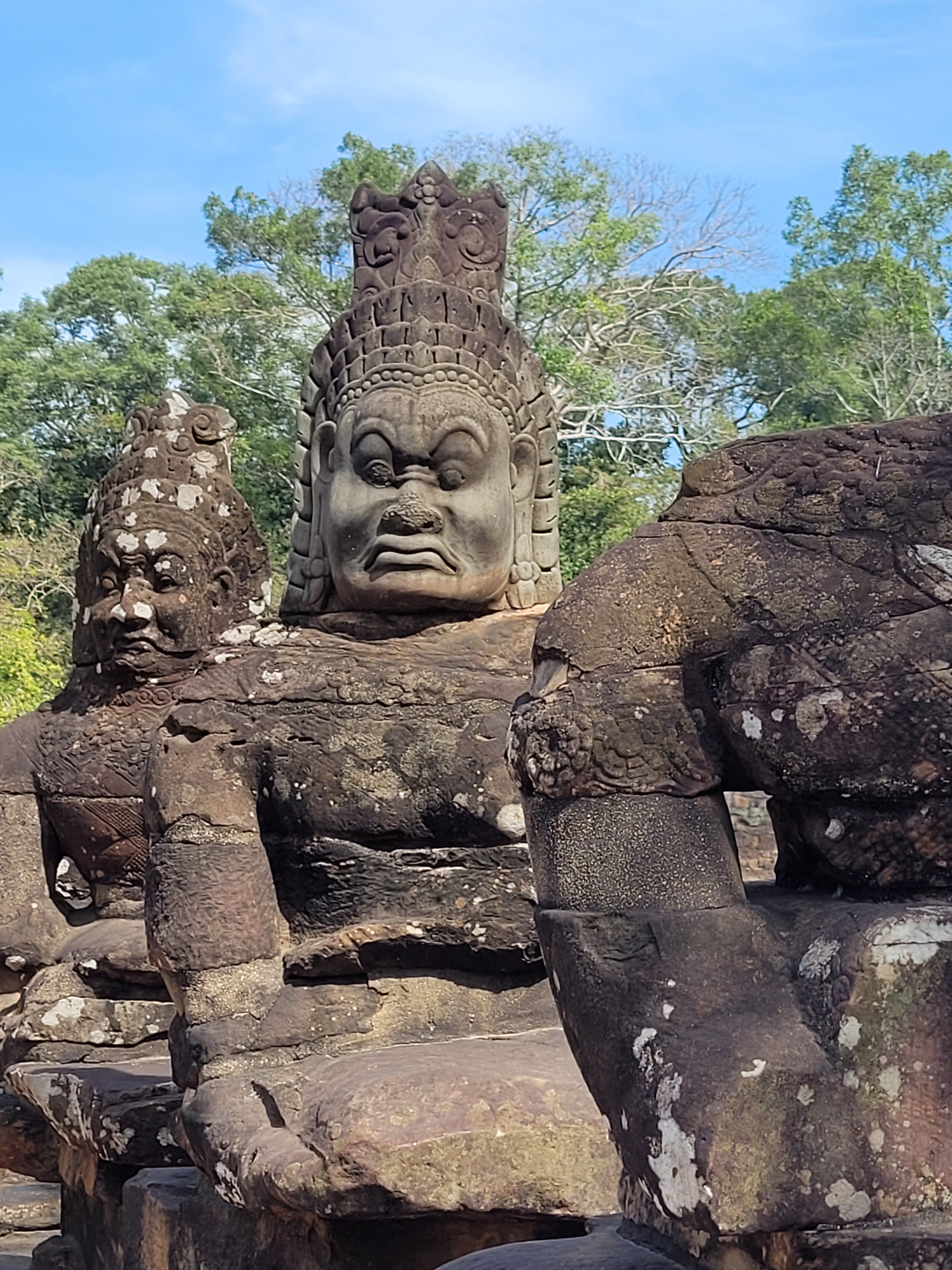
The next stop on the tour was Angkor Thom, which is famous for its series of colossal human faces carved in stone. The faces may be that of the king, or guards to protect the king, but it is a bit unclear. The street is lined with lions/warriors leading to the temples and they are really something to see up close.

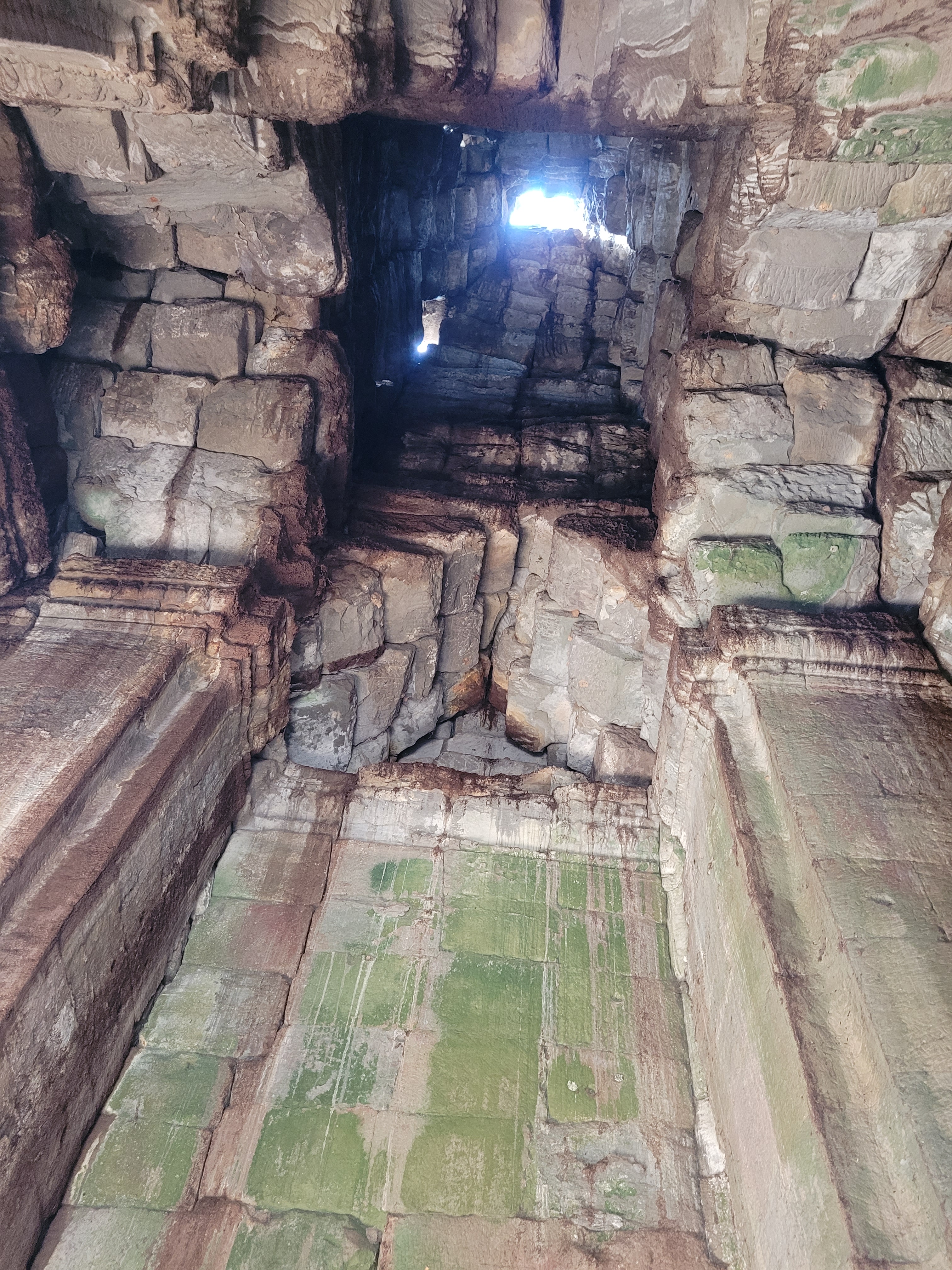
Little did I know that my guide saved the best for last. The jungle temple, or Beng Mealea is a hidden, lesser-known temple that has become part of the earth again. It was by far the best place I visited on this entire trip (minus the elephant sanctuary in Thailand which I’ll share later). This BBC travel article discusses the history of the temple.

For me, it was amazing to hear the birds and to walk among the ruins. My guide took lots of pictures of me and let me wander around on my own. I climbed to the top of one of the temples and tried not to die in the heat. By the end of the day I was a sweaty noodle and the happiest little scamp.

For those of you who are Tomb Raider fans, you will recognise this temple from the 2001 Angelina Jolie movie. My guide rolled his eyes when he told me that, which made me laugh for some reason. Clearly someone thought that fact should be included in the tour, and I am sure that there are people who enjoy that….I just wasn’t one of them.

I ended the day by the pool at the hotel and looked through the hundreds of photos that I took of the temples. It was everything that I hoped it would be, and cannot recommend it enough for anyone who loves history and wants to see a true wonder of the world.

The Scamp in Israel Day 8

It seems strange to be writing about Israel when so many people in the world right now are calling for the destruction of the country. This week was Israel’s independence day, and all the articles that I saw in the UK were centred on the 76 years of Palistine’s occupation. It is hard living in a country that doesn’t respect Jewish people, and to see so many of the people around me spouting antisemitic rhetoric while protesting a ‘genocide’ as if they don’t understand what a war is. While I have a very complicated belief about the current war, I understand the history of the area and who has claimed the land at different stages of time.

But, that is not fun to think about, whereas my time in Israel and Palestine was fun. Day 8 found us in Bethlehem where we got to visit the Church of the Nativity. This is one of the oldest continuously run churches in the world. It is currently run by three different religious groups, Greek Orthodox, Catholics and Armenian Apostolic. You can see the influences of the different religions in the architecture and the way that the church is decorated. It is within this church that the spot where Jesus was born is marked with a 14-pointed silver star.

We then wandered through the city and did the stations of the cross, stopping at each site in the busy city streets. We ended at the Church of the Holy Sepulchre (which is called the Church of the Resurrection).

This was the last part of the tour, so my parents and I went back into the city for a final dinner together. I ended up having a very rushed goodbye with them at the airport and didn’t get to see them again for almost 10 months. It was worth spending time with them though and learning a lot more about the region. Israel is a place I would visit again, and Tel Aviv is a city that I could see myself living in. It makes me sad to think that some of these places have been destroyed because of the war or that some of the people that we met could be dead, or could have family who have died. I wonder what happened to our tour guide Rafe. He has such a love for Israel and had such a love for the fact that we were Jewish and he could show us our culture in a real and in-depth way.

It is one of the best vacations I have ever taken, and I hope to return to Israel one day.

The Scamp Goes on an Adventure: Day 3

I woke on day 3 feeling sore. I was not used to walking so much and not just being sat in front of a computer all day, and my poor feet were mad at me.

My first stop was at the Jewish Museum. I try and visit the Jewish quarter of every country that I visit, and the Jewish culture in Vienna is especially important as they were all but wiped out by the Nazis during WWII. The first museum houses the remains of the temple that was destroyed in 1421 and marks where the Jewish quarter used to be. At that time, Jewish people were rounded up and murdered, and their history and culture long buried.

The women’s section of the synagogue destroyed in 1421.

The museum also includes a look at the Jewish culture today and how people feel about living in Vienna. One of the exhibits was called The Vienna Rothschilds. A Thriller. According to the museum:

‘The exhibition presents the history of the Rothschild family in Vienna and Austria. Since the activities and accomplishments of the Viennese Rothschilds have faded from memory, it is important to call them to mind with this exhibition and to make their traces visible.

The rise of the Rothschild family began in the early 19th century with Mayer Amschel Rothschild, a Jew from a humble background in Frankfurt. He carved out a career through hard work and sent his five sons out into the world, one of them to Vienna: Salomon von Rothschild. As a banker to the Austrian State Chancellor Metternich, he quickly became one of Austria’s leading entrepreneurs. The name Rothschild served as a positive symbol for a Jewish success story, but also a negative cliché in antisemitic propaganda.

The story of the Rothschilds in Vienna and Austria reads in parts like a thriller. They had to assert themselves against competitors, became ensnarled in conflicts and were confronted with antisemitic stereotypes. But they repeatedly stood up for their oppressed and persecuted fellow believers and established numerous educational and charitable foundations for the general public.

In 1938, the Gestapo arrested Louis Rothschild and held him hostage for a year to extort the Rothschild’s entire fortune. After the end of the Second World War, a large part of their stolen property was restituted, but they had to forcibly “donate” important works to Austrian museums. The restitution proceedings have dragged on to this day. Yet the story of the Rothschilds in Austria continues.’

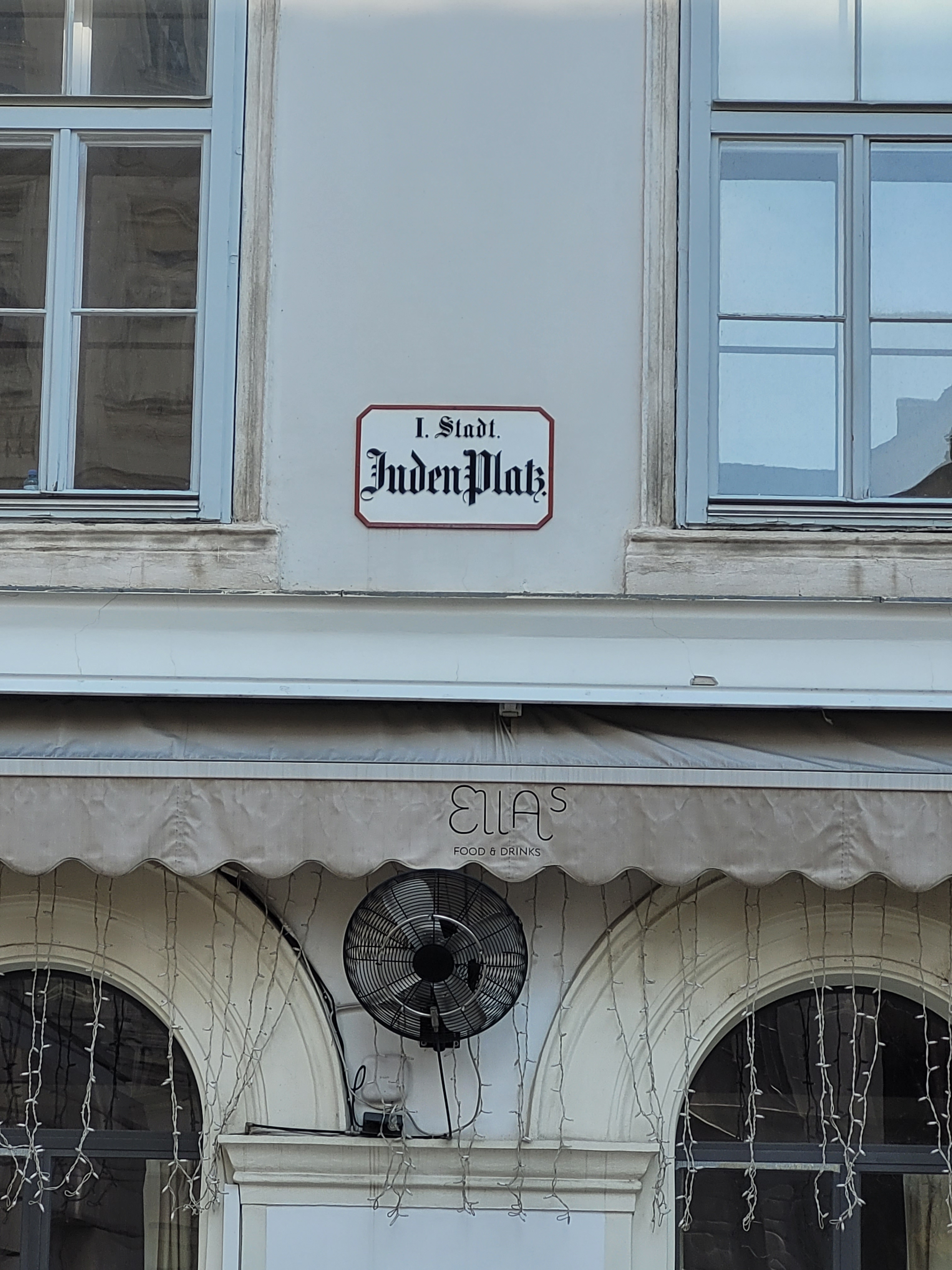
I’d never heard this story before, and it was ridiculous. Imagine being robbed and then robbed again under the guise of ‘donating’ to museums for the enjoyment of others. The way that Jewish people are treated in some countries is almost beyond comprehension. My next stop was at the Shoah Memorial. It is in the centre of the Judenplatz (‘Jews Square’). The memorial is beautiful and tragic at the same time. British artist Rachel Whiteread designed the memorial. Around the outside of the memorial are the places in Austria where the Nazis murdered Jews and the memorial itself looks like a large concrete cube, but if you look closely you will see ripples in the cube that look like books. There are 65,000 books, one that represents the story for each of the Jewish people who died in one of the camps.

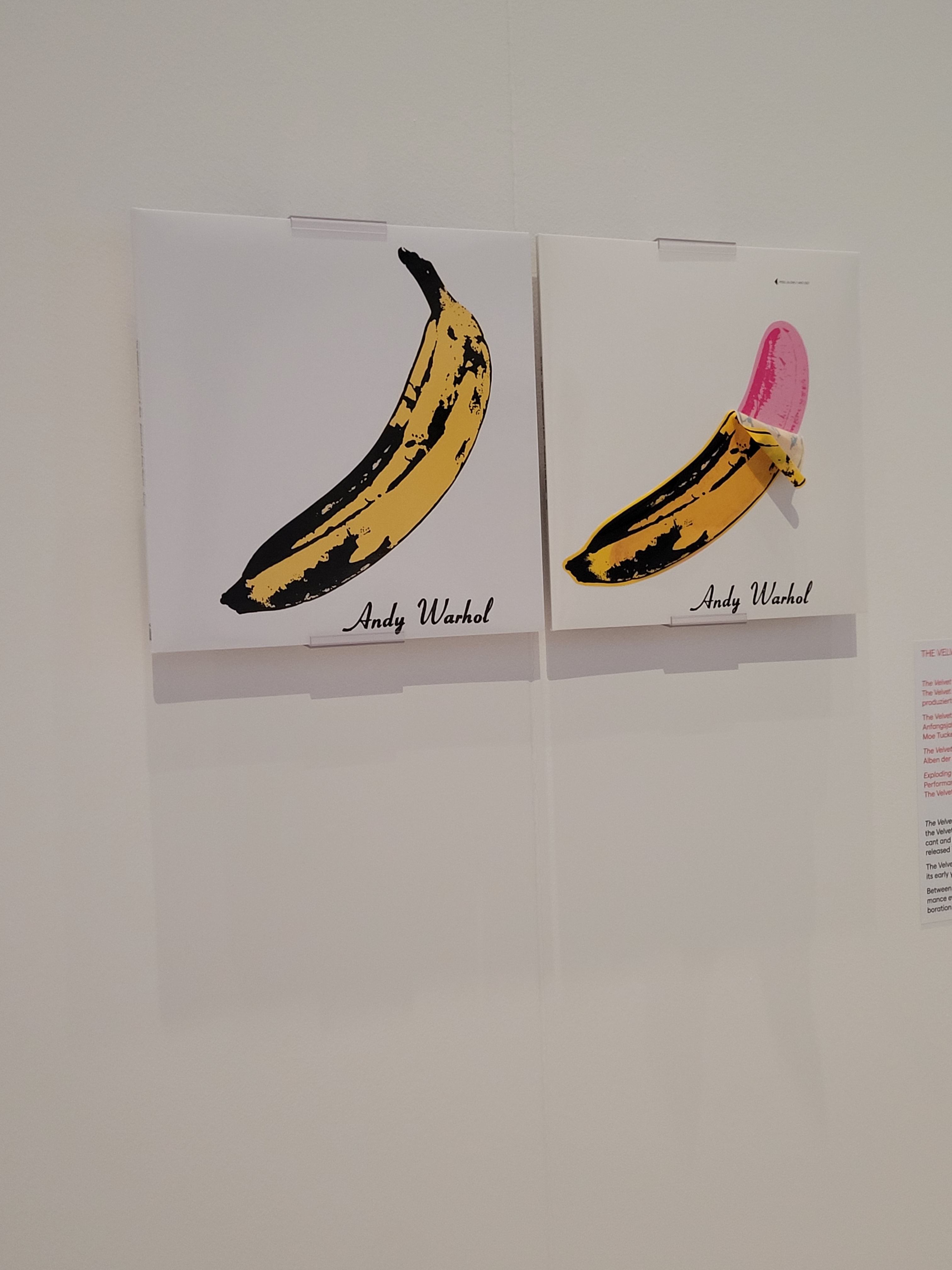
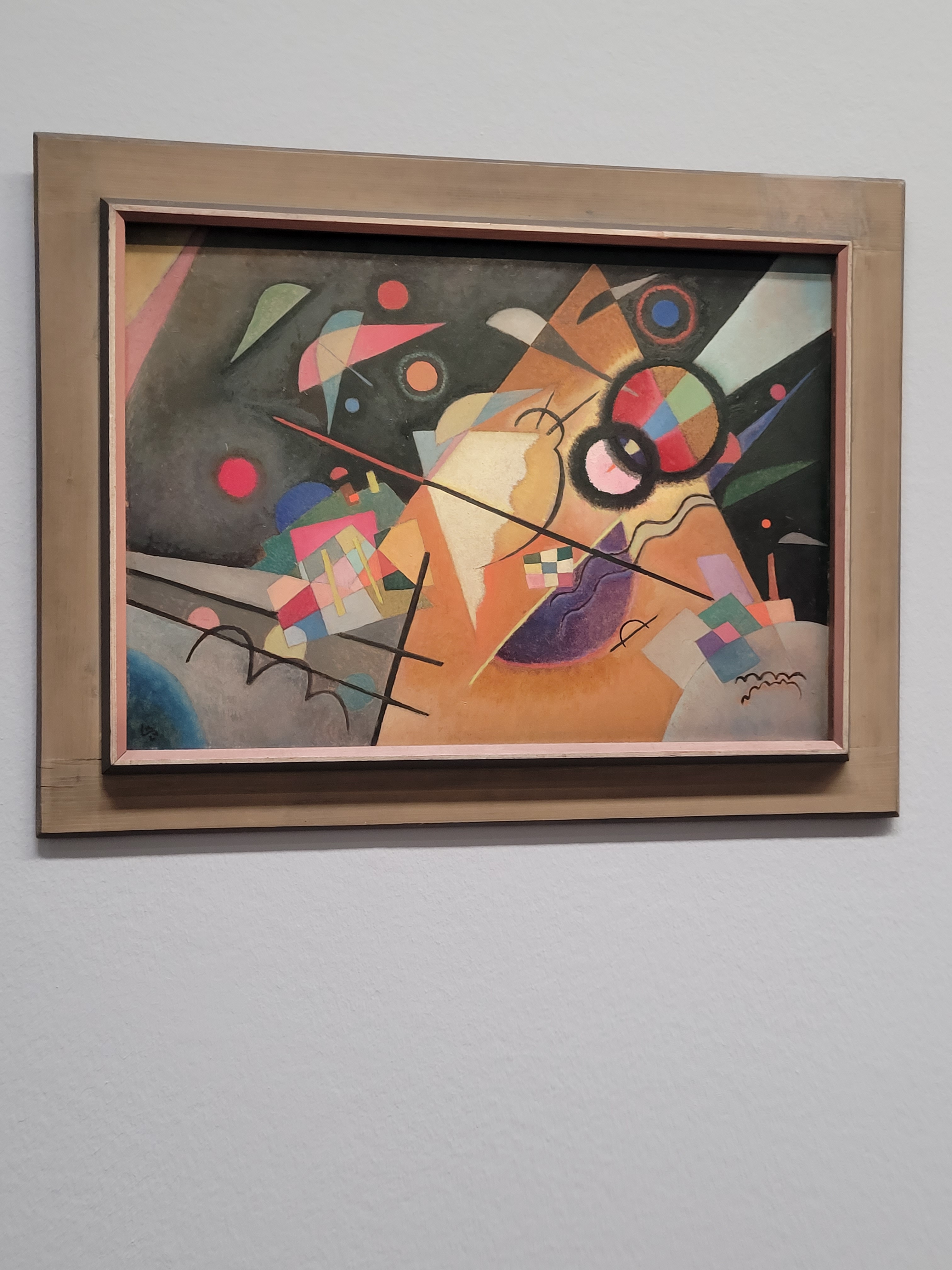
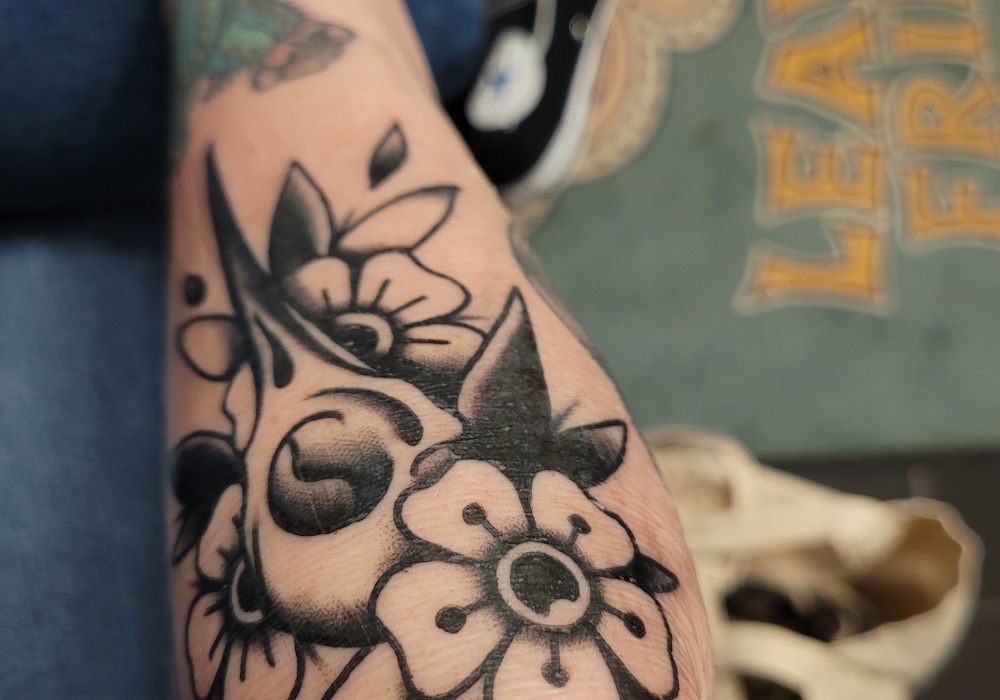
Once I had gotten my spiritual fulfilment, I walked to the Albertina for more art. I almost skipped this museum. I’m not sure what made me go in, but oh boy, it was one of the best parts of the trip. The Albertina holds amazing works by Monet, Picasso, Cézanne, Degas, Klimt, Kandinsky, Miro and Warhol. Basically all of the artists that I love. I had no idea that there were so many Warhols in Vienna, and even more shocked to see three Miros! He is my favourite artist. I have one of his paintings tattooed on me. This little unexpected surprise was amazing. I could have cried I was so happy.

I gave my poor feet a break and spent the rest of the day enjoying the funky hotel and eating cake. I really wanted to plan some day trips one to Czechia and one to Slovakia so I spent the evening trying to figure out if there was a way I could make it happen. I miss the pre-Covid days when it was just a matter of getting on a train or a bus. Czechia was unfortunately ruled out pretty quickly because of their Covid test rules, but I was able to figure out how to get to Bratislava quite easily. God love public transportation.

The Scamp Goes on an Adventure Day 2

I’m finding it difficult to find the time to write out all of the amazing things that I got to see in Vienna. Most of my energy went into applying for my own job and being sad about having stepped on a scale and seen how much I actually weigh.

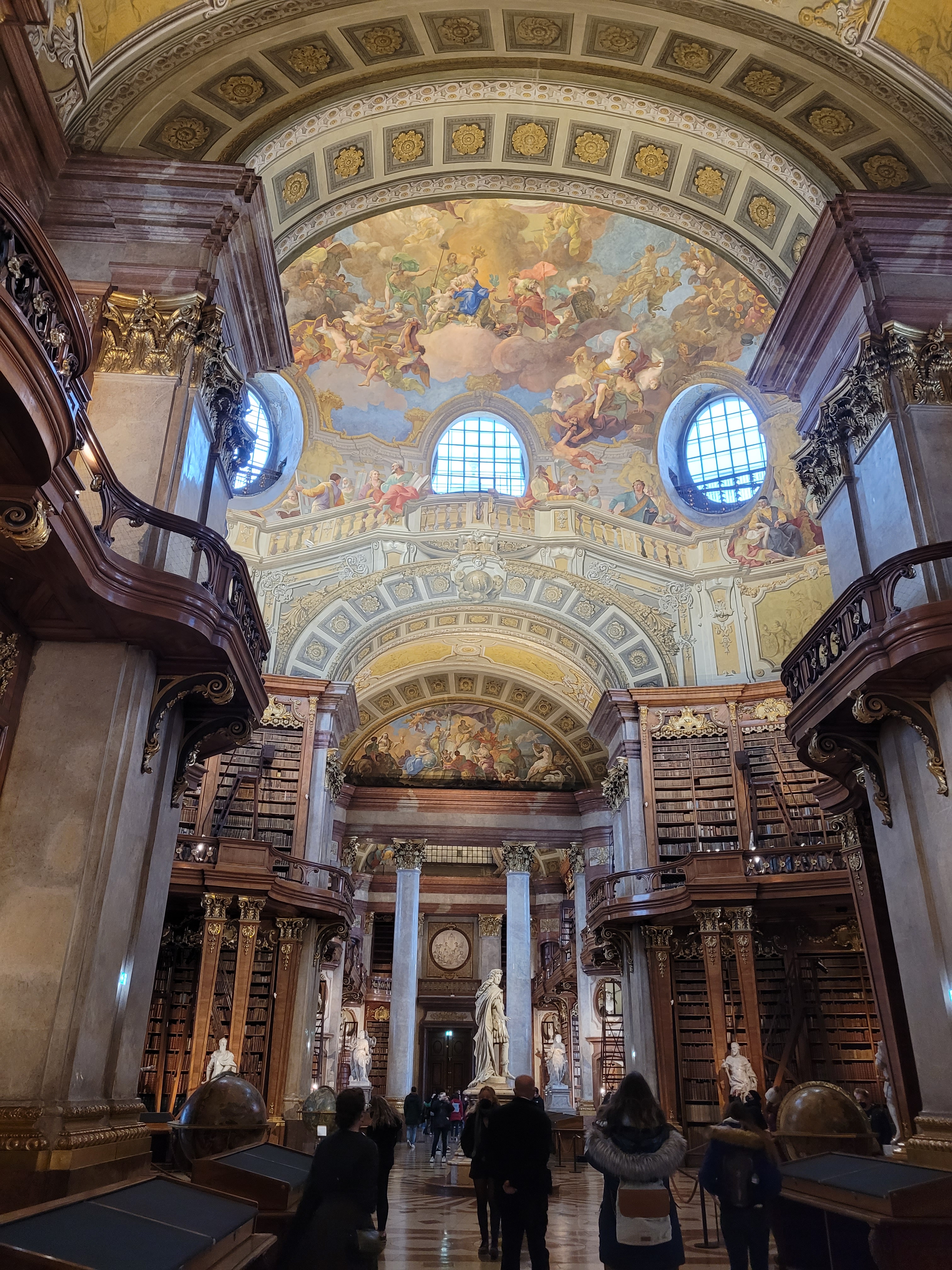
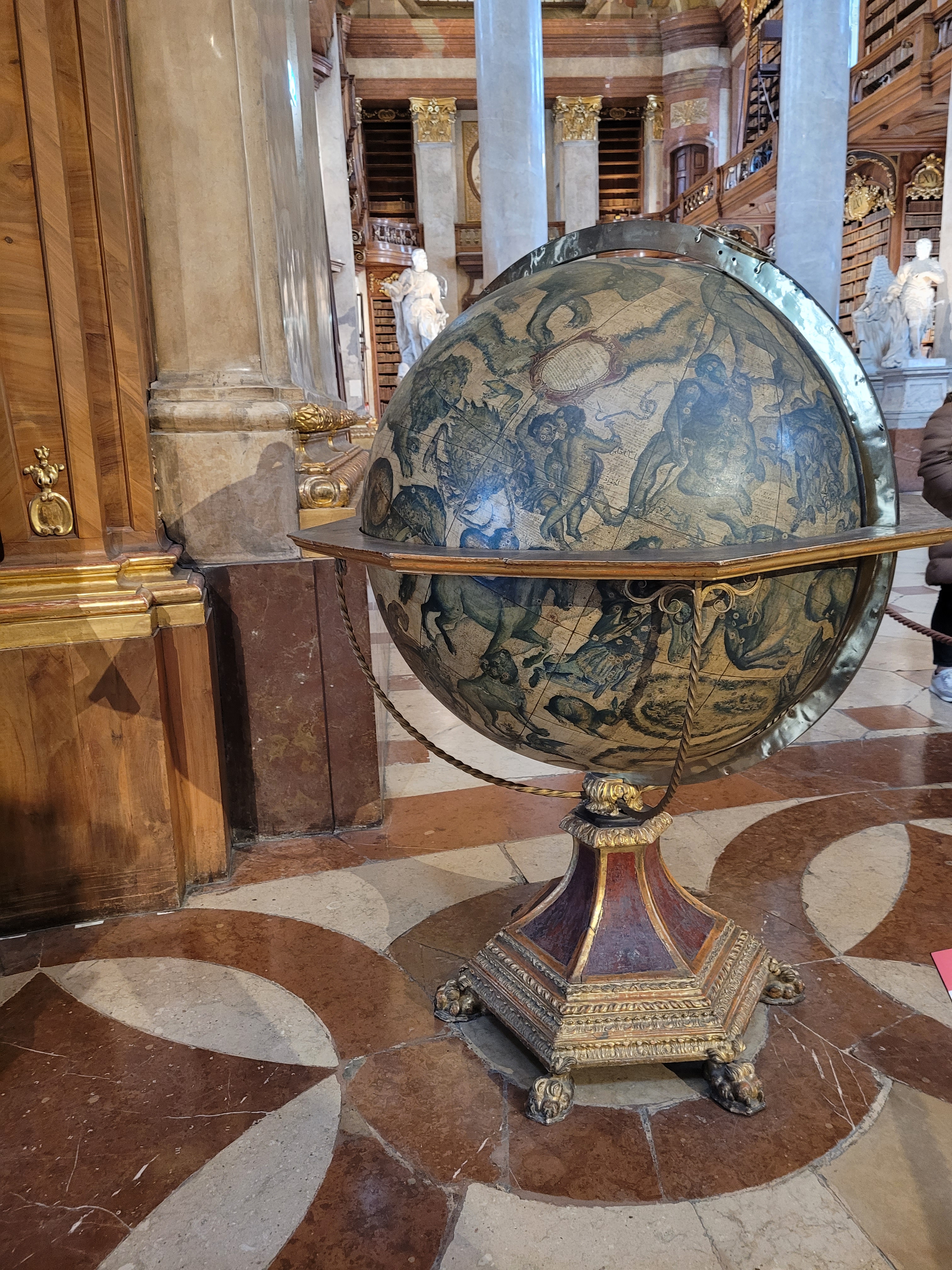
But back to the important things: sightseeing in Vienna. Day 2 was just as great as day 1. I started the day in a library. The State Hall of the Austrian National Library was stunning.

The State Hall – built in the 18th century as part of the former Court Library – is a breathtaking 80 metres long and 20 metres high. An intricately decorated dome and numerous frescos provide an imperial flair. This baroque jewel is home to over 200,000 tomes. Four magnificent Venetian globes, each with a diameter of over one metre, provide the finishing touch to the heart of the Austrian National Library.

https://www.tripadvisor.com/Attraction_Review-g190454-d245775-Reviews-State_Hall_of_the_Austrian_National_Library-Vienna.html

The photos that I took do not do the library justice but suffice to say, I was a very happy Kim.

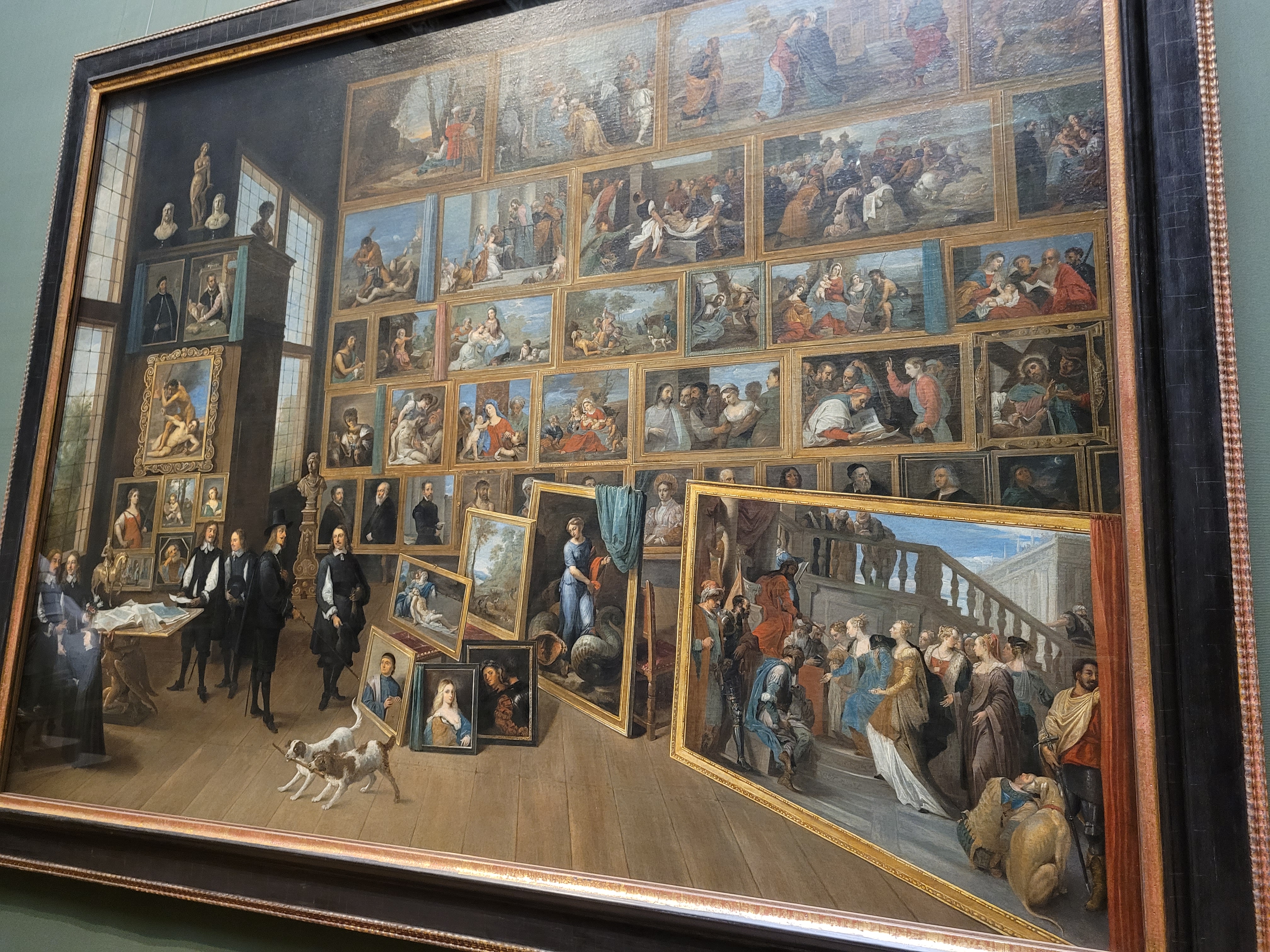
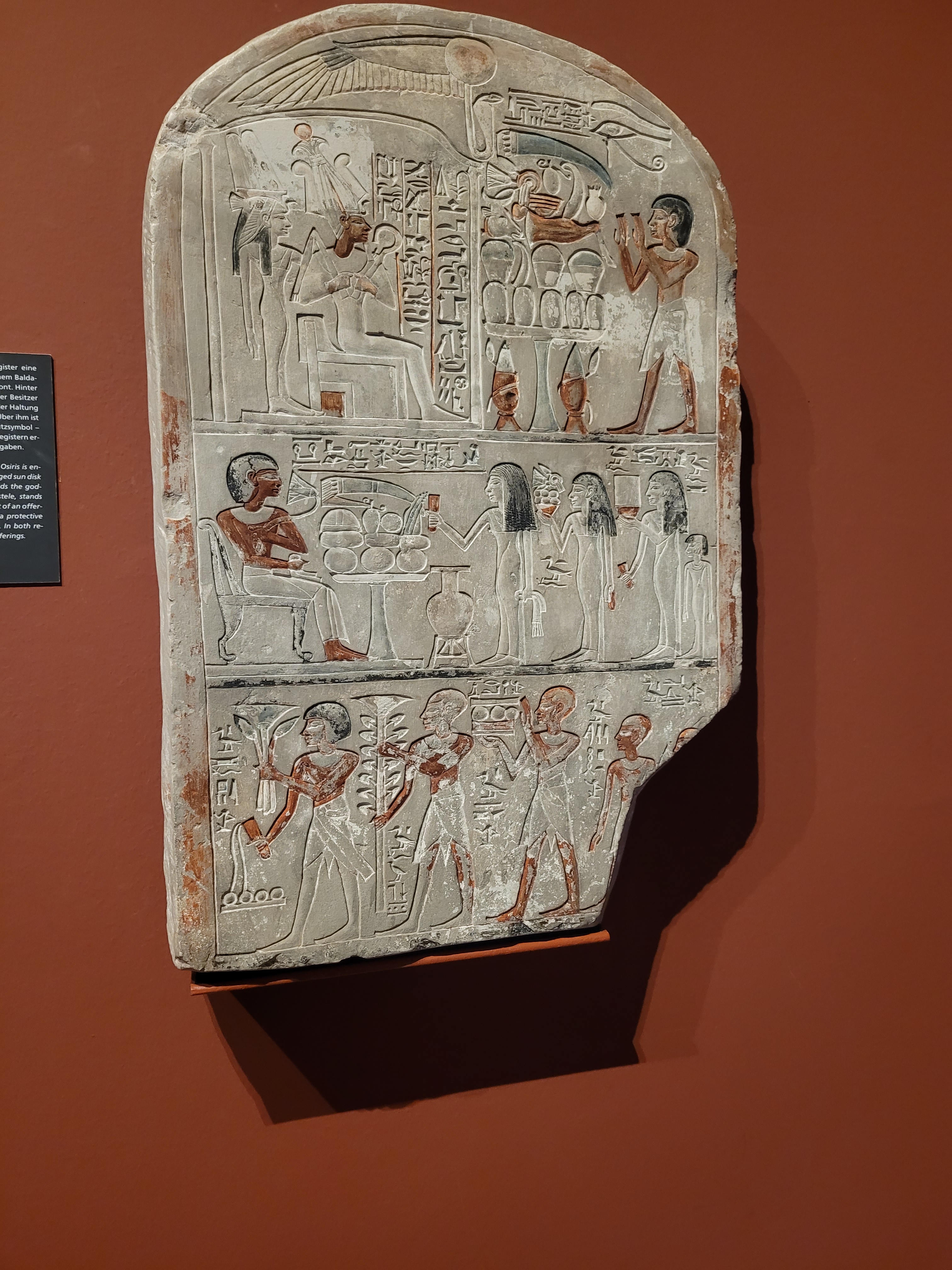
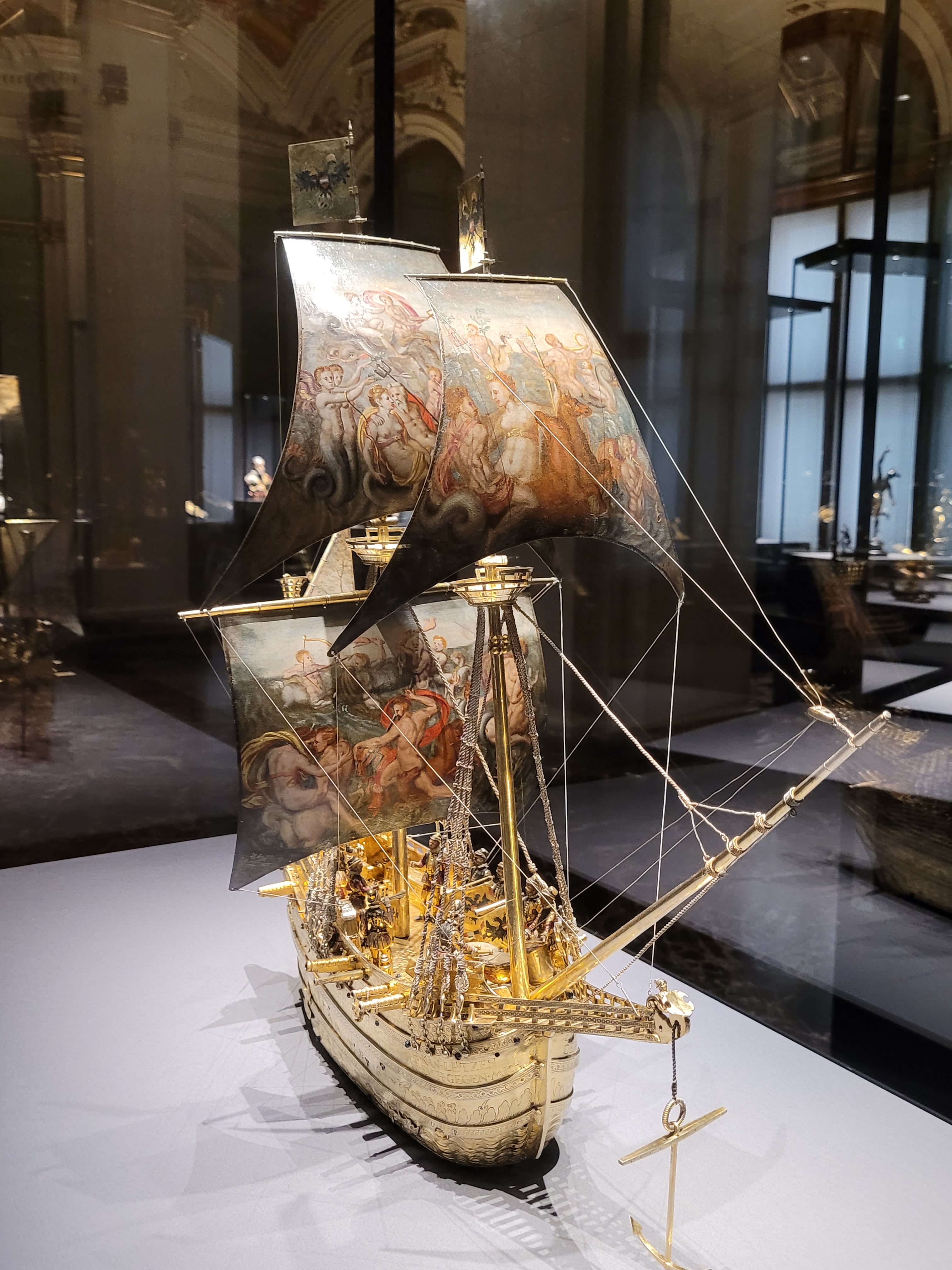
My next stop was Kunsthistorisches Museum Vienna. This museum is known for housing the Habsburg art and antiques. There was a lot of gold plated and bejewelled everything. The museum had artefacts from ancient Greece, from Egypt and a picture gallery full of amazing art. I spent a good three hours here wandering around. The only bummer was there were not a lot of English translations, so there were some things that I couldn’t follow along with, which was a bit of a bummer. I did a bit of googling though and that helped.

The last stop of the day was to the Vienna Naschmarkt. The smells of spices and sausage and fresh fruit and veg just seep into your pores when you enter the market. I did a lot of browsing, but did not buy anything.

In addition to the market, I was also on the hunt for the Ampelpärchen, or diversity themed traffic lights inspired by Eurovision. They were so fun to spot, but difficult to photograph. I ended the day getting sausage in a giant bread roll from one of the street vendors and enjoying the view in the popular historic square. I don’t usually eat meat when I am on vacation, but you can’t really go to Vienna and not eat a Vienna sausage. It was every bit as good as I hoped it would be.

The Scamp and the Writing Challenge: Week 46

Be prepared for a long post. I’ll apologise in advance for it. The challenge for this week is to tell the stories behind the tattoos that I have.

I have more than 20, so I will try to be brief.

2 stars on the top of my right foot. Worst 3 1/2 minutes of my life. I was 19 in Las Vegas with my mom and my cousins, and we decided that it would be a good idea to get tattoos. I had seen a photo of a model who had two stars on her foot and I loved the way it looked and knew that it would be easy to cover with shoes when I needed to look ‘professional’.

20171115_112159

3 cherry blossoms down my spine. I got this one in Merced at the same place that I got the hula girl. My mom and brother came to visit me for the weekend, and we all got tattooed together. The artist who did the flowers was this big scary looking guy, and I remember him telling a story about having to wear a pink tux for a wedding. He said that people made fun of him, and I asked if he took people outside and kicked their ass in the parking lot. He laughed and was so sweet to me while he did the flowers.

Hebrew lettering on my back. This was a birthday gift from the wombmate for my 21st birthday. I got this done at a shop that she likes, and I hated the experience. The people were rude, and the artist put the stencil on upside down the first time, and then made me feel like shit when I almost didn’t catch it. What’s even better, is that now that I have had the chance to travel the world, people who actually speak Hebrew have informed me that my name is spelt in a strange way, and now they love to correct me. I love it though, and it has sparked some great conversations.

Scottish pinup girl. This was a birthday present to myself when I turned 26, and it was the first tattoo I got in Scotland. Studio XIII is an amazing place. I saw the tattoo the first time I visited Scotland with my mom, and went back and got the tattoo before I left Scotland after the MSc. The owner of the shop drew the tattoo, and the shop was so happy that someone wanted to get that as a permanent work of art.1010455_594964092085_588174323_n
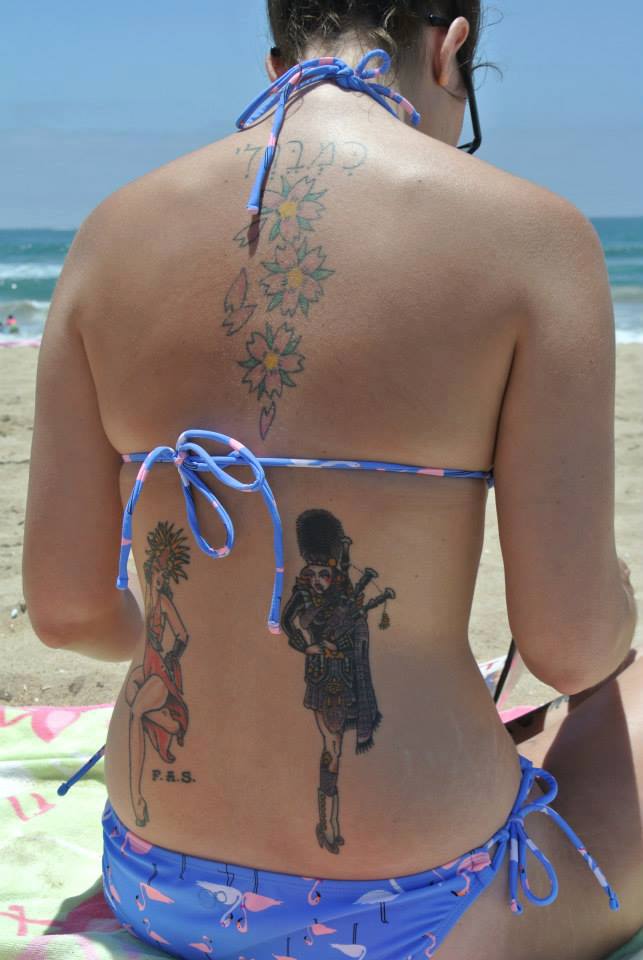
Vegas Showgirl. I got this tattoo to celebrate my grandmother. She died when I was a kid, and on the 15th anniversary of her death, I got the tattoo on my back to always have a bit of her with me.  I got a Vegas showgirl because my favourite photo of my grandma is one she had taken in Las Vegas. It is one of those funny photos where they take your head and put it on someone else’s body. She looks like a showgirl and she used to tell people that is what she did before she had my mom. I still have the picture. I used to carry it in my wallet, but I am worried that I will destroy it, so now it is in my bedroom where I can see it all the time. This was my second tattoo done by Joe.

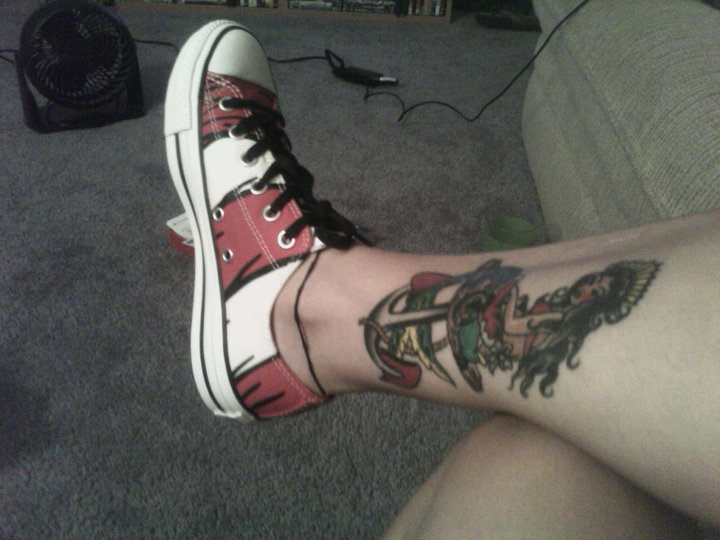
Mermaid on the inside of my right ankle. This was a birthday gift for myself when I turned 23. This was the first time I went to Classic Tattoo in Fullerton, the first time I met Joe, and the first time I got a Sailor Jerry Tattoo. The best choice I ever made. This has started a long-standing tradition of visiting Joe and getting tattooed by him. I love mermaids, love rum, and love the idea of having American traditional tattoos. This is one of my favourite tattoos and gets me a lot of attention.
34524_519509872945_7959623_n

Sailor Jerry hula girl. Yet another masterpiece done by Joe. This was a birthday present to myself when I turned 24 (I think). I went with 4 of my friends and had a great time. They came to dinner at my house after, and my mom showed them baby pictures and we laughed all night. I love Sailor Jerry and the style of tattoos that Norman Collins did, so this was an extra special treat. The tattoo is on my right shin, and I have a dream of decorating my whole right leg in Sailor Jerry tattoos.

Screenshot_20171115-203316

Martini girl on the back of my right leg. Another Sailor Jerry and another tattoo with Joe. This finishes off the tattoos on my right leg for the moment.

Hula girl on the inside of my left ankle. When I was a kid, Crazy Shirts was a huge deal. They are known for their funny shirt designs, and they had shops everywhere. My parents took us to Hawaii and while we were there, my mom bought me a Crazy Shirt with a hula girl on it. The shirts come with a sticker, and I held on to that sticker for years. When I turned 20, I decided that I wanted it to be with me forever. I got the tattoo in Merced, and I loved showing it off at uni because no one I knew there had tattoos. My mommy and wombmate both have the tattoo as well.
Screenshot_20171115-20325910993442_605413626256927_864229331424746654_n

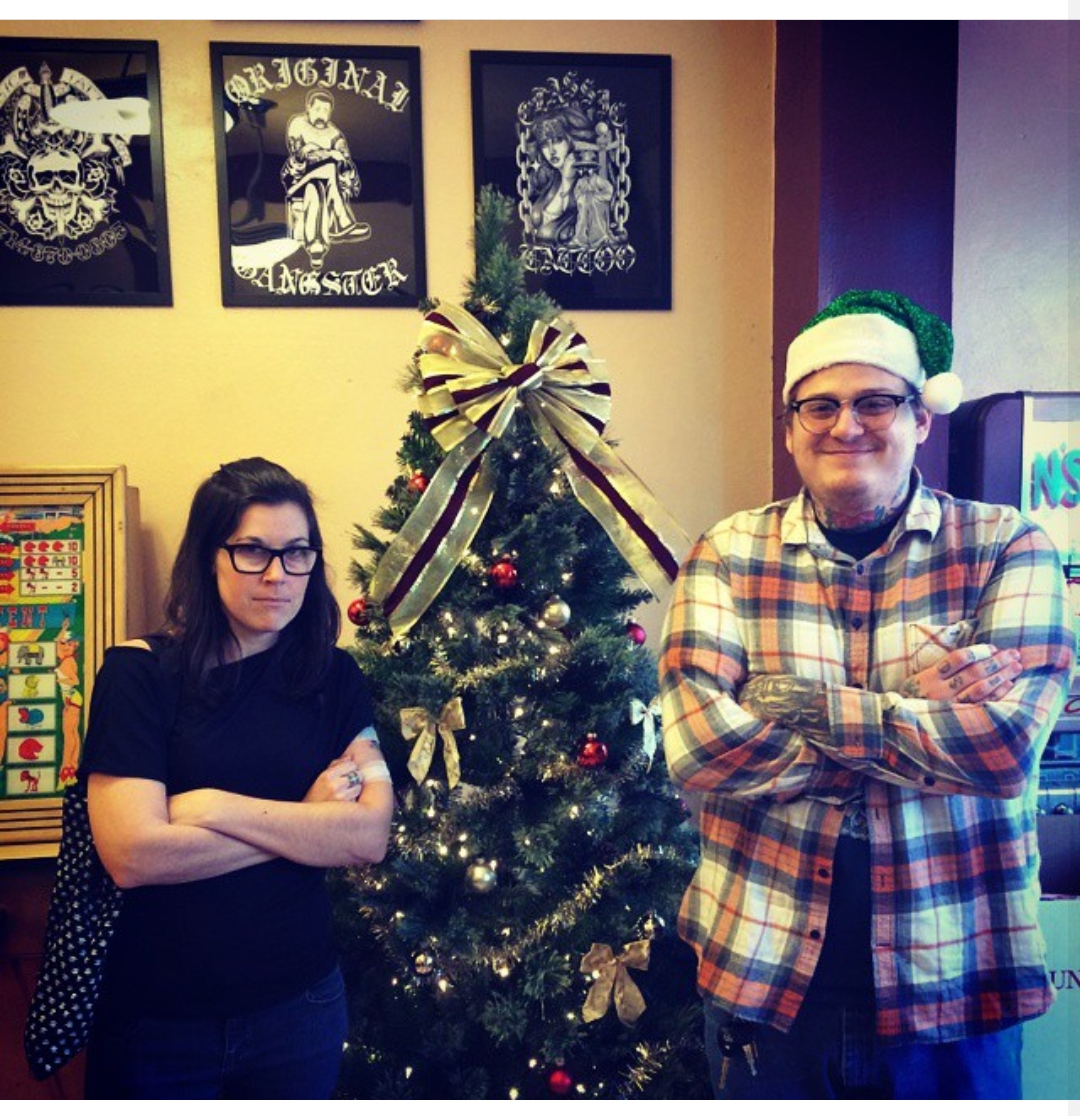
Bonus, a photo with Joe.

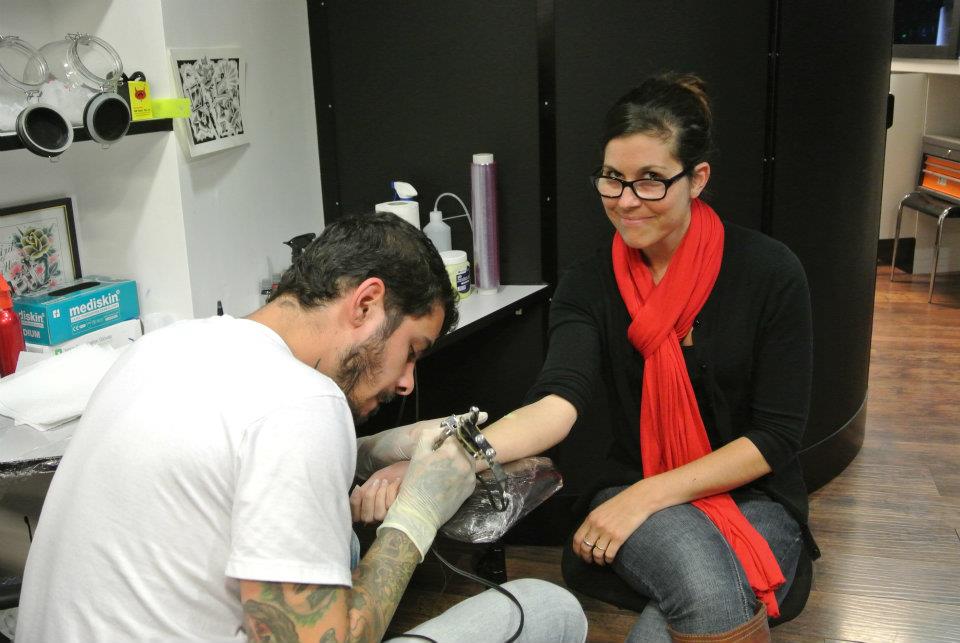
Celtic knot on my right wrist. A very nice Brazilian man tattooed me in Ireland. My mommy and the wombmate also got the tattoo.
252715_10150850795526887_1282593364_n

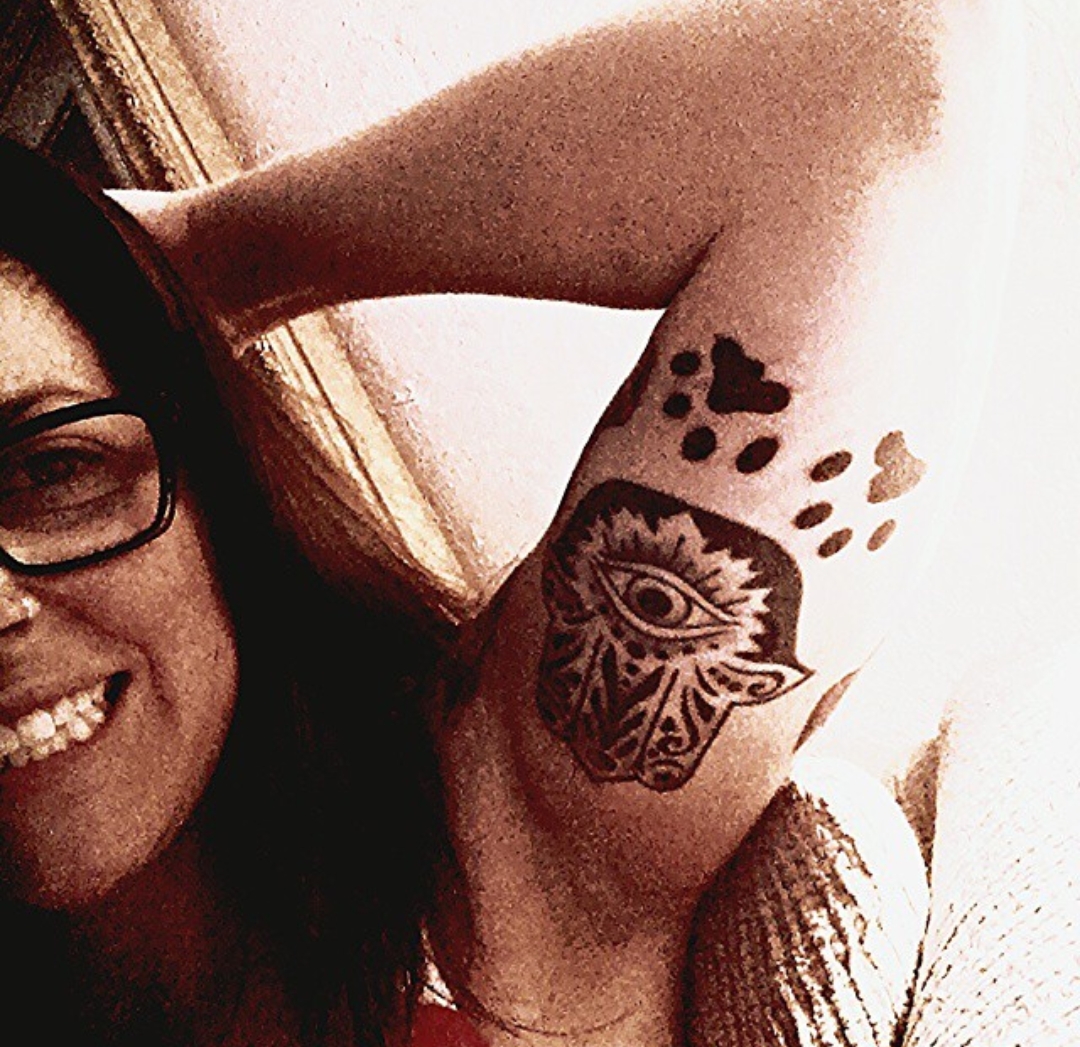
Hamsa. This was the most painful tattoo that I have. It is on the underside of my left arm, and it was sore for almost a month. It really is beautiful though. The Hamsa is a symbol of protection in many cultures.  It translates to the hand of God and wards off evil. I have the tattoo on the inside of my arm because it rests against my heart when my arm is down.

My kitty’s paw prints. I got them right before I moved to Scotland. My baby had to stay in California, so now I can always have a bit of him with me.
Screenshot_20171115-203236

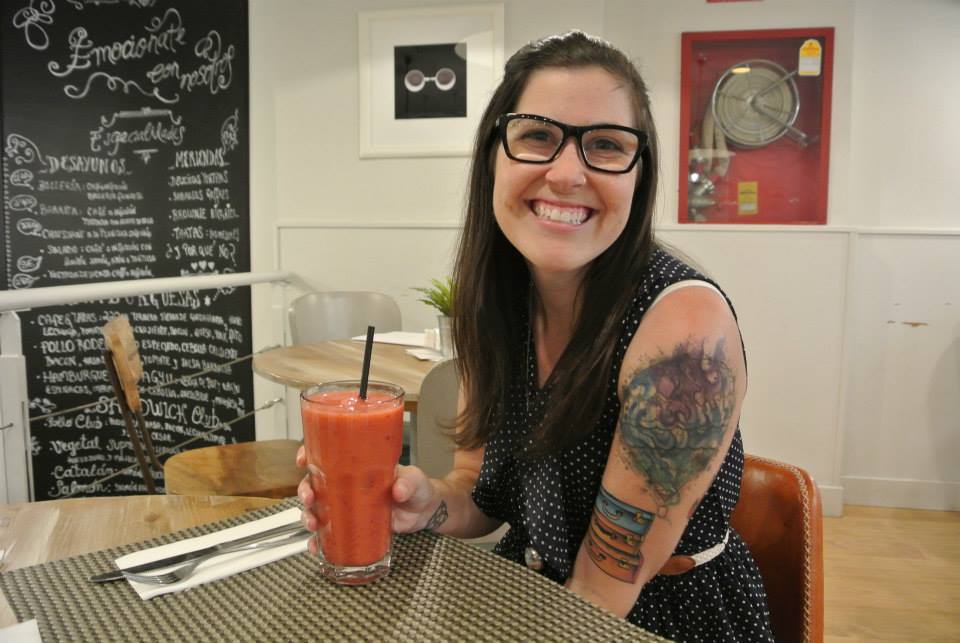
Hot air balloon from Estonia. This was my first watercolour tattoo. The girl that did it was 23 and so nice. I had a great time. It took 4 hours and was a bit painful, but I love it.

Suitcases. My best friends got this tattoo for me as a birthday present. I love it, not only because I love to travel, but because it reminds me of them.
11150908_10152727504371887_3063475579496682595_n

Heart and anchor. The wombmate and I got these as charity tattoos. Joe did them and the money from the tattoos went to the Children’s Hosptial. Tim Hendricks, a very famous tattoo artist bought Classic Tattoo and saved the shop from having to close down, so it was no hardship to get tattooed and support a good cause. It is on the back of my left arm.

Screenshot_20171115-211834

Mother/Daughter infinity tattoo. I made my mom get this tattoo with me on her last trip to Edinburgh. I had it done at Studio XIII, and love it.

Geometric map of the world. This is one of my favourite tattoos. This is my wanderlust tattoo. It is the one that everyone always asks about, and the one that really shows my love of travel. These two tattoos take up the inside of my left arm.
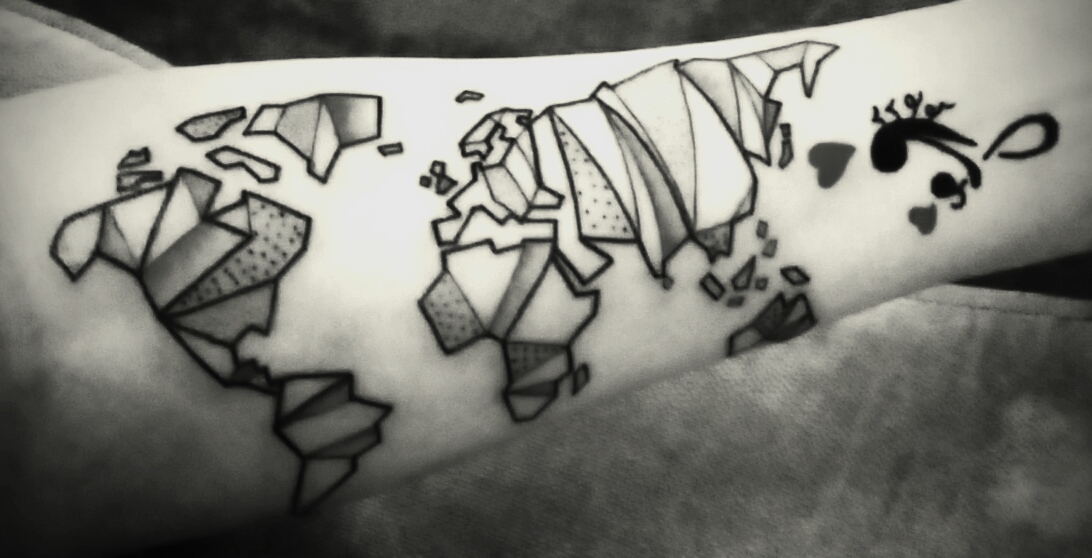
12694561_686219016485_437793212141139414_o

My grandmother’s signature. The same artist who did the mother/daughter tattoo put my grammy’s signature on my arm. It is in a place that I can see it every day since I can’t see the showgirl. He was really great about making sure it looks exactly like the paper that I brought him.
18839559_745280002795_8371754311934953341_o

Pineapple. The heterolifemate and I got matching pineapple tattoos while she was living in Scotland. Pineapples are the international symbol of hospitality. Travellers used to put pineapples outside their front door when they returned from their travels to let people know that they could come and hear about the adventures and share an exotic snack.

18767836_745295486765_5800212283044438380_n

Okay, that is not the best photo of the pineapple, but this is an amazing bar in Bosnia and an all-around fantastic shot.

Sister tattoo. I made the wombmate get stick figure sister tattoos with me when I snuck home for a bit last year. I love them. It makes me miss her a little less since I know that she has one too. Joe did mine because he loves me and made time for me.

Screenshot_20171115-203159

Russian nesting doll. I got this for my 30th birthday. I survived my 20s, and went to see Joe when I was in California….because no trip to California would be complete without a visit to Joe. This reminds me of my trip to Budapest for Christmas. That was the first time I ever spent Christmas by myself. It was both tough and exhilarating at the same time.

Screenshot_20171115-203135

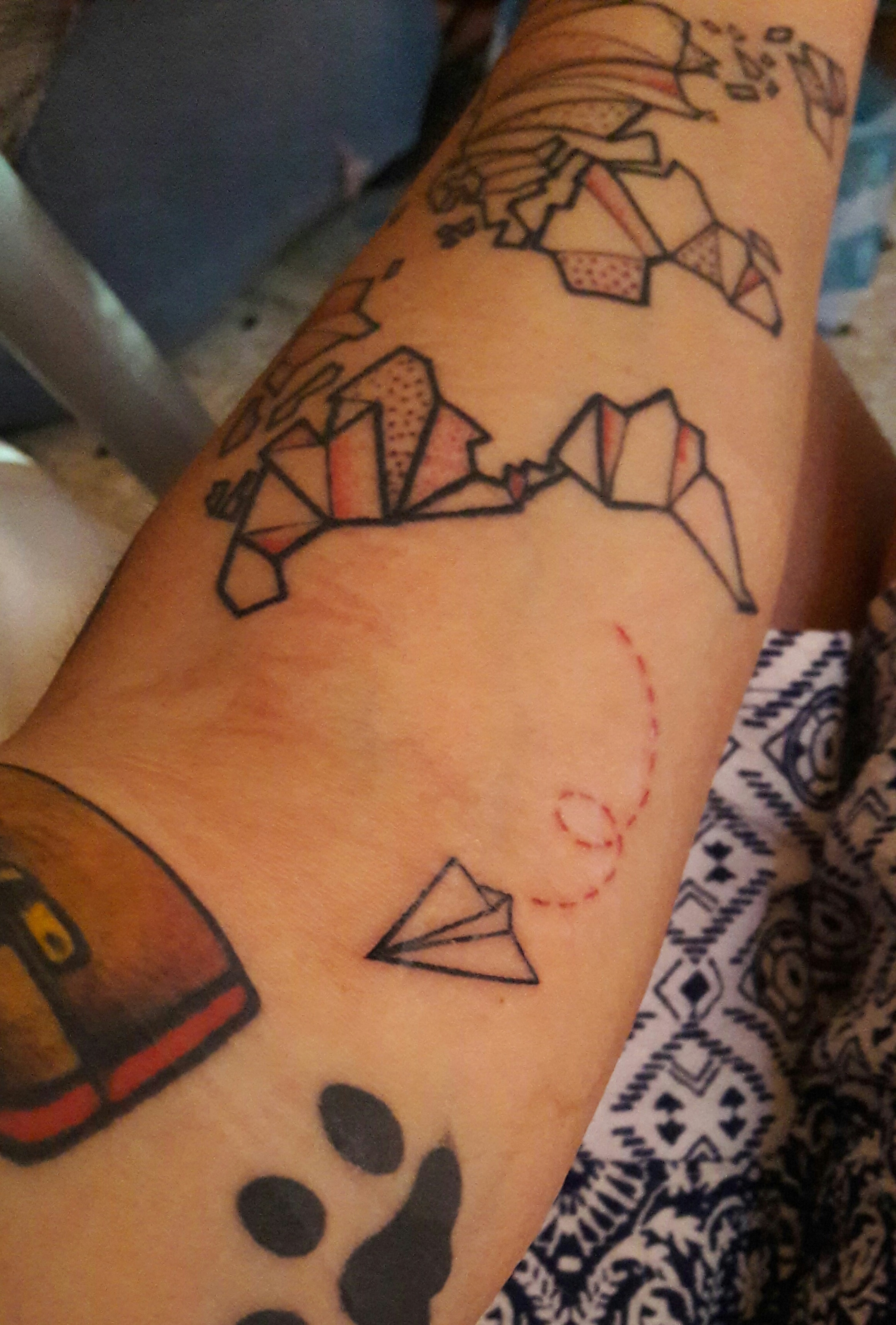
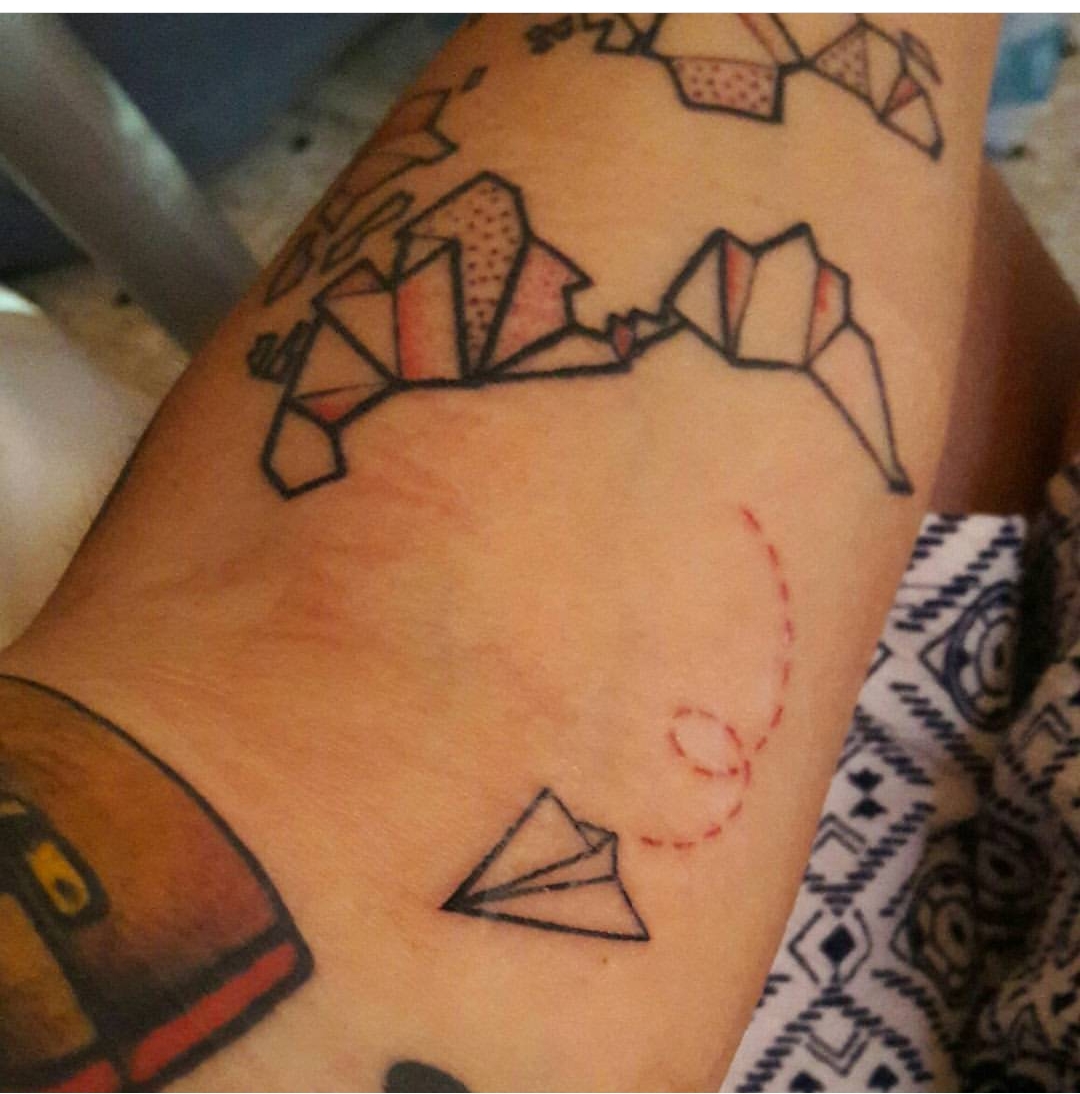
Paper aeroplane. I got this tiny tattoo in Athens. We had spent the day seeing all of the history and culture of the city, and then I stumbled upon this amazing shop. The men who worked there were hilarious. They were friendly and told me that they really liked all of my tattoos because they showed that I had a unique soul. It is one of the nicest compliments that I have ever gotten.
Screenshot_20171115-203106

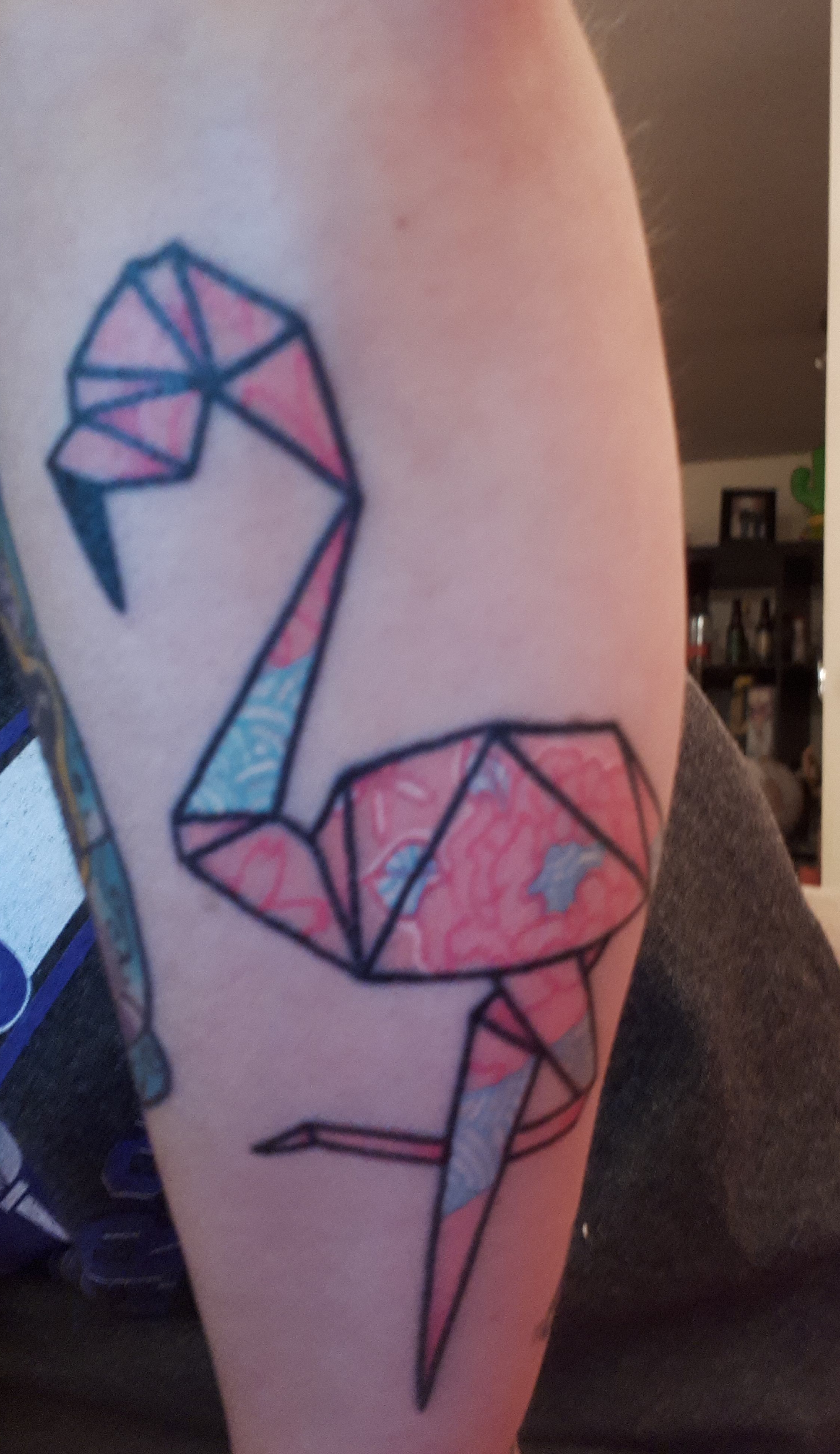
Last, but not least, the newest addition to my art collection is an origami flamingo. I now have a complete sleeve on my left arm, and this flamingo is by far my favourite tattoo. The same artist who did my grandma’s signature, the mother/daughter tattoo and the pineapple did this one. I call him Frank. I like to think that if I was an animal I would be a flamingo, so having one tattooed on me makes me feel less awkward and weird.
20171115_215159

So there you have it, my art collection and the story behind each piece. They are great conversation starters, and I think they make me just a little bit cooler.
The Scamp in Bosnia

…and now for the final post of my epic adventure. This also happens to be one of the highlights of the trip for me. The surprise favourite. A friend of mine told me that Sarajevo was perhaps the most beautiful capital city that he had ever been to, and he’s been to a lot of capital cities, so I was both curious and excited to see what surprises the city had in store for me.

Let me tell you, it did not disappoint. I had no idea what to expect when I got to Sarajevo, but the beautiful fusion of East and West in the ‘plains around the palace’ offered me a regular feast for my eyes. We  got into Bosnia a bit late in the evening, so after checking into a lovely hotel, we went to perhaps one of the best houses in the city for dinner.

The Spite House has a very interesting story. According to Atlas Obscura:

An elderly Bosnian fellow named Benderija refused to agree to the destruction of his house, even after being offered more money than the property was worth. Without the land under his house, there would be no way for the city hall to be built at the desired location, right next to the River Miljacka. Lengthy negotiations ensued between the old man and the city (with even the Austro-Hungarian Minister of Finances getting involved) until finally, in 1895, he agreed to sell his property for the extravagant price of a sackful of gold ducats, but only under one condition: the authorities would have to move his Ottoman-era house, brick by brick, and rebuild it on the other side of the river.

Benderija got his way; in the popular account of the story, the old man spent every day of the move sitting in the middle of a nearby bridge, smoking cigarettes and carefully watching the workers transport each brick across the river. When the house was finally rebuilt, it was aptly named Inat Kuća, or the House of Spite. 
Today, this proud symbol of Bosnian stubbornness serves a more practical purpose: it was converted into a Bosnian restaurant in 1997.

The government got the last laugh though because while the man’s favorite spot used to face the river, it now faced a mountain.

IMG_2190

We were treated to a tour of the city by a local guide of about my age. He was full of the typical stories, and showed us the site where the 1914 assassination of Archduke Franz Ferdinand happened. It was an odd bit of history to walk over, and the unfortunately for Sarajevo, it was not the last of the struggles that happened there.

IMG_2194

It was interesting to see the influences of the West on side of the city, and the East on the other. There are markets that look much like I imagine the markets of Istanbul to look, and they sell Turkish coffee, Turkish delights (which are not a delight), and beautiful weavings, jewelery and tourist fluff. There are traditional bars and fancy brand name shops there as well.

We were able to take a trip outside the city to see the Sarajevo War Tunnel. Before this trip, I was pretty ignorant to the history of Bosnia, but I was aware of the war that plagued them in the early 90s. I remember seeing news reports of fighting, and hearing that bad things were happening, but I was little and did not really understand what it meant, or who was actually in the wrong. The Tunnel of Hope is just one of the examples of resistance.

According to Wikipedia (I know, I hate that site too, but it is the best place for quick summaries to help paint a clear picture to a complicated story):

The Sarajevo Tunnel (BosnianCroatian and Serbian: Sarajevski tunel / Сарајевски тунел), also known as Tunel spasa (Тунел спаса, English: Tunnel of rescue) and Tunnel of Hope, was an underground tunnel constructed between March and June 1993 during the Siege of Sarajevo in the midst of the Bosnian War. It was built by the Bosnian Army in order to link the city of Sarajevo, which was entirely cut off by Serbian forces, with Bosnian-held territory on the other side of the Sarajevo Airport, an area controlled by the United Nations. The tunnel linked the Sarajevo neighbourhoods of Dobrinja and Butmir, allowing food, war supplies, and humanitarian aid to come into the city, and allowing people to get out. The tunnel became a major way of bypassing the international arms embargo and providing the city defenders with weaponry. 

We got to go through a small part of the tunnel, and the house that hides it (and well, a lot of buildings in the city) or still covered in bullet holes.

In fact, bullet holes, and bullet shell are quite the popular tourist attraction. Many of the trinkets that tourists can buy are made with spent casings. I found this to be really dark, and somewhat distasteful, but plenty of people seem to think it is a good idea. We had some time to wander after the tour, and while I would have liked to hike to the old bobsled track, I instead went in search of Jewish people. I dragged the Golden Girls to an old temple and got to see the Jewish people of the city lived, and how many of them were protected by the Muslims in WWII. It was rare on this trip to be able to see this little bit of culture, but I am glad that the girls indulged me and let me have a wander in the sacred space.

The Golden Girls and I completed our day climbing the fortress and looking out over the city. We were hot and sweaty, but it the views were lovely.

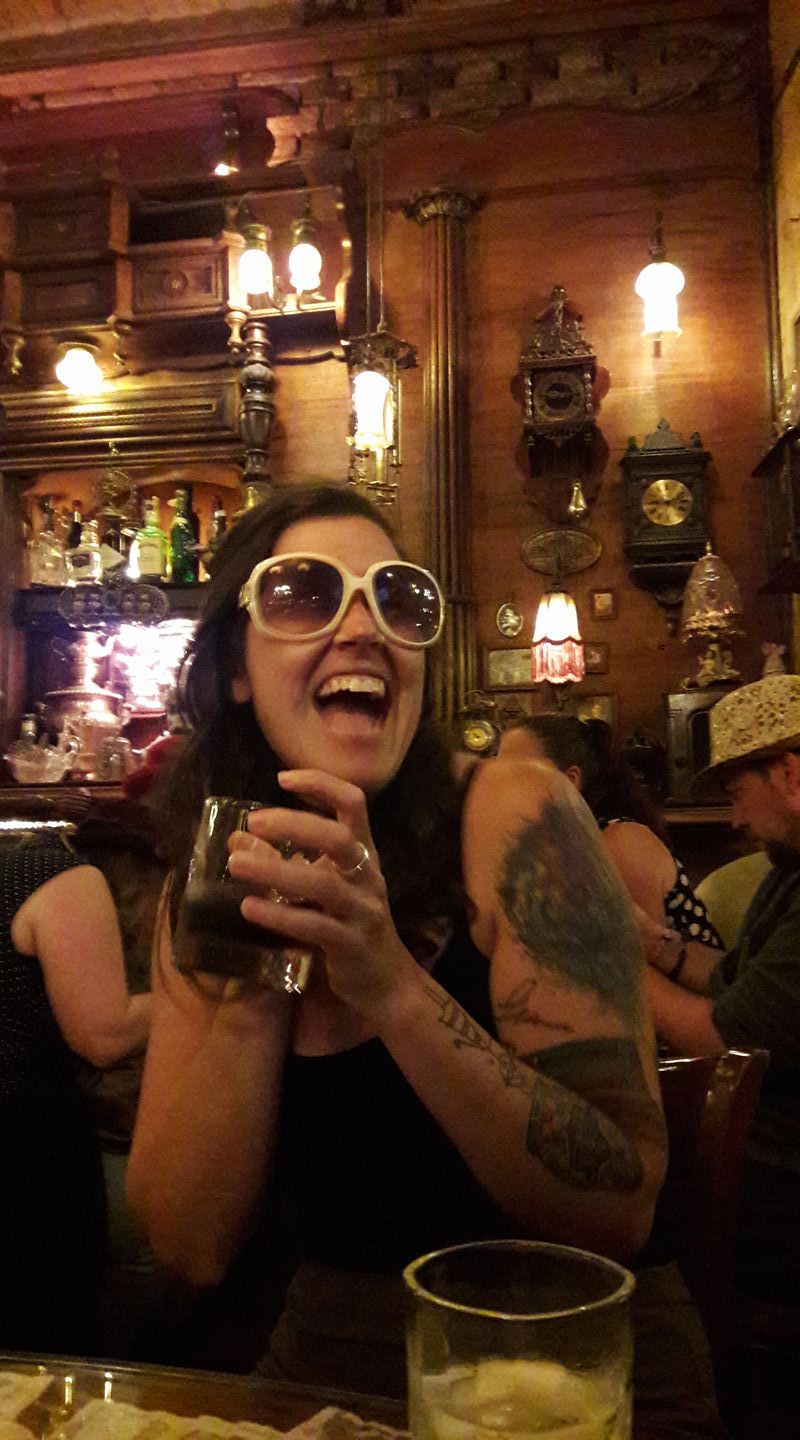
One of the hidden gems of the city was the bar that is  decorated like a granny’s house. It is called Zlanta Ribica. I’d go back there are put on a funny hat and some big sunglasses and drink cocktails until the day is done.

18815089_744765653555_1495348541956342014_o

We left Bosnia to head to Mostrar, one of the most important cities in Herzegovina. I do not remember most of what we were told about the city, but the famous old bridge. It was built in the 16th century and is said to be one of the best examples of Islamic architecture. It has become famous with the tourists because the men of Mostrar jump off the 25 meter bridge to transition to manhood. It looks crazy, and scary, and one of our very own did it while we were there. It has been completed almost 500 times, and I get to say that I know someone who has done it and survived.

IMG_20170603_015254_312

The end of the guided tour took us back to Split, and I spent the last day of holiday laying on the beach and wishing that I had 17 more days of warm weather. This trip was truly one of the most fun adventures that I have ever had, and although I did complain about some of the people, it would not have been the same  without the people I was with. I have a sincere hope that I will get to meet some of these people again, whether in my home or in theres.


The Scamp in Greece

I’m now at the halfway point in my journey. Greece was the only one of the countries that we visited that I knew of as a really popular tourist destination. It was the one that I knew the most about, and other than Croatia, it was the only one that had actually been on my travel radar.

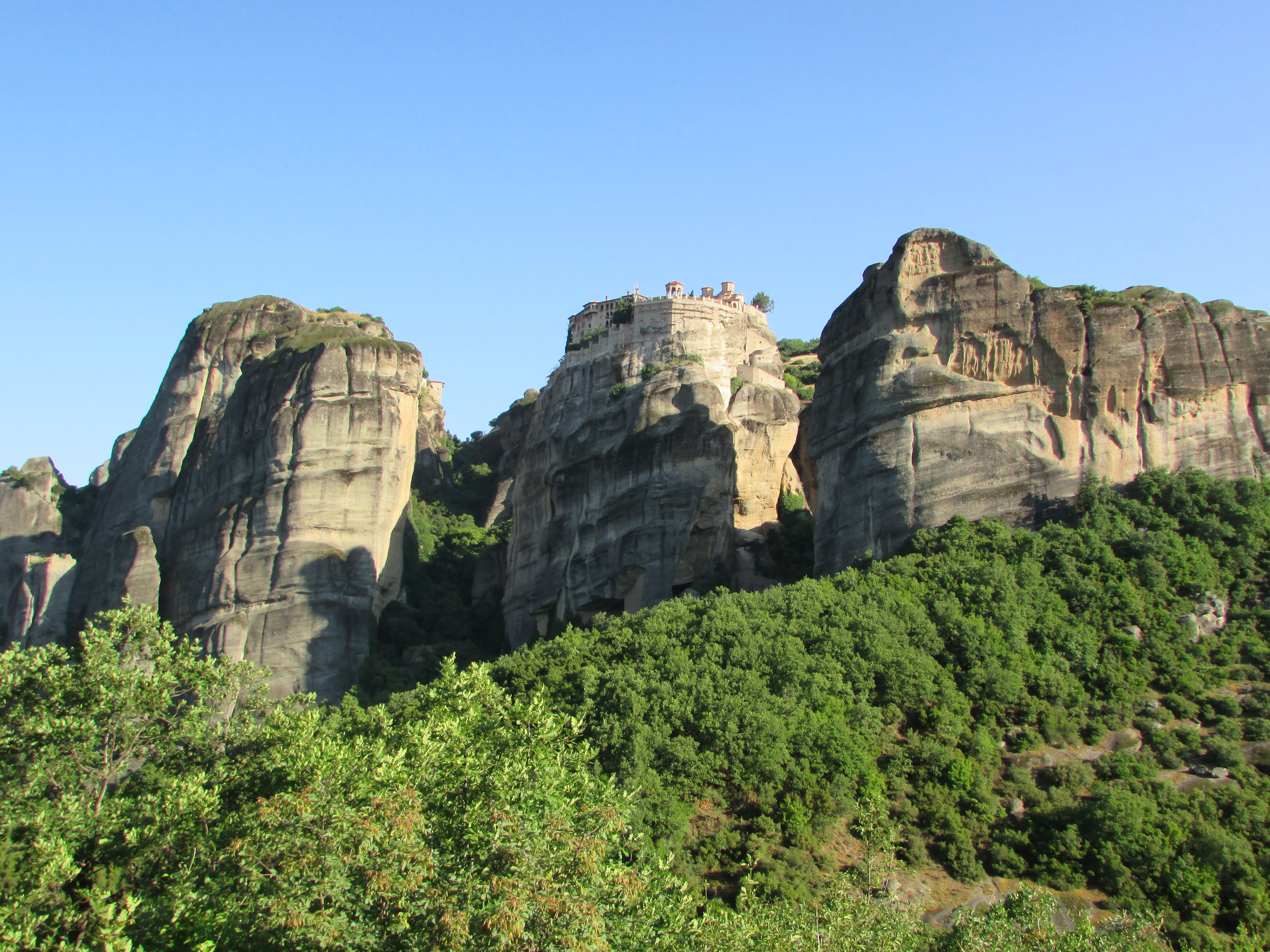
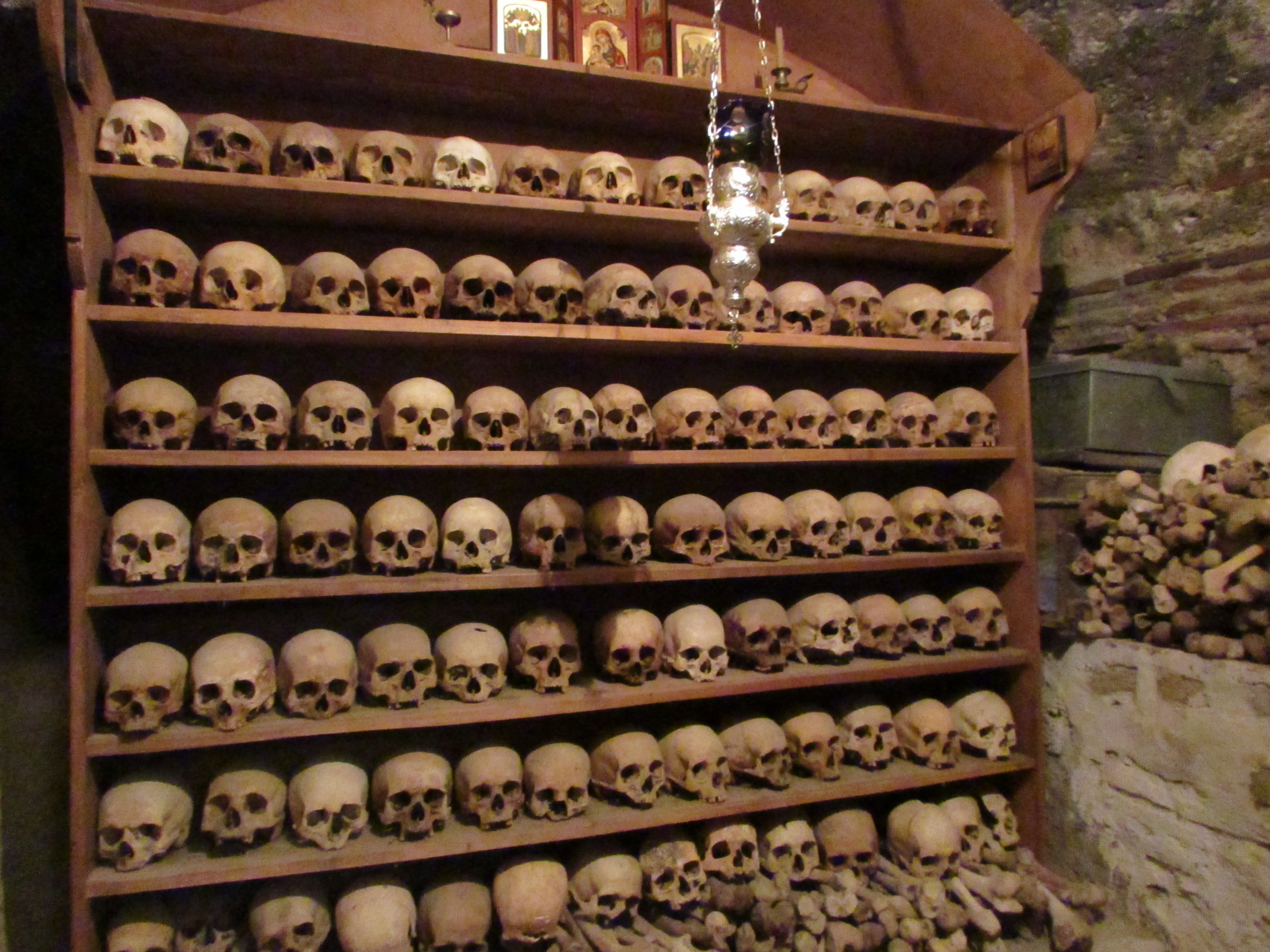
We spent a lot of time in Greece, and it did not disappoint. The first stop we made was to the town of Kalabaka. The draw here was Meteroa (which translates to middle of the sky), the giant rock formations that house some intense Eastern Orthodox Monasteries. The views were beautiful, and it was very interesting bit of history. Women had to be in dresses and have their shoulders covered, and I even saw the skulls of the monks who had lived there before. The people who live there have some crazy net and pulley systems to lift supplies from the bottom of the rocks to the tops where the actual buildings are now. The monasteries were built by hermit monks in sometime in the 11th century, although the exact dates are unknown. One of the monasteries was used in the James Bond film For Your Eyes Only.

There was some blatant sexism going on at the monasteries, so much so that it almost ruined my time there. I do not mind dressing respectfully (having my shoulders covered, not wearing shorts), but one inside being made to feel uncomfortable to the point of actually having to leave a church was not really my cup of tea. Luckily the views made up for some of that feeling.

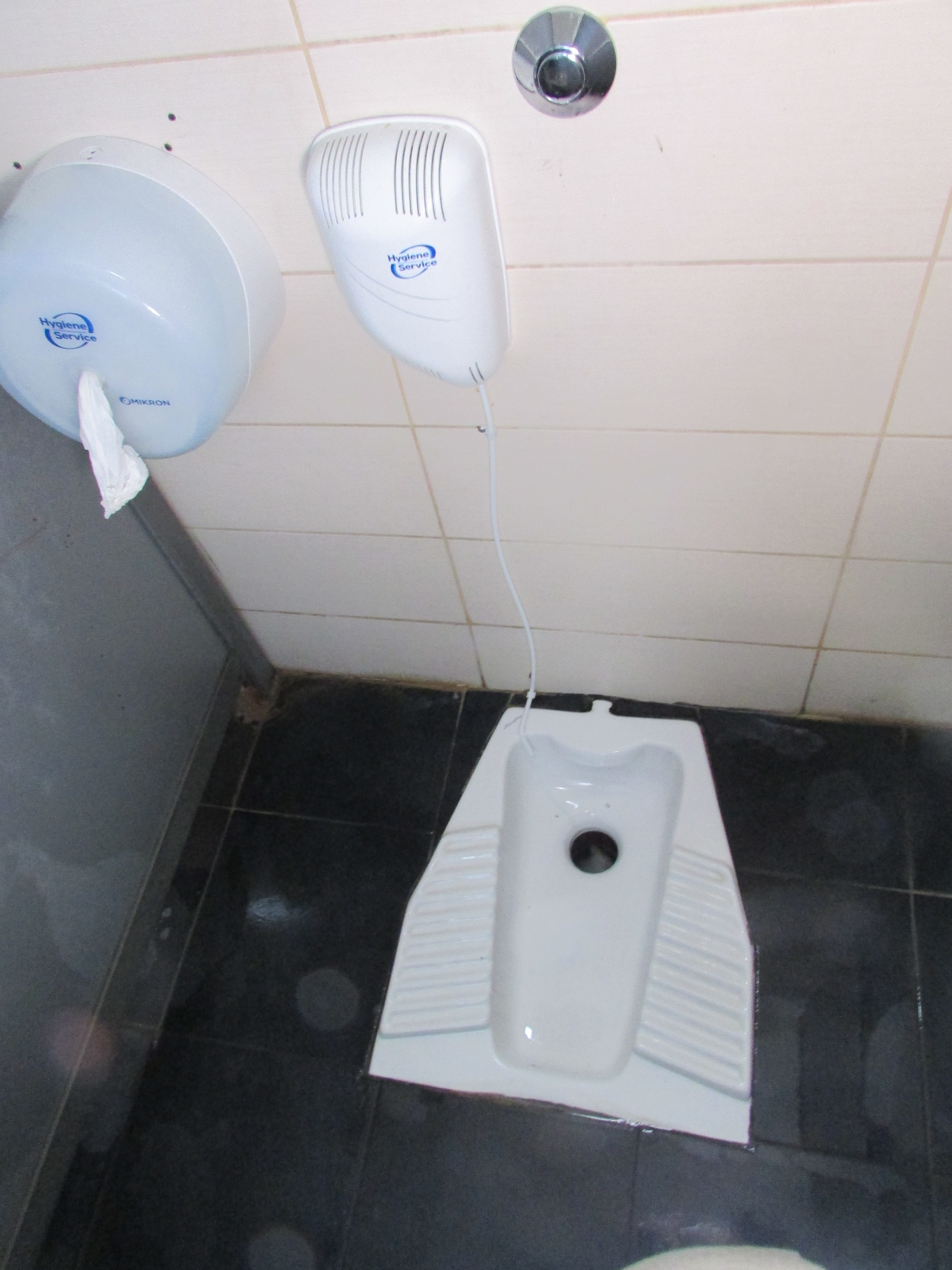
The monastery trip was also my first encounter with a drop toilet. I know, I know. I’ve lived a pampered life. I’ve heard horror stories from friends of mine who have traveled through Asia, and because the bus did not have a toilet on it, I got in the habit of using the toilet before we left anywhere just to be safe. Peeing in a drop toilet when you are a girl is trip and a half. Add to that that I was in a pencil skirt and had to worry about the lack of real door on the stall, I am proud to say that I survived and did not embarrass myself.


IMG_1901IMG_1911IMG_1912IMG_1917IMG_1921

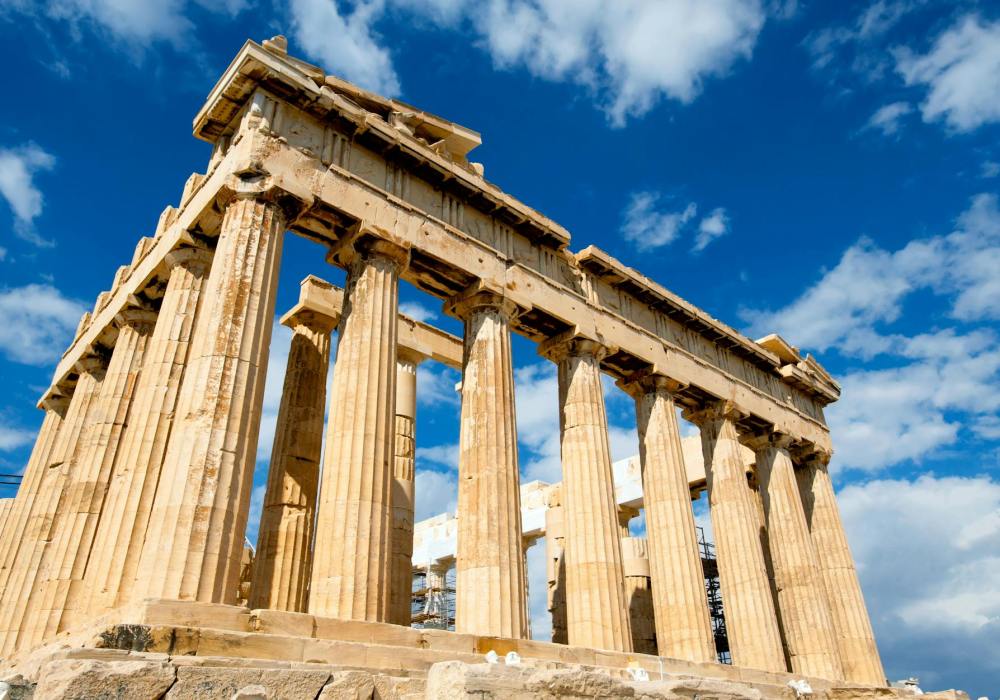
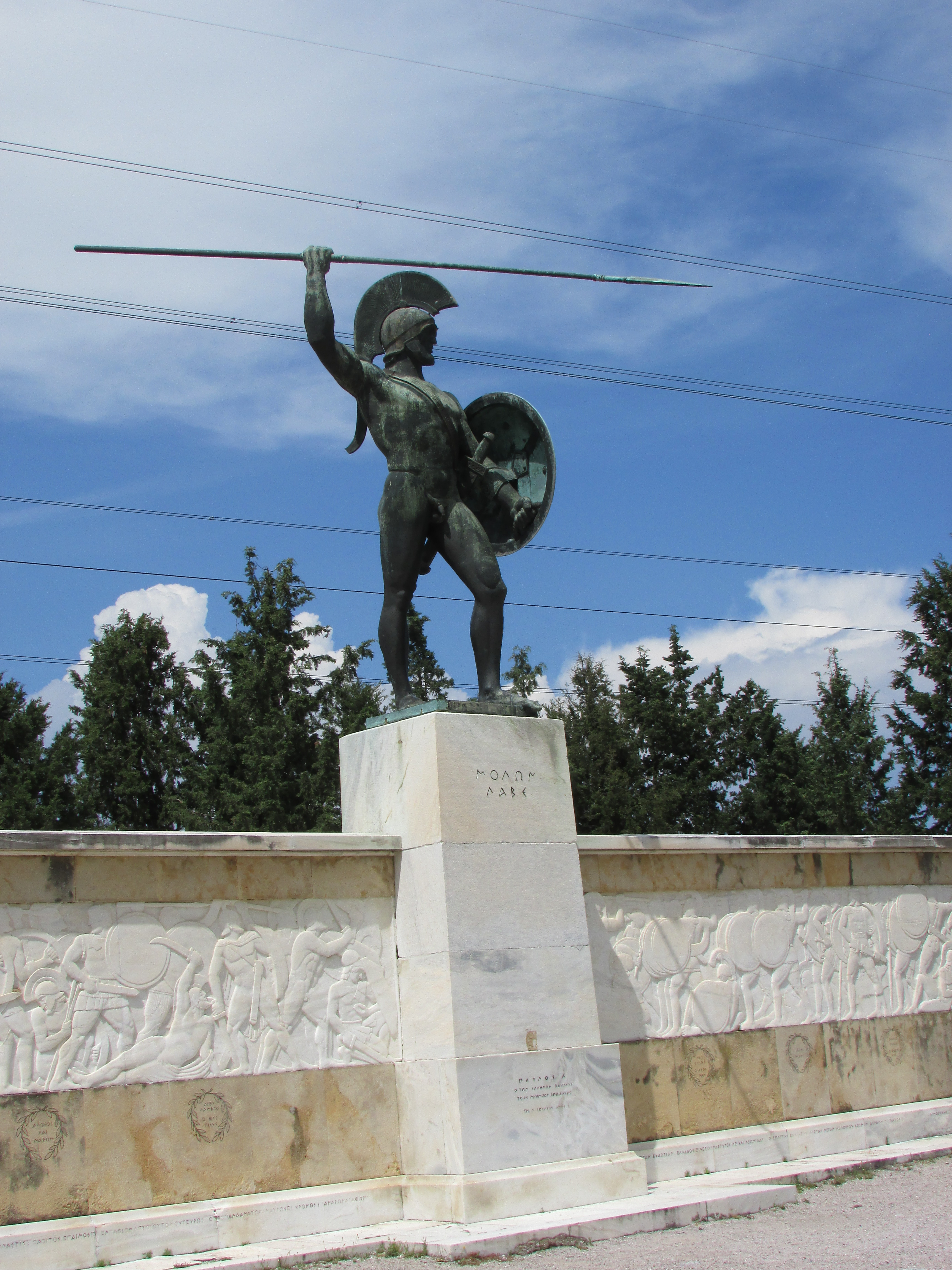
The second place we stopped was Thermopyle, which was made famous  by King Leonidas of Sparta, and the Persian Empire of Xerxes I over the course of three days, during the second Persian invasion of Greece. It took place in August or September 480 BC (think the movie 300 for a really really rough idea of what happened there). There is no longer a coastline there, but there is a statue dedicated to Leonidas.

IMG_1935

From there we made our way to Athens. According to Visit Greece:

Athens is the historical capital of Europe, with a long history, dating from the first settlement in the Neolithic age. In the 5th Century BC (the “Golden Age of Pericles”) – the culmination of Athens’ long, fascinating history – the city’s values and civilization acquired a universal significance. Over the years, a multitude of conquerors occupied Athens, and erected unique, splendid monuments – a rare historical palimpsest. In 1834, it became the capital of the modern Greek state and in two centuries since it has become an attractive modern metropolis with unrivalled charm.

A large part of the town’s historic centre has been converted into a 3-kilometre pedestrian zone (the largest in Europe), leading to the major archaeological sites (“archaeological park”), reconstructing – to a large degree – the ancient landscape (http://www.visitgreece.gr/en/main_cities/athens)

We stayed in a hostel situated in a funky little neighborhood. The rooftop bar boasted an amazing view of the Acropolis. By the time we reached this spot, I had made friends with a few of the people in the group, and one couple loved playing games, so I broke out Sushi Go!, a game that I first saw on TableTop.

We played several rounds of the game, had some beers and enjoyed the evening. We then had a full day to ourselves and a map of the pedestrian zone with all of the top sites marked for us. A merry band of 6 decided to do as much as we could on the master pass of Athens.

Turns out, if you are a student with a valid ID, all of the sites are free to visit. I saved thirty Euro, but even then, I thought the price was worth it. We started at the Acropolis. There were a lot of people there winding through the entrance, but once we made it in, it was much easier to move around.

It was incredible.

I was a little sad to discover that my university WiFi worked up there. All of the people on the internet and editing selfies to post on social media seemed to be really missing out on the history and the amazing sites. A lot of them didn’t even bother to read the signs of what they were looking at!

We then continued our trip to Hadrian’s Library. It was founded by the emperor in 132 AD. Now it is in ruins, but you know me, I love a good library. When my mom and brother came to Scotland to visit me a couple of years ago, we went to Hadrian’s Wall in England, so I thought it was only fitting to see some work that he did where he lived. We had some gyros and enjoyed some amazing fresh squeezed juice before continuing on to the Temple of Olympian Zeus.

From there we walked to the Olympic stadium. I had just seen it on a TV show, so getting to walk around the track was a fun thing to check off my bucket list.

IMG_20170525_155631

My mother tells me that this is the photo of the trip. I def over committed to this shot. The landing was really hard on my feet.

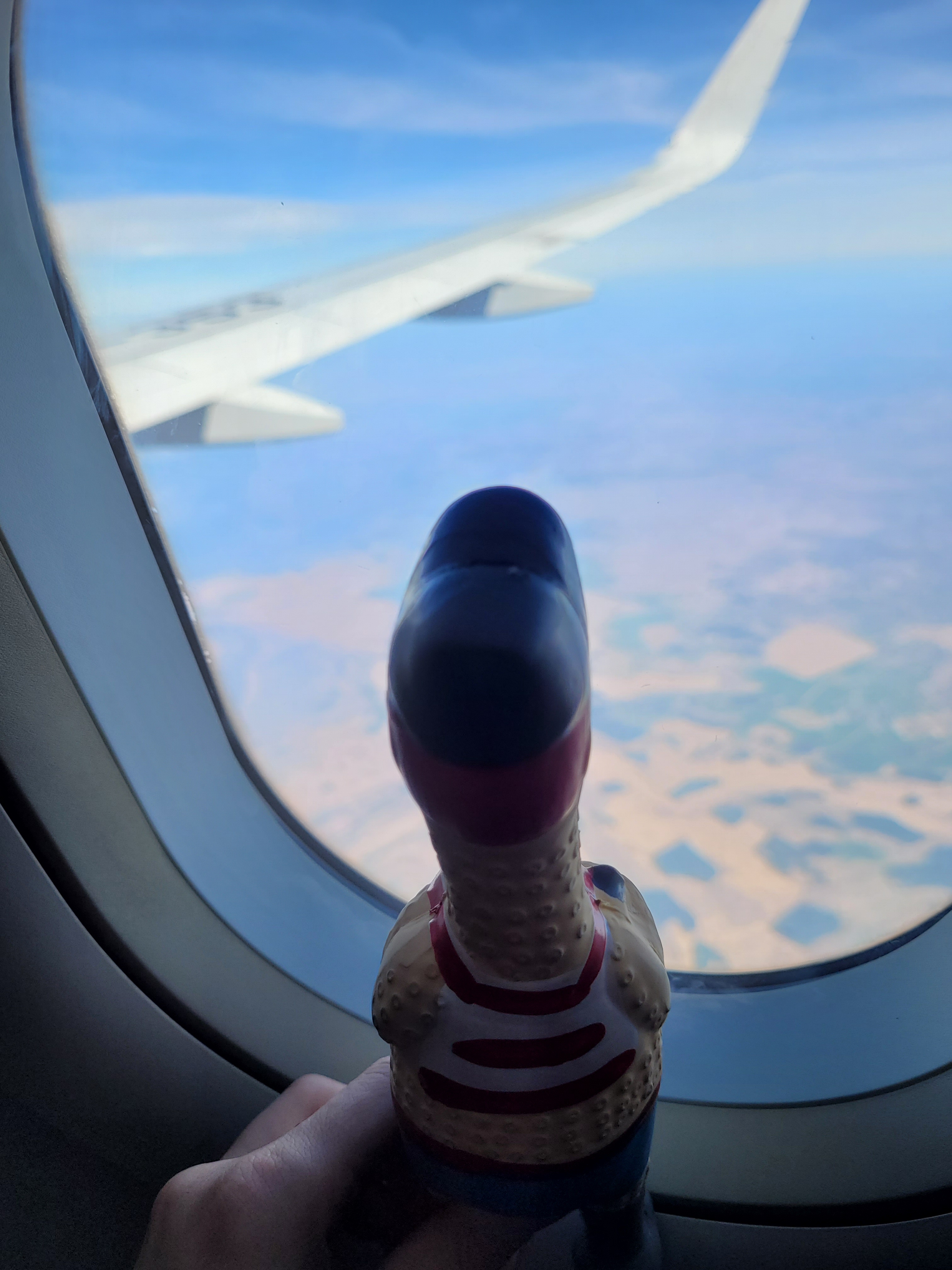
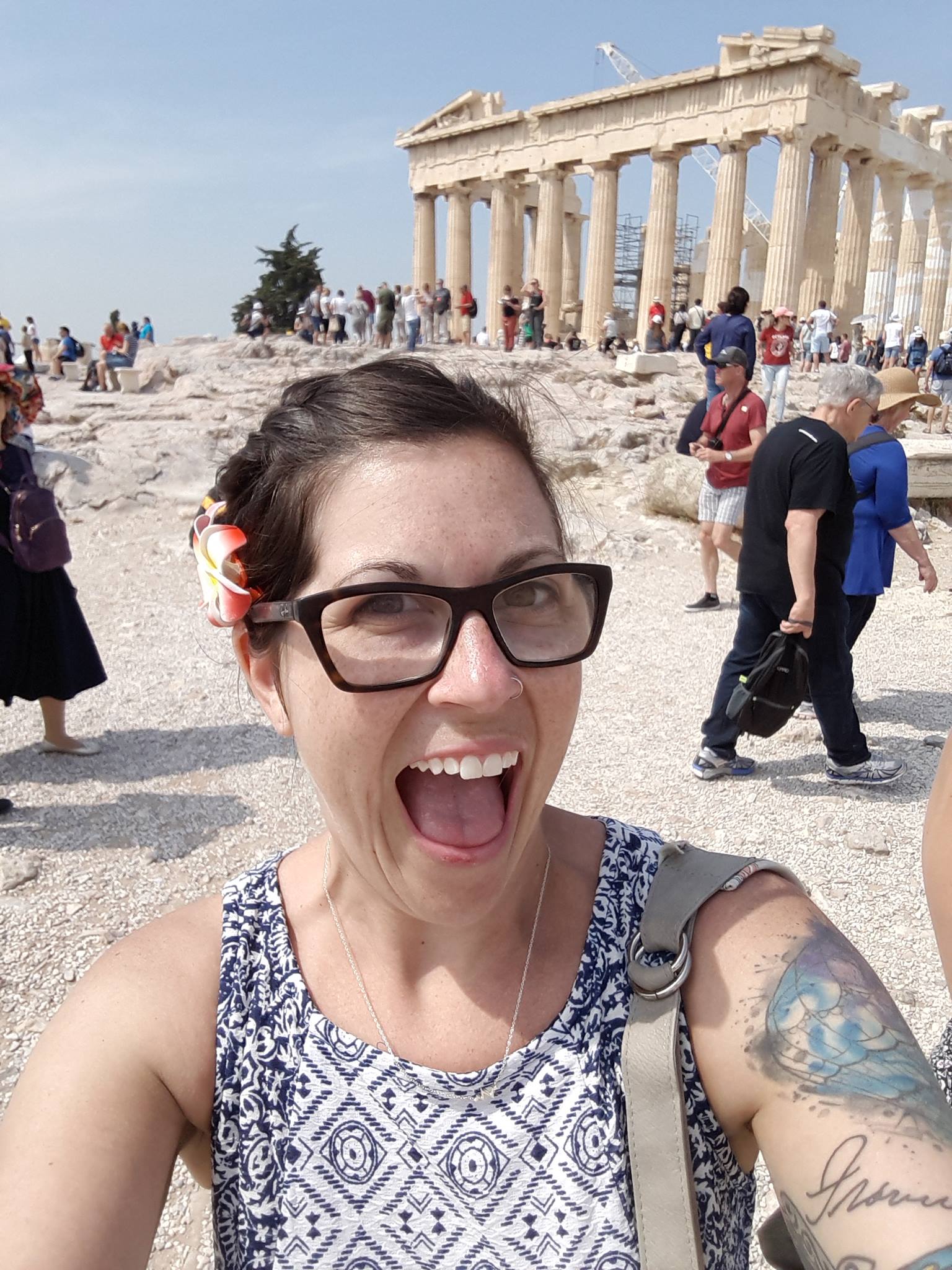
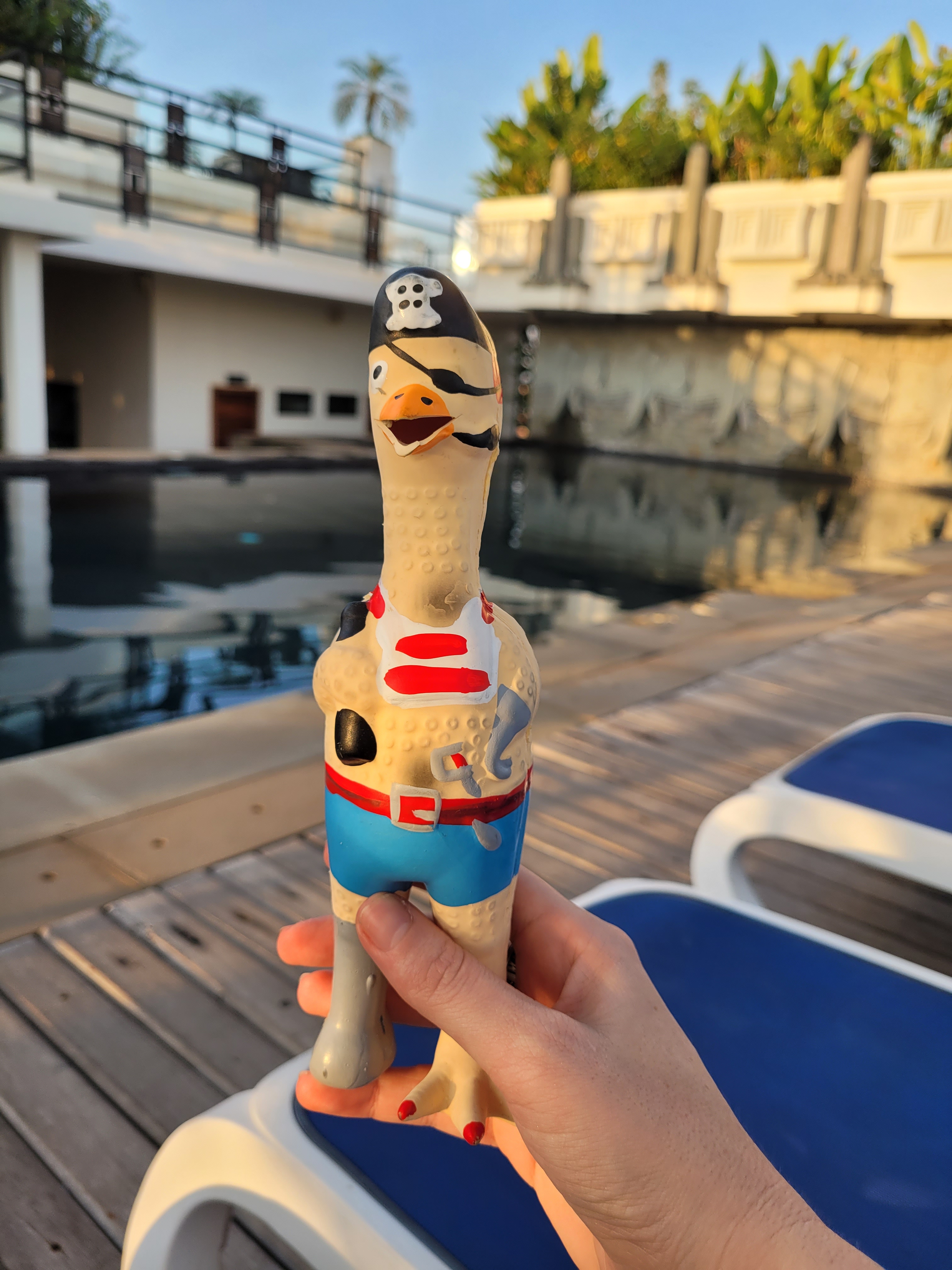
I ended the tour with a little trip to the tattoo shop. I had thought about getting a tattoo while I was on holiday, but didn’t think I’d have the time. When I passed the shop though, I knew I was in the right place. The tattoo artist made jokes that I was clearly looking for them, and that he saw a lot of open canvas to work with. He then looked at all of my tattoos and decided that I had a really unique collection that matched my really unique soul. He didn’t know it, but that was the nicest thing that anyone could say to me. The shop even took a photo with PRC (you can see them here https://www.facebook.com/piraterubberchicken4/) and even showed me their pirate tattoos to match. I left the shop with a paper airplane to match my world map and an intense like for the tattoo artists of Athens.

IMG_20170526_224006

I ended up getting roped into a group dinner at a cheesy tourist restaurant, and because I was sitting in the danger zone, I ended up dancing with a Greek dude. He then tossed me over his shoulder and spun me around. Luckily I was able to cover my butt so I didn’t flash the masses my underwear (or maybe it was just a good thing I was wearing it!). I hate forced cultural immersion and will just keep the video of my dance efforts to myself.

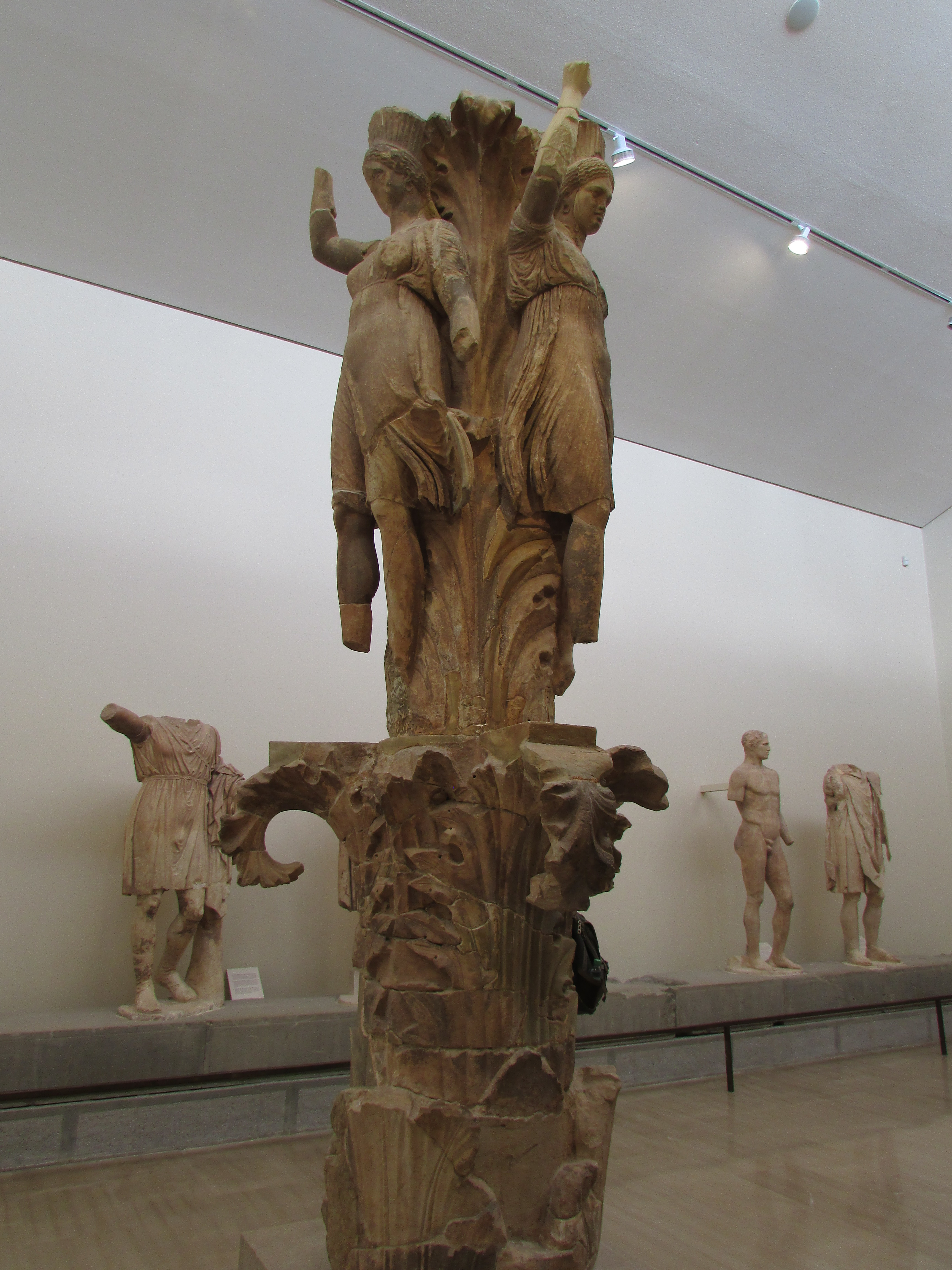
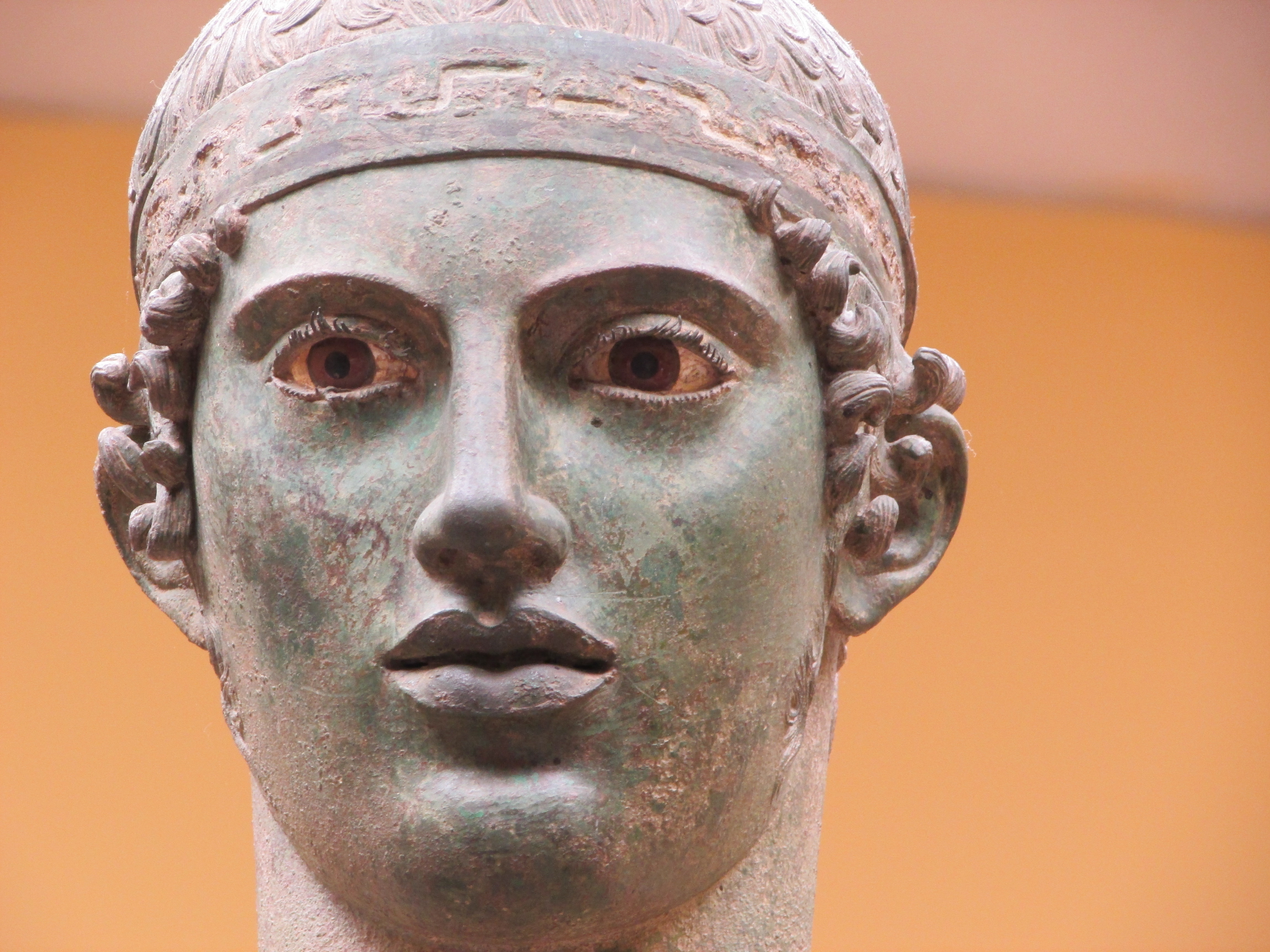
Next on the list was a visit to Delphi to see the oracle and see the great Temple of Apollo. They have an amazing museum, but what I will remember most about this stop was the amazing tour guide. She was full of great stories, but felt that it was her responsibility to talk to us about the balance between tourism and being able to see the history and preservation.  She wanted us to think about what we were seeing and at what cost. She also wanted us to make up our own mind about what were seeing, and what we believed in terms of the myths and legends surrounding the place. She was so full of enthusiasm and love for her job that even though I remember very little of the history she gave us, I will do some more reading about the place.

IMG_2017IMG_2022IMG_2024IMG_2026IMG_2037

Our last stop in Greece was to a town called Thessaloniki. It is the second largest city in Greece, and the capital of Greek Macedonia. Apparently it is a nice place.

For me, it is a hellhole.

We hit a lot of traffic and got to the town late at night. The bus had some trouble navigating the streets because people double parked and generally didn’t care, and the hotel that we stayed at was cot beds in small offices (or at least, that is how it seemed to me). I don’t remember anything that I saw in the town, and I am not that upset about it. I was a bit of a grump in that overnight spot.

I loved my little wander through Greece and can’t wait to go back and visit the islands and swim in the warm clear water.


The Scamp in Budapest: Day 2

I am in love with this city. It may be cold (in fact, it snowed while I was out and about walking around), but I love wandering around, being surrounded by history and culture. I set out today with my trusty guide book and really warm gloves to see the Buda side of the city.

I started the day by crossing the Szechnyi Chain Bridge. This was the fist bridge built to connect Buda to Pest, and is arguably the prettiest bridge across the Danube. Even better? It was built by a Scotsman.

img_1532

Once I crossed the bridge, I took the famous funicular to Buda Castle. It was built in the 1860s but destroyed during WWII and then restored in 1986.

IMG_1533.JPG

Once at the top, I headed to the Hapsburg Steps. It was one of the entrances to the castle built in 1903.

img_1527

I wandered around the castle grounds for a bit, saw where the current government is housed and then moved on through the city. It took me to a place that was recommended to me by a friend when I first booked my trip: Labyrinth in the Castle District.

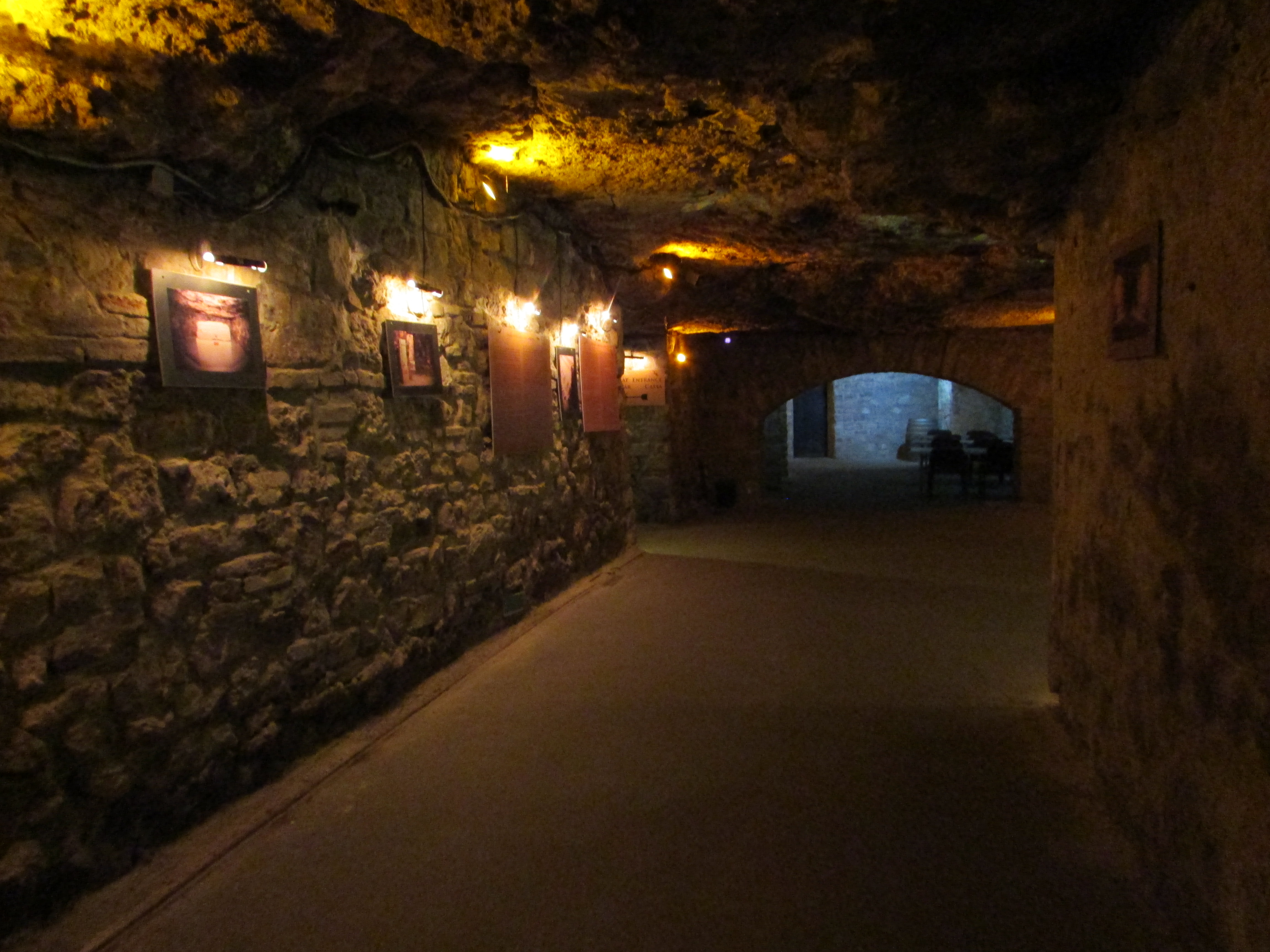
This place is terrifying. The cave is said to be half a million years old and was once a bunch of different chambers that have since been connected. They have been used as wine cellars, prisons, torture chambers, and host to masked balls and all sorts of other sinful activities. It also holds the famous Dracula Chamber where King Matthias had him brought after capturing him in Transylvania.  That was a scary chamber, half concealed in the dark and lit by blue lights that put a scary look about the place. I was the only one down there for most of my wander, and there were a few times where I was a bit scared to go through to the next section because it was dark and creepy (and I was listening to My Favourite Murderer). I made it through though and feel a bit braver for it.

img_1457img_1472

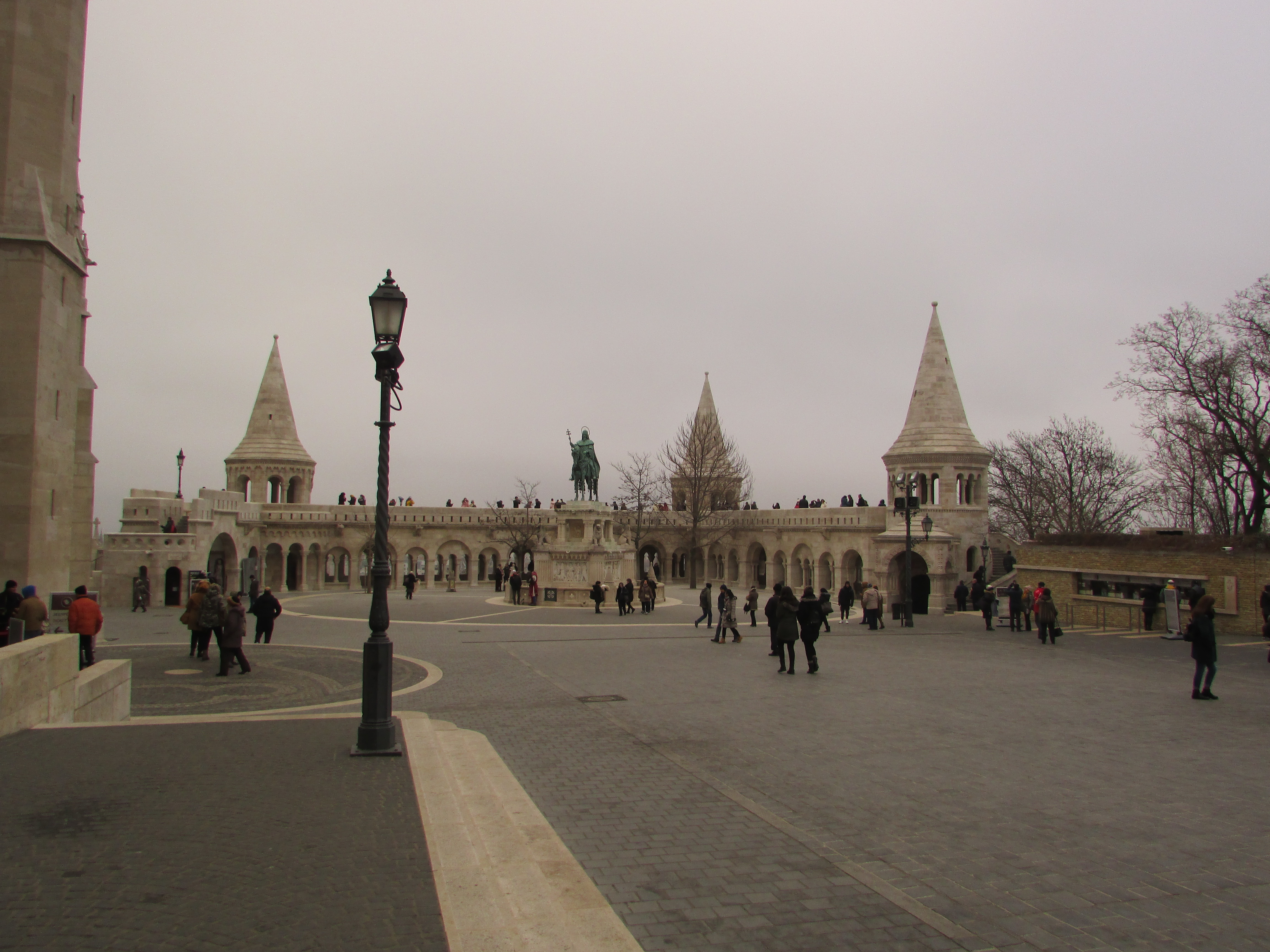
From there I continued my wandering up to the Fisherman’s Bastion. It  was built as a viewing platform in 1905 by Frigyes Schulek, the architect behind Matthias Church. Its name was taken from the medieval guild of fishermen responsible for defending this stretch of the castle wall. It started to snow while I was wandering around, but that did not make the views any less beautiful. I’m a little sad that the day was a bit foggy so I missed on some of the views, but well worth the trip. img_1487img_1507

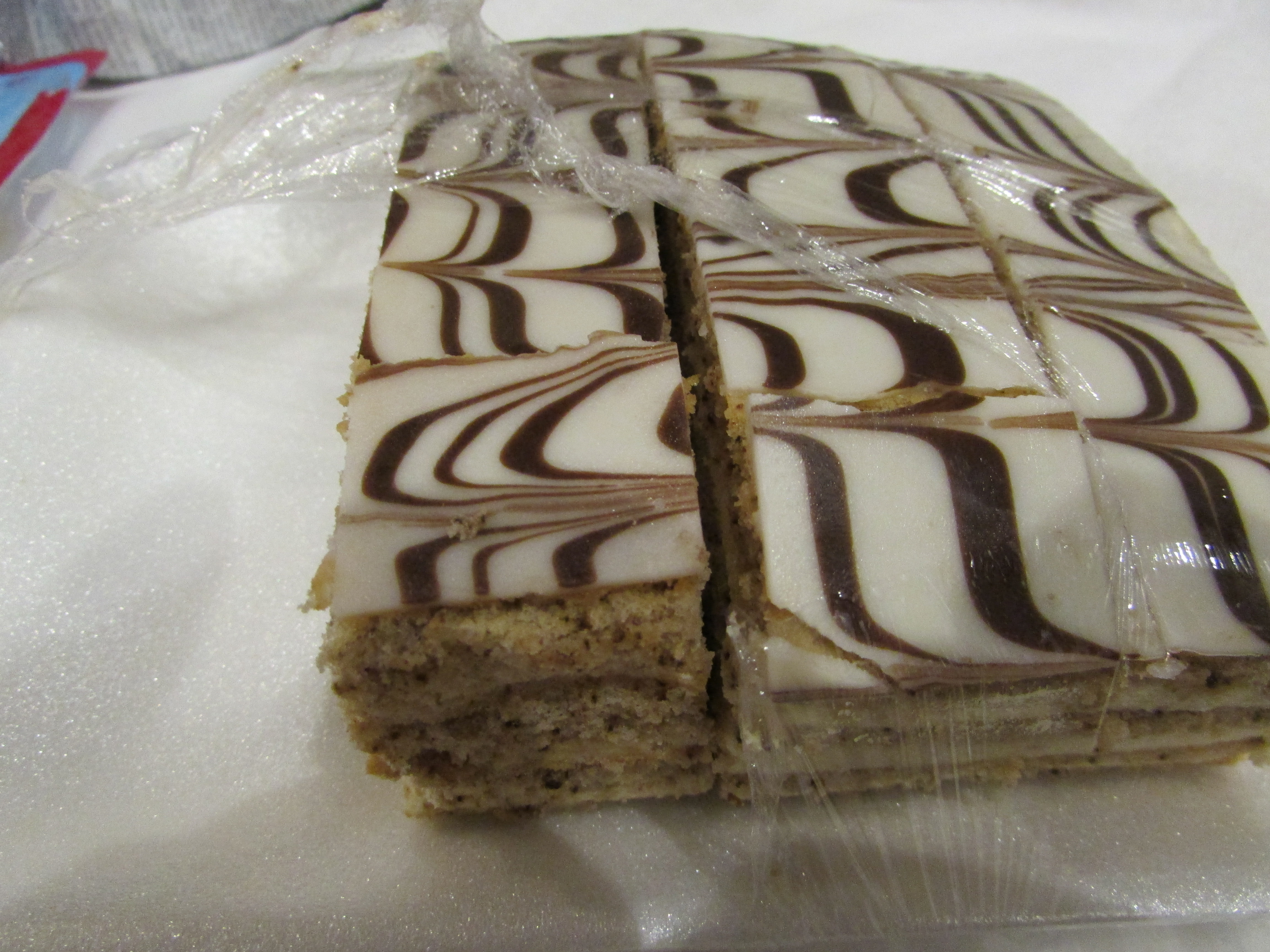
After a quick visit inside the church to warm up, I moved to the Gates of Vienna and the edge of the boundary for the Castle District. I wandered down the colourful streets and in and out of some more Christmas markets. I passed the controversial Hilton Hotel. It has part of a Jesuit College and an old Dominican Church as part of its property. It is a bit odd to see. I wandered back down to where I am staying and found some nourishment in the form of cake. Yummy Hungarian cake. It is amazing. Wonderfully light and tasty. I waddled to my room afterwards and have been laying in bed in a slight cake coma ever since.

img_1510-copyimg_1529-copyimg_1539-copy

Tomorrow is the first night of Hanukkah, so I feel like it is a good day to wander through the Jewish Quarter and see the Great Synagogue….which is a quick five minute walk from my hotel.

The Scamp in Budapest: Day 1

So here’s the thing about me: I am a gypsy soul. I am the most alive when I am traveling. I’d rather collect stamps in my passport than do most anything else. When I am in the dark and twisty I like to plan trips, and sometimes I actually spend the money and go on these trips. I went to Malta in August, Paris in November, I’m currently in Budapest. This summer I will trek through the Balkans with my hetero life-mate. I love Scotland. It’s my home. It will always be my home, but man oh man do I get itchy and need to see other parts of the world…and run away from my problems. I have a paper that needs to go through some major revisions. I am still a bit upset about my relationship busting up in a spectacular fashion. I’m in the middle of a health mystery. I have a draft chapter due at the end of the month and because I don’t have the balls to tell my supervisors that I feel really disrespected in the office, I haven’t been going in to work.

But, it is almost Christmas so I am sitting in a lovely hotel in the centre of the Jewish Quarter and enjoying being in a place that is both a city and country (didn’t know that until today). I booked this trip months ago because I could not face the idea of being at home alone on Christmas. If I couldn’t be in California, I did not want to be in my flat where I spend way too much time alone. I have internet, gps on my phone and a thirst for adventure, so I think the next five days will be just what I need to recharge. I promised my mother I would be in by sundown, so I can get plenty of work done in the afternoon.

I got here early in the afternoon so I started my trip with a jaunt to the Basilica of St Stephen and the Christmas market set up in front of it. The Basilica is beautiful in a dark and gloomy sort of way. It is named for the first king of Hungary. Fun fact: the ‘incorruptible’ right hand of King Stephen is on display in the Church for all to see. I’m not sure how I feel about this, but the people here see it as a rare and wonderful gift. It was stolen during the second world war, but they were able to get it back.

img_1407

After the Basilica, I decided to take a stroll along the Danube to the monument dedicated to the Hungarian Jews that were stripped, shot, and dumped into the river. The memorial is 60 pairs of vintage shoes sort of scattered along the bank. The shoes are all sizes and styles to show that there was not just one type of person affect by the war.

img_1413

It made me sad to see people posing with the shoes and taking selfies, but I have to say, it is really nice to be in a country with such a large Jewish population. There are memorials all around the city and many temples to visit. I have a whole day in the Jewish Quarter planned.

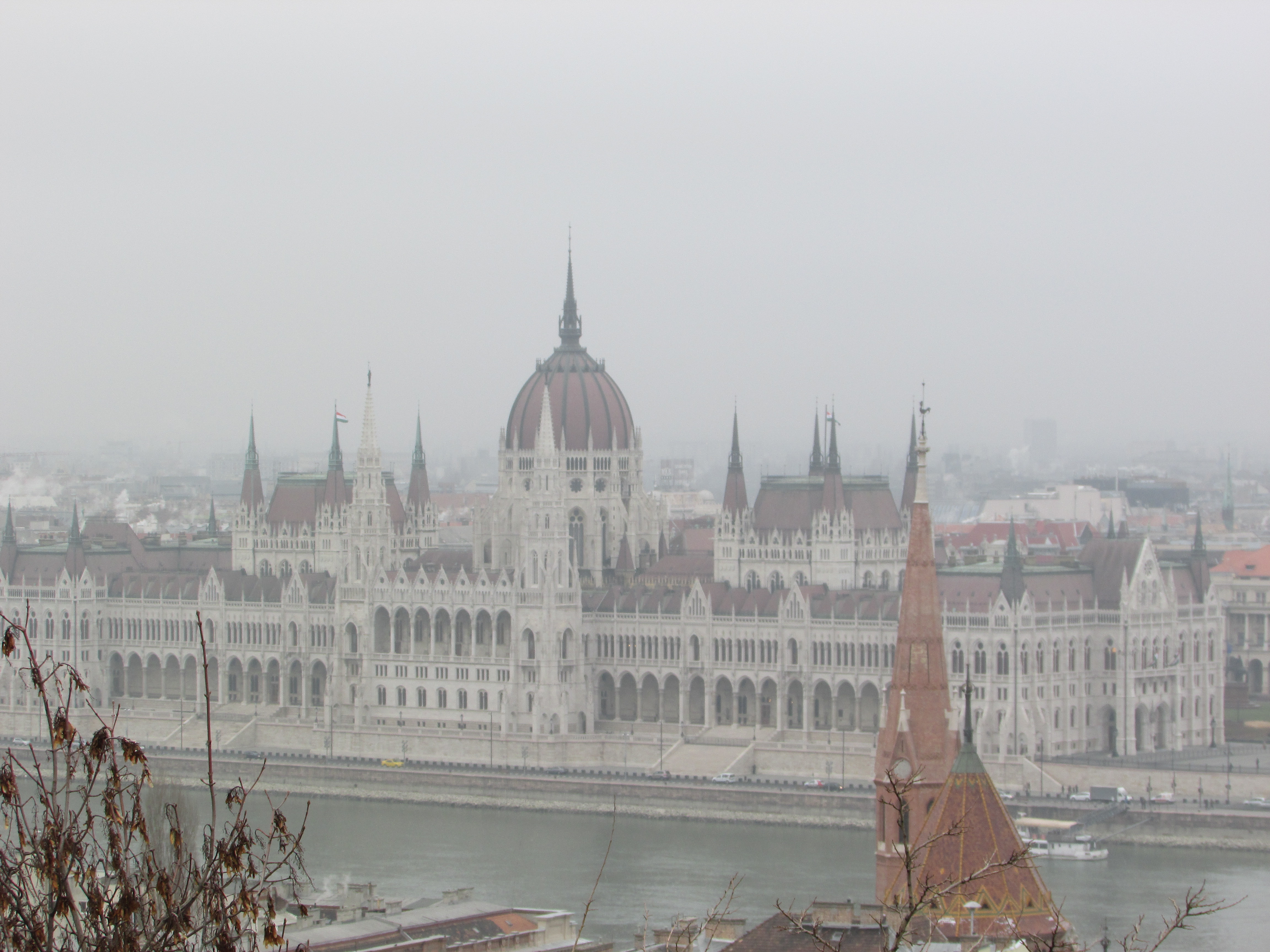
I wandered around the outside of the Parliament, and sorta wish I had gone inside. I was tired and cold and ended up walking back toward my hotel in search of a hot meal and a comfy chair. I have to say though, this city is really easy to get around, very pedestrian friendly, and so far has been very welcoming and lovely. I’m looking forward to what the next few days has to offer. I’m here on my own, but so far today I have not felt the least bit lonely. Only once did I wish someone was with my in Liberty Square so I could take a goofy picture with the Ronald Reagan statue.