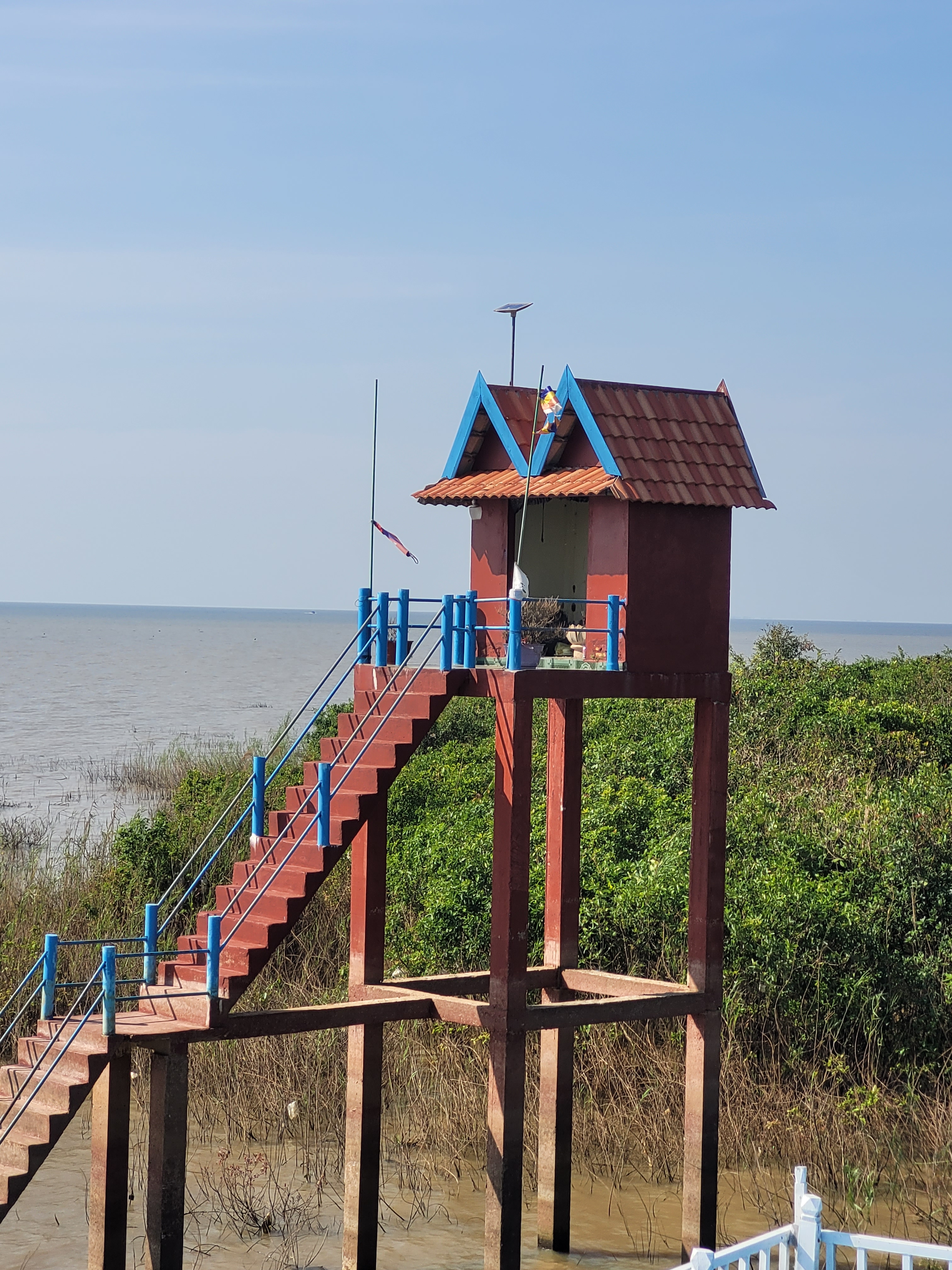
After my incredible day at Angkor Wat, I travelled about 10 kilometres south of Siem Reap to the floating village of Chong Khneas.
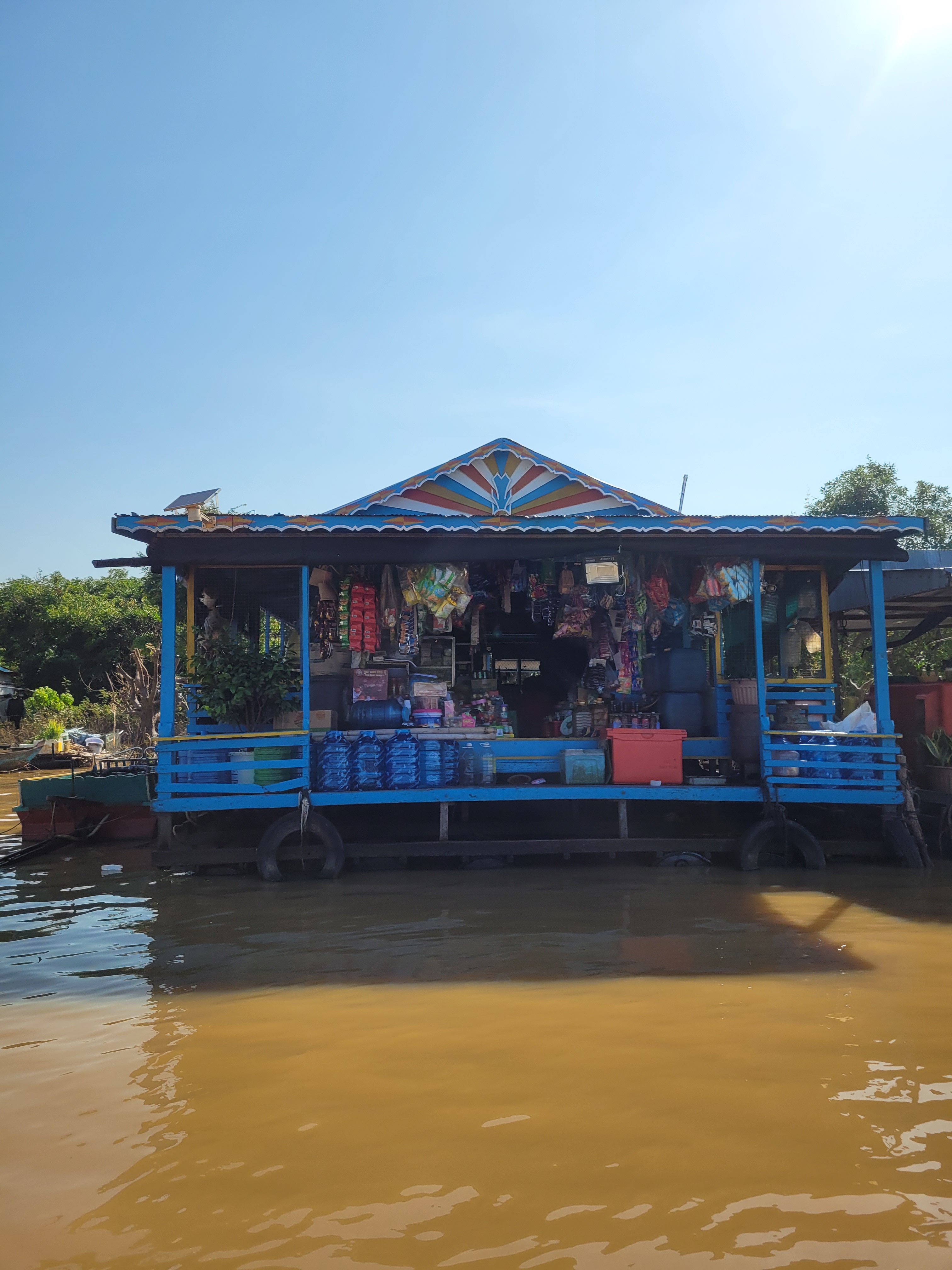
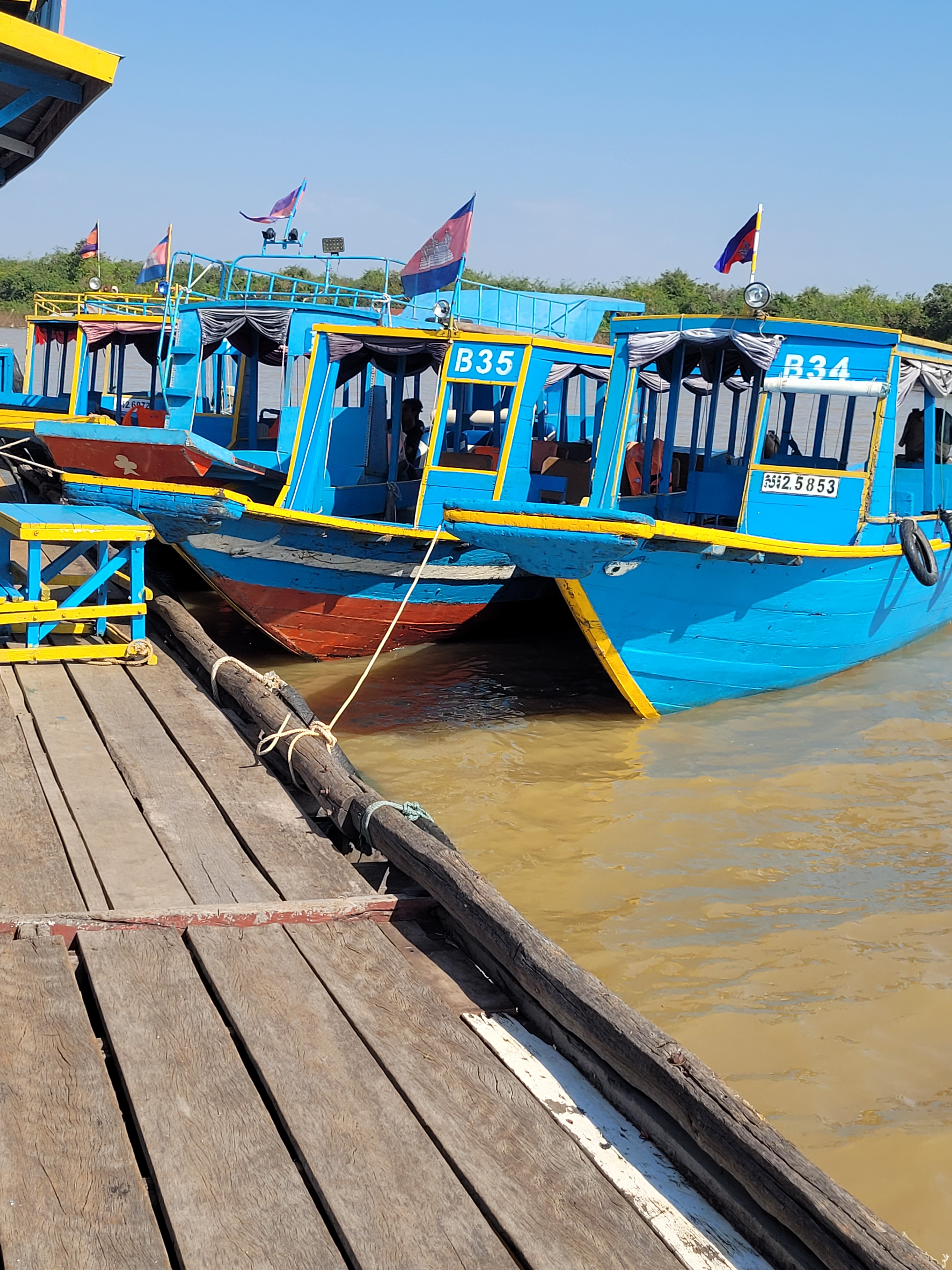
My guide and I got into a wooden boat and sailed on the Tonle Sap Lake (also known as the ‘Great Lake of Cambodia’). The boat ride was a lot of fun, we zipped through the murky lake to the floating village and stopped at a few of the traditional floating markets. They had everything from alligators to handmade gifts for sale. The last place we stopped had kids flying a kite from the roof of their floating house. They really tried hard to photobomb my selfies, which made me laugh as I love a good photobomb.
The kids did let me take their photo though so I could remember how funny and carefree they were on their floating house.
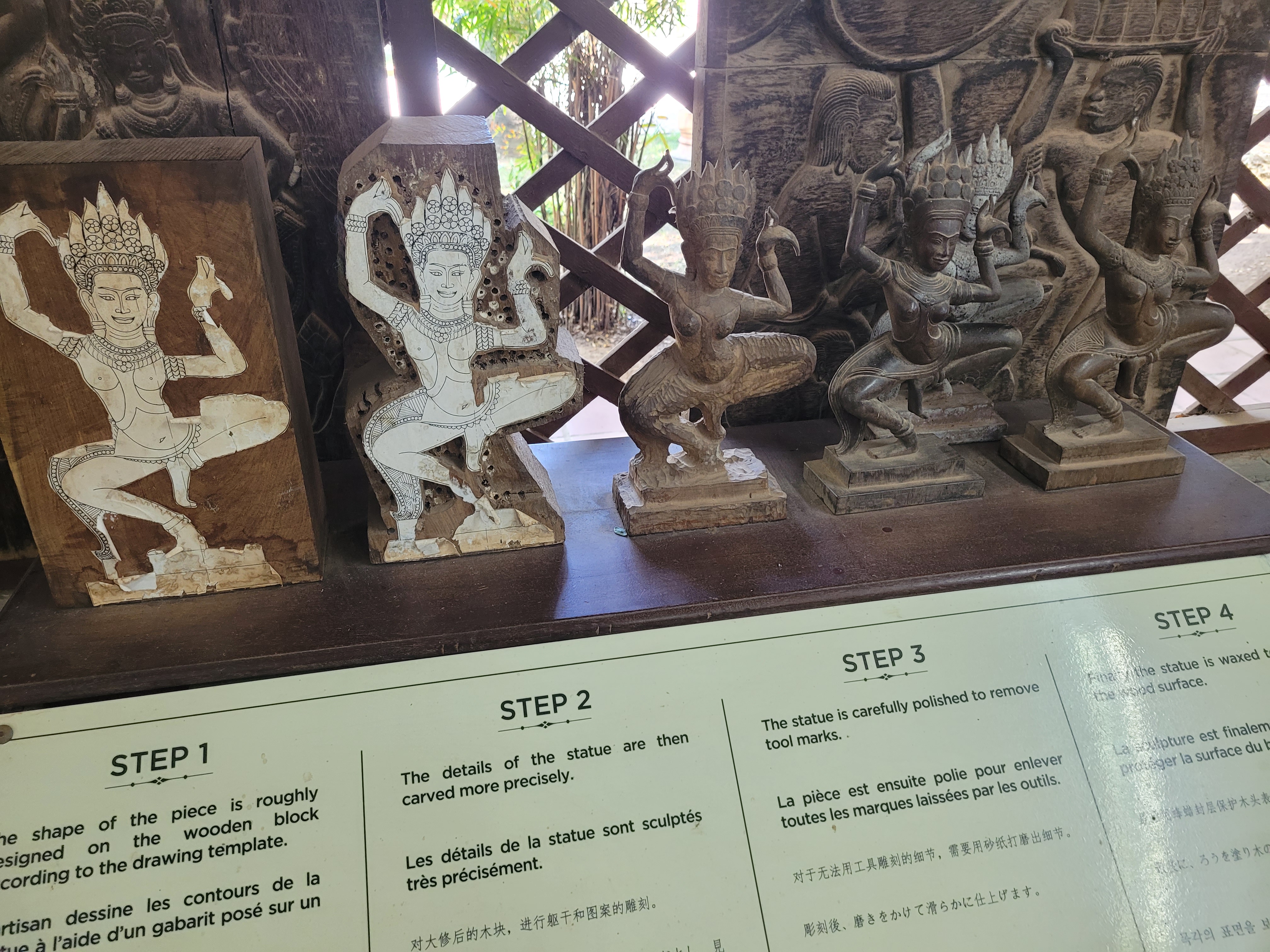
The last stop during my short time in Cambodia was the only super touristy thing that I did. I toured Chantiers Ecoles-Les Artisans d’Angkor. This is a Cambodian social business that was started in the early 90s. The goal of the business started as a way to preserve Khmer culture and provide jobs for people close to their villages. Now it is a way for people in rural communities with limited access to education to have a chance to learn skills and earn a living wage in safer working conditions. They currently employ 1100 people and specialise in silk fabrics, wood and stone carving, and polychrome products. While I usually find things like this hard to do, I did buy a very pretty necklace and a beautifully carved elephant that now sits next to my bed.
My time in Cambodia was very brief, just a couple of days, and while I was able to see the one thing that I hoped to see while there, I would go back to see more of the country. Like with my time in Vietnam, I barely scratched the surface of what the country had to offer.
I then hopped onto my fourth internal flight, and seventh overall flight of the journey to head to Bangkok for the next part of my adventure.
While my time in Vietnam was short, my time in Cambodia was shorter. On December 26th I took a short flight from Ho Chi Minh City to Siem Reap.
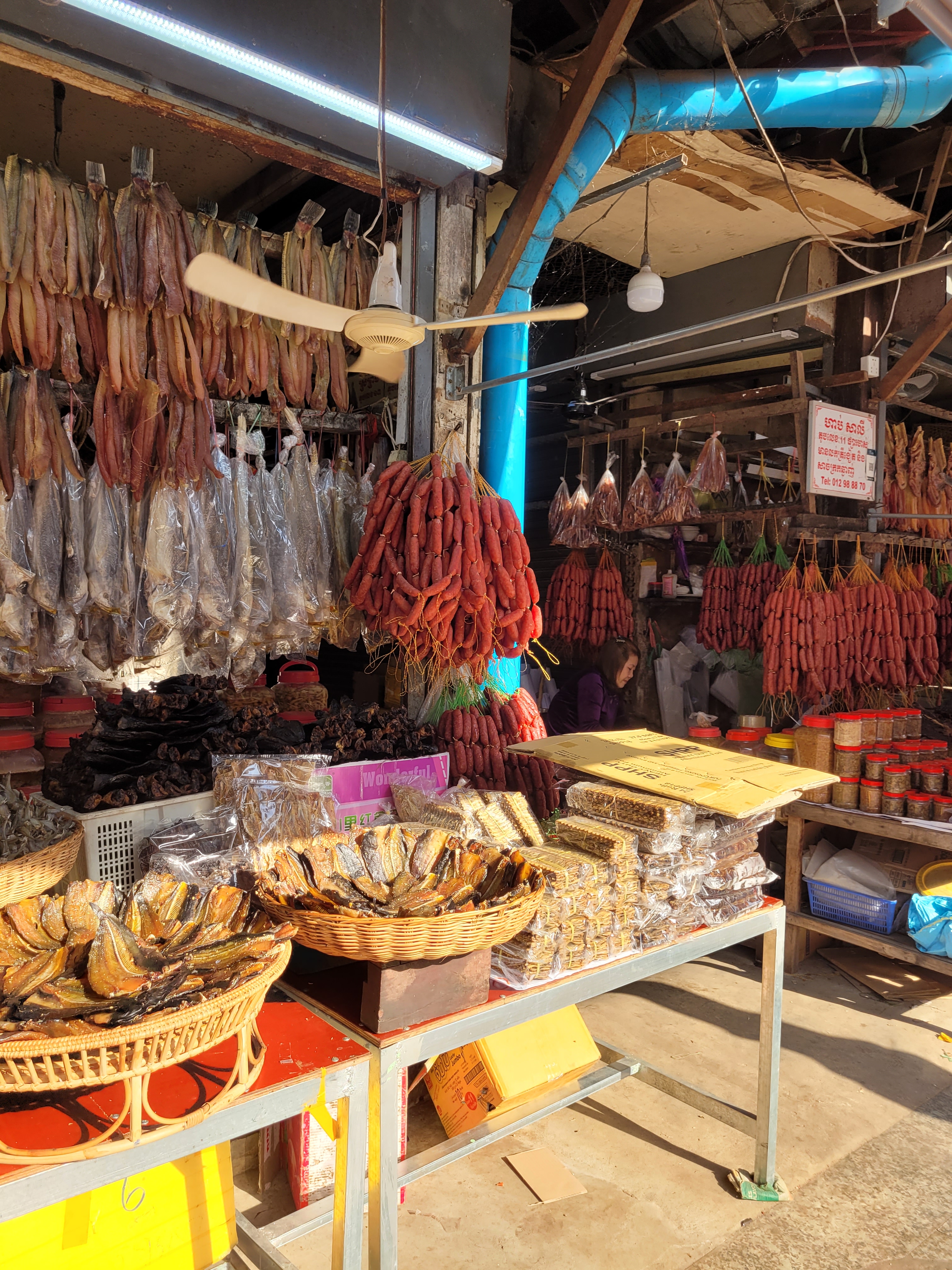
Siem Reap is the second largest city in Cambodia and is known for its proximity to Angkor Wat. I got there in the afternoon and was greeted at the airport by my private guide and driver. They took me to the Hari Residence, a luxury spa and resort just a short walk from the main market. I spent some time relaxing by the pool and wandered to the market. In true Kim fashion, I got a bit lost on the way to the market, but it let me see a bit of the city that was off the tourist path.
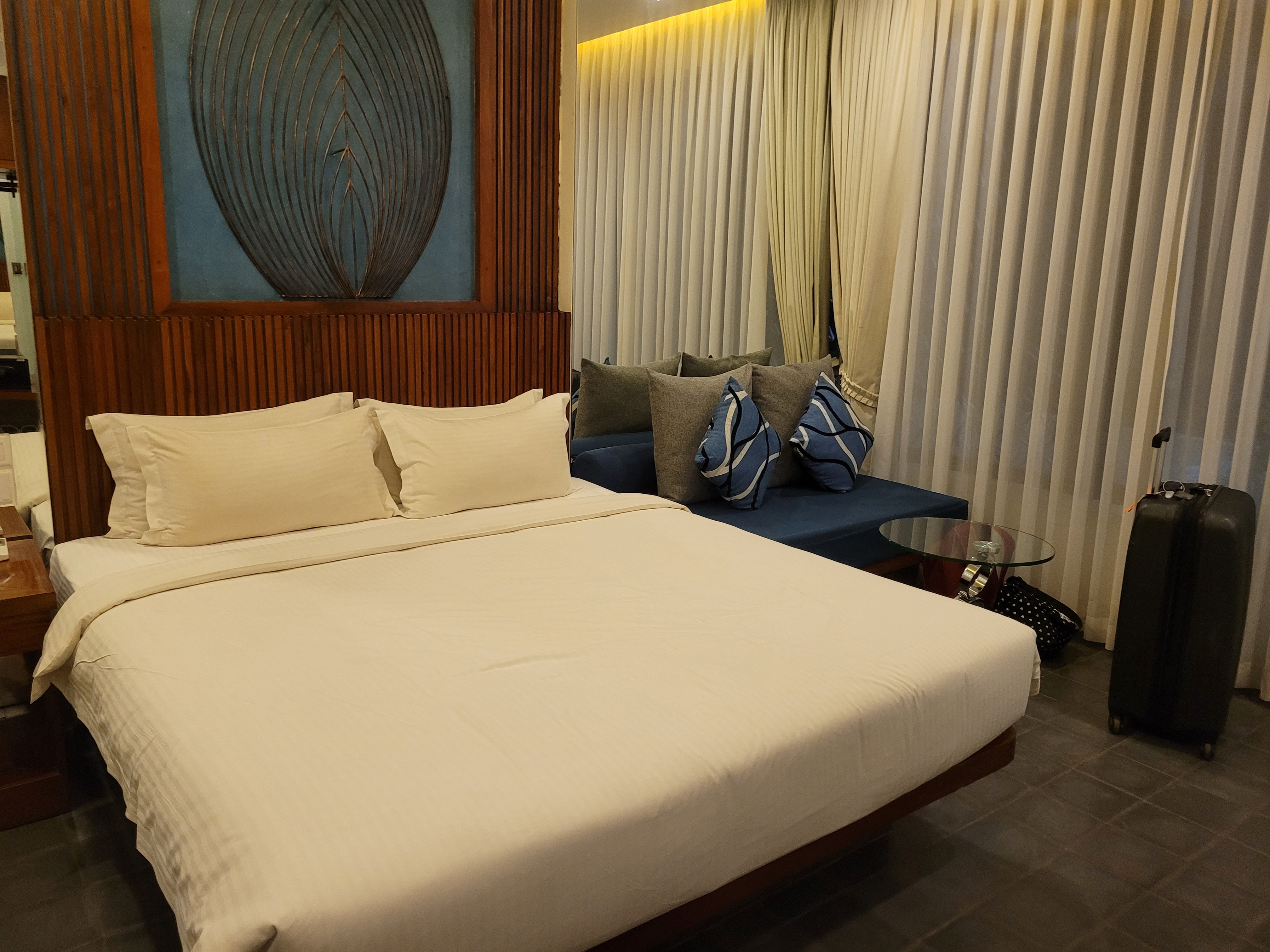
The hotel room was super luxurious and had the best bathtub I’ve ever seen. The room service was amazing and the food was perfection. Cambodia was the part of the trip that I was most looking forward to. I really wanted to visit Angkor Wat, and when I was looking on Tour Radar for trips to this part of the world, the visit to Angkor Wat was part of what sold me on the booking.
After the best bath and a good night’s sleep in a massive comfy bed, my guide picked me up for a day at the Angkor complex. The day started off a bit rocky because my phone was not fully charged, which meant that my phone and my mini charger were not fully charged. I was a bit panicked that I wouldn’t be able to get as many photos as I wanted, but by some miracle, my phone lasted the whole day. And what a day it was.
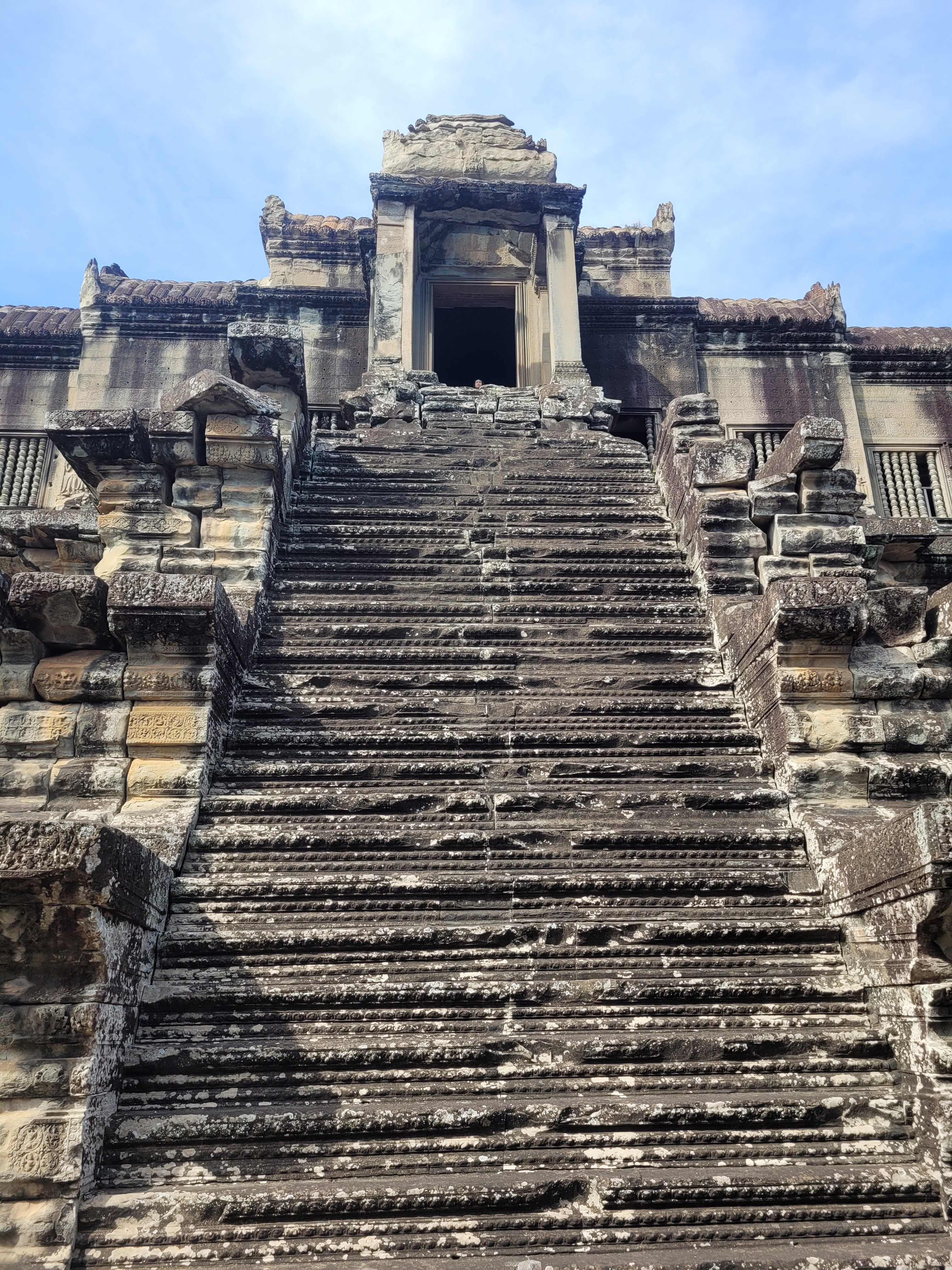
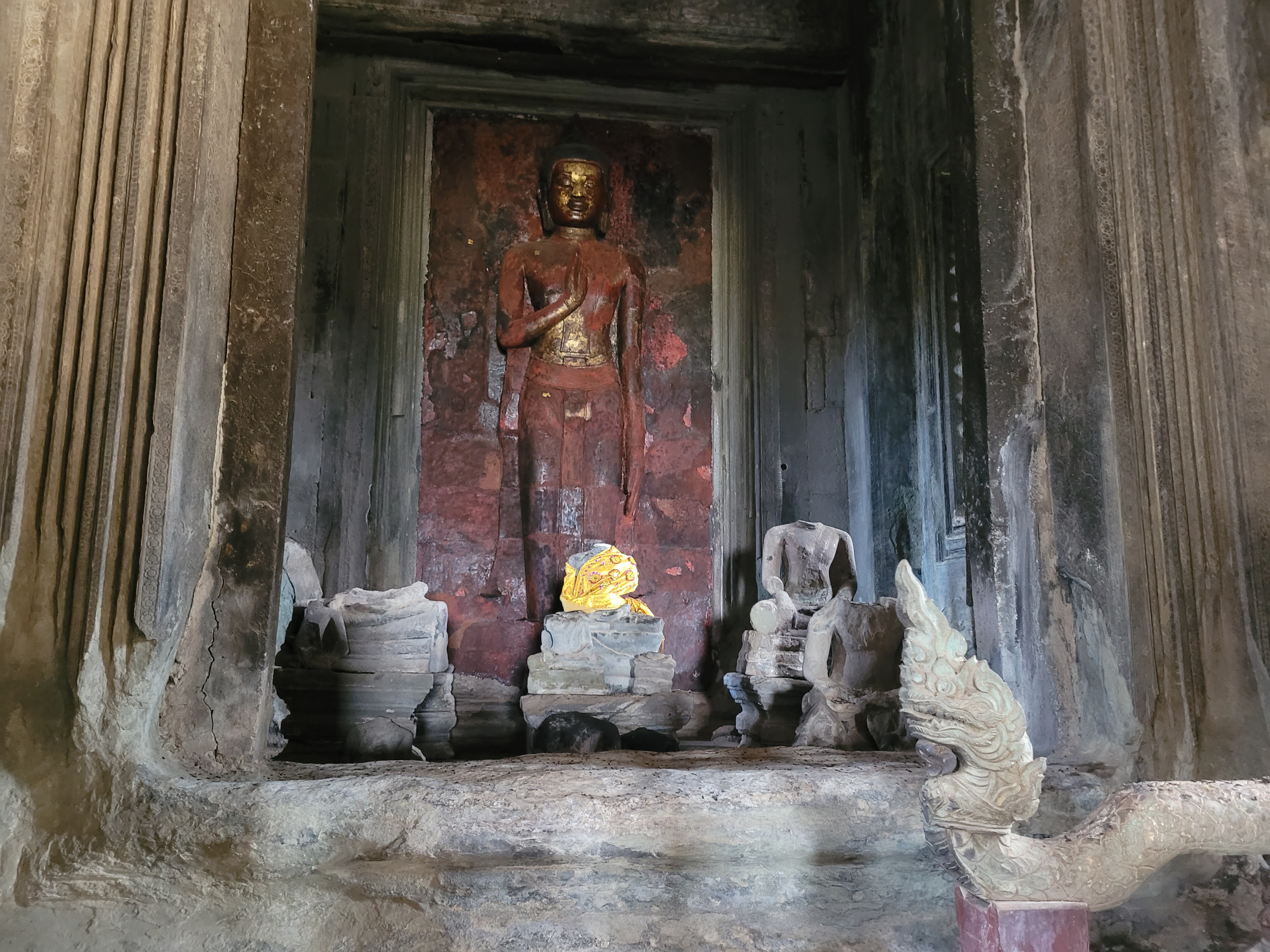
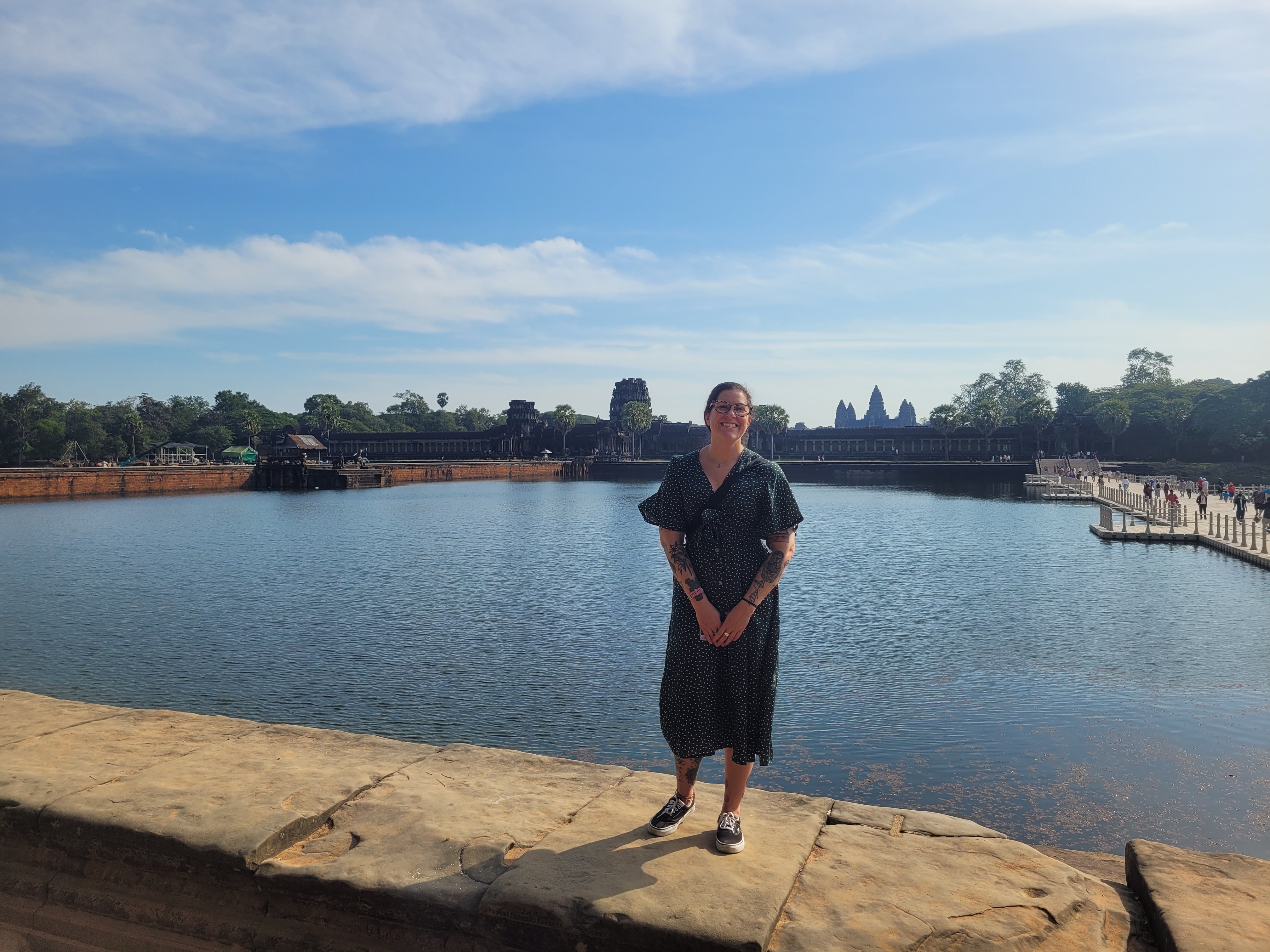
Angkor Wat is a Hindu-Buddist temple first built in 1150 and sits on over 400 acres. It is considered the largest religious structure in the world by the Guinness Book of World Records, and is on the official flag of Cambodia. The temple is a representation of Mount Meru, which is considered to be the centre of the spiritual and physical universe in the Hindu religion.
and I had a private tour. Yes, a private tour of the amazing structure. I wish I could remember the name of my guide. He was a soft-spoken man in his 40s who had been in the army. He was tall and had a weathered look about him, like he’d spent his life in the harsh sun. He talked to me the whole time we were in the temple and he was an endless font of knowledge. I was enthralled as we walked past the walls of stories etched into them. The etchings are beautiful and there are so many things to look at as you move through the galleries. I wish I had taken better notes and written down some of the things that my guide said, but because I was so absorbed in just being there, a Wikipedia explanation of the decoration will have to do.
Integrated with the architecture of the building, one of the causes for its fame is Angkor Wat’s extensive decoration, which predominantly takes the form of bas-relief friezes. The inner walls of the outer gallery bear a series of large-scale scenes mainly depicting episodes from the Hindu epics the Ramayana and the Mahabharata. Higham has called these “the greatest known linear arrangement of stone carving”.[71] From the north-west corner anti-clockwise, the western gallery shows the Battle of Lanka from the Ramayana, in which Rama defeats Ravana; and the Kurukshetra War from the Mahabharata, depicting the mutual annihilation of the Kaurava and Pandava armies. On the southern gallery, the only historical scene, a procession of Suryavarman II is depicted along with the 32 hells and 37 heavens of Hinduism.[72]
On the eastern gallery is one of the most celebrated scenes, the Churning of the Sea of Milk, showing 92 asuras and 88 devas using the serpent Vasuki to churn the sea of milk under Vishnu’s direction. Mannikka counts only 91 asuras and explains the asymmetrical numbers as representing the number of days from the winter solstice to the spring equinox, and from the equinox to the summer solstice.[73] It is followed by reliefs showing Vishnu defeating asuras, which was a 16th-century addition. The northern gallery shows Krishna’s victory over Bana.[74]
Angkor Wat is decorated with depictions of apsaras and devatas with more than 1,796 documented depictions of devatas in the research inventory.[75] The architects also used small apsara images (30–40 cm or 12–16 in) as decorative motifs on pillars and walls. They incorporated larger devata images (full-body portraits measuring approximately 95–110 cm or 37–43 in) more prominently at every level of the temple from the entry pavilion to the tops of the high towers. In 1927, Sappho Marchal published a study cataloging the remarkable diversity of their hair, headdresses, garments, stance, jewellery, and decorative flowers depicted in the reliefs, which Marchal concluded were based on actual practices of the Angkor period.[76]
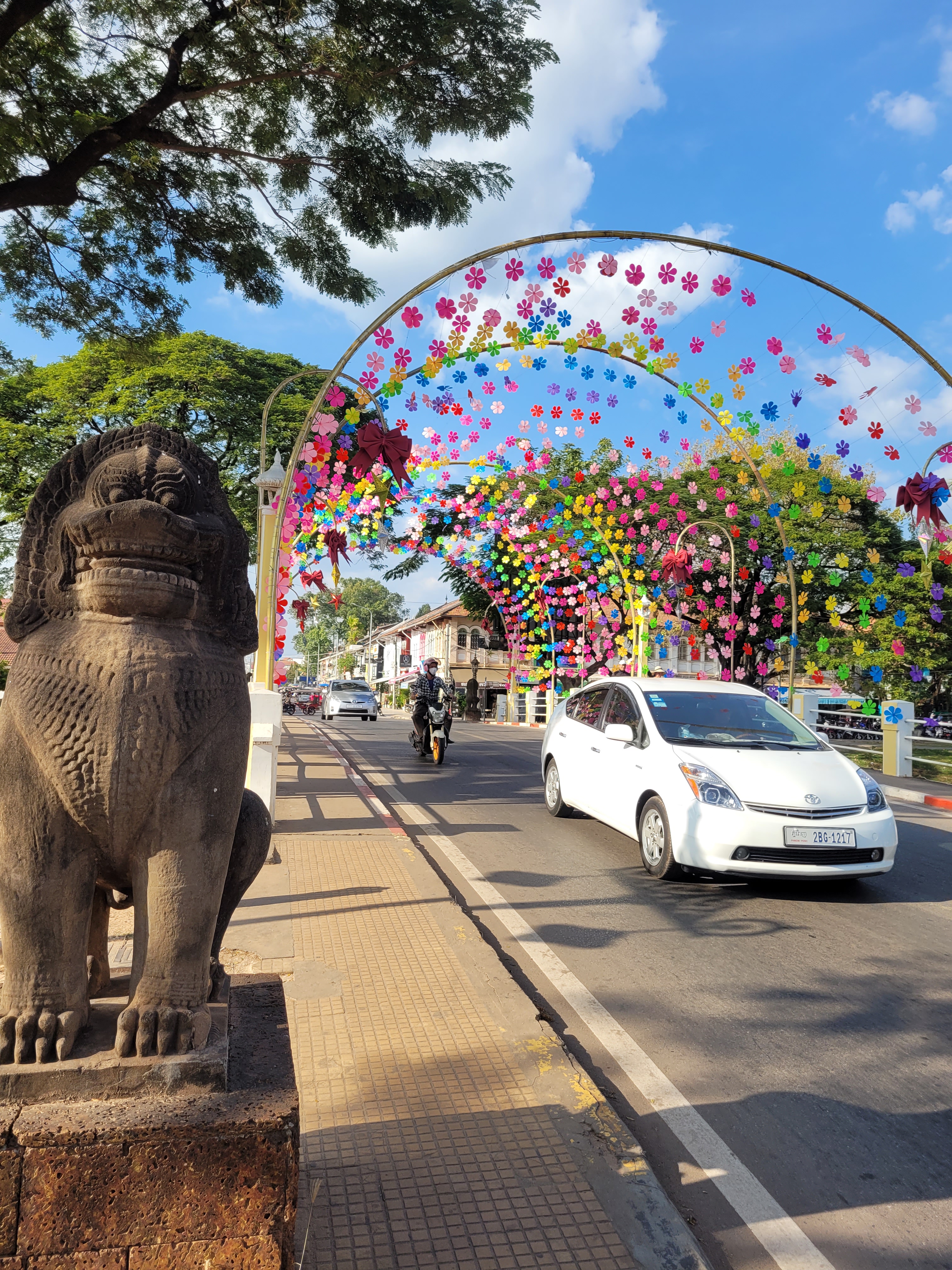
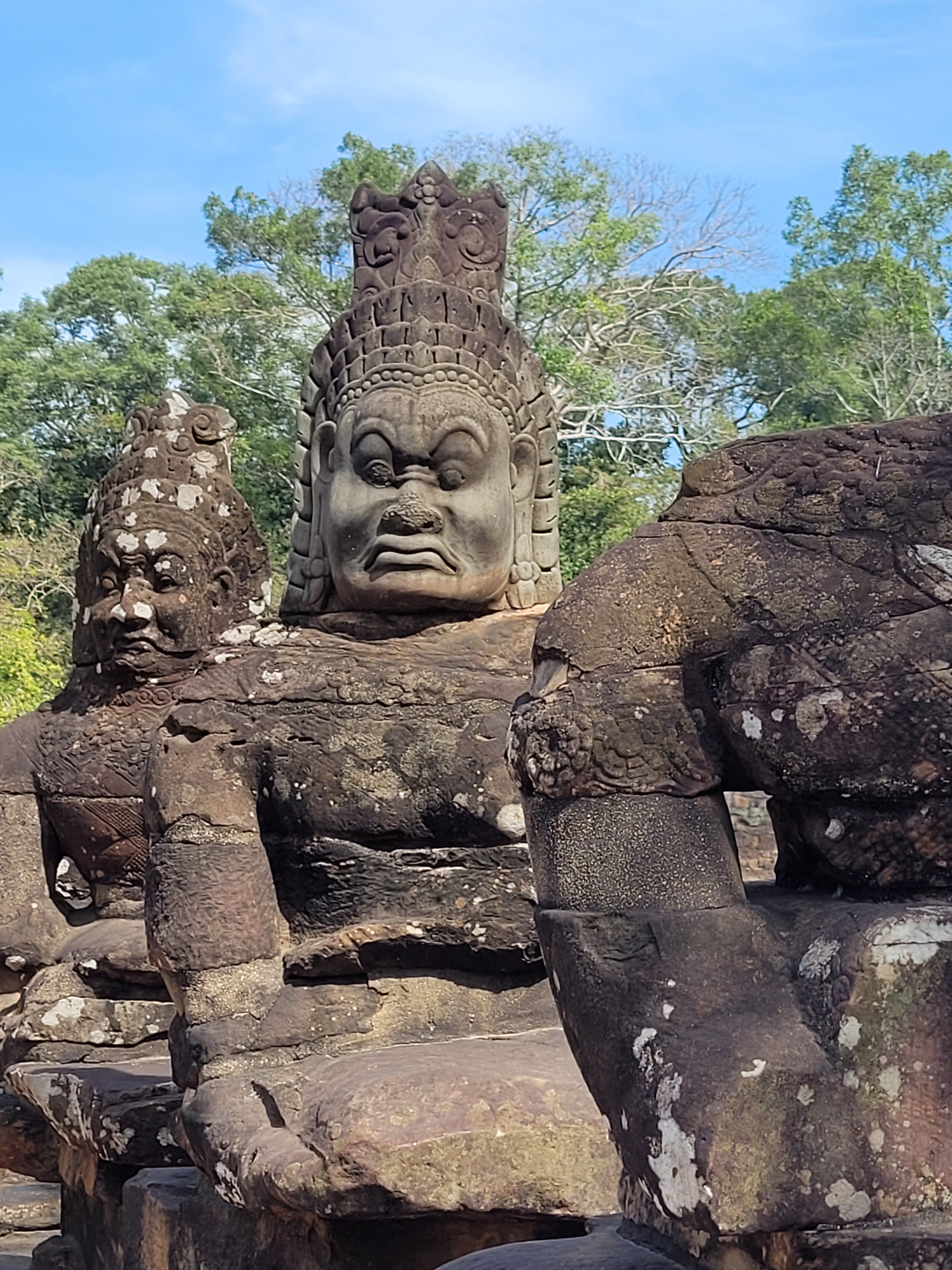
The next stop on the tour was Angkor Thom, which is famous for its series of colossal human faces carved in stone. The faces may be that of the king, or guards to protect the king, but it is a bit unclear. The street is lined with lions/warriors leading to the temples and they are really something to see up close.
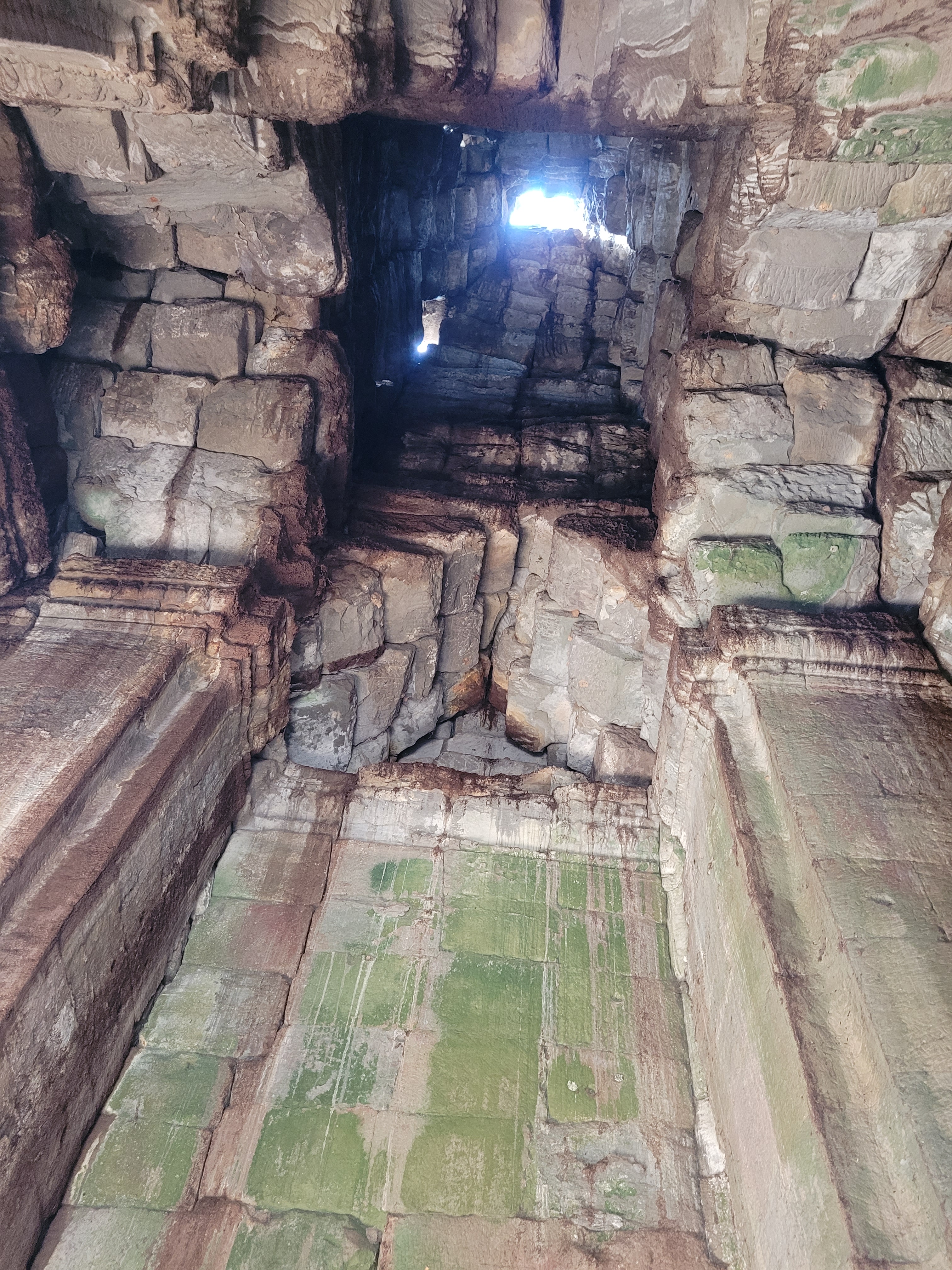
Little did I know that my guide saved the best for last. The jungle temple, or Beng Mealea is a hidden, lesser-known temple that has become part of the earth again. It was by far the best place I visited on this entire trip (minus the elephant sanctuary in Thailand which I’ll share later). This BBC travel article discusses the history of the temple.
For me, it was amazing to hear the birds and to walk among the ruins. My guide took lots of pictures of me and let me wander around on my own. I climbed to the top of one of the temples and tried not to die in the heat. By the end of the day I was a sweaty noodle and the happiest little scamp.
For those of you who are Tomb Raider fans, you will recognise this temple from the 2001 Angelina Jolie movie. My guide rolled his eyes when he told me that, which made me laugh for some reason. Clearly someone thought that fact should be included in the tour, and I am sure that there are people who enjoy that….I just wasn’t one of them.
I ended the day by the pool at the hotel and looked through the hundreds of photos that I took of the temples. It was everything that I hoped it would be, and cannot recommend it enough for anyone who loves history and wants to see a true wonder of the world.


















 The Scamp Abroad